
Trip summary by: Faith Rahman
Mittimatalik, Nunavut (March 13 – 27, 2026) & Iqaluit, Nunavut (April 27 – May 6, 2026)
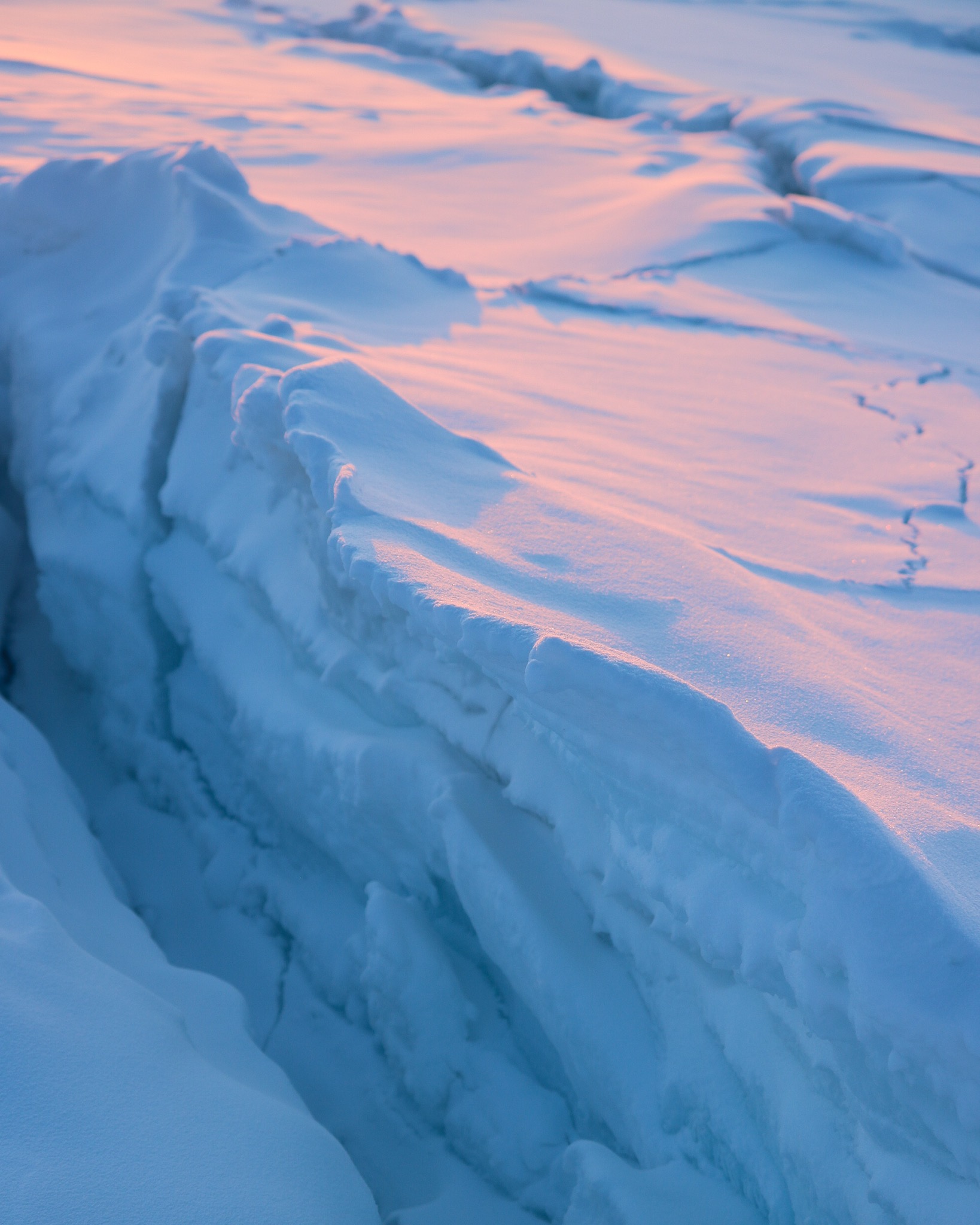
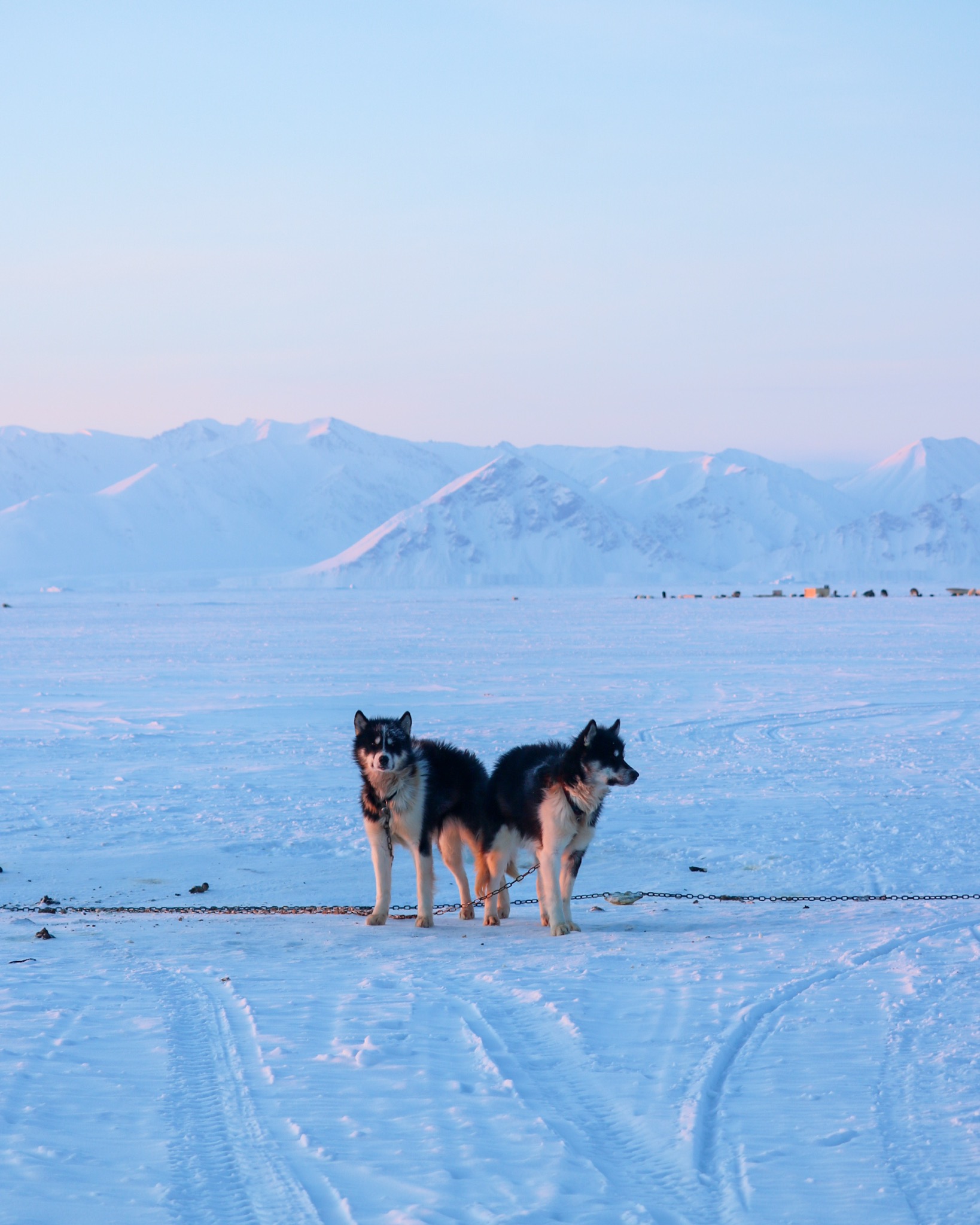
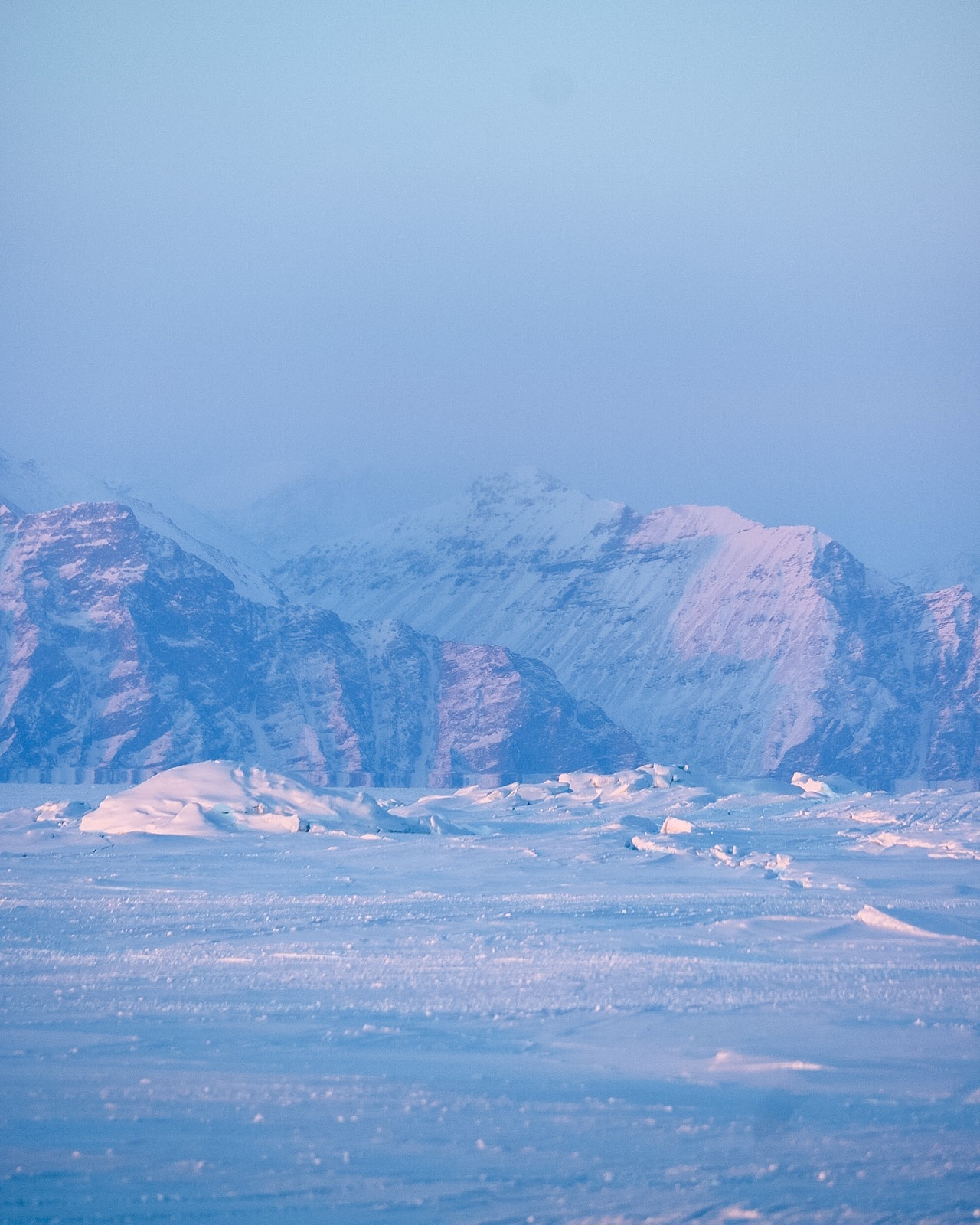
All photos by: Faith Rahman
(For more information on Faith’s research project, see her one-page summary of proposed ideas below.)
Purpose of Visit
This past spring, Faith Rahman (SUNTeam member & 2nd Year PhD Candidate) visited Mittimatalik (Pond Inlet), Nunavut for the first time in March, and Iqaluit for the third time in late April. The purpose of her two trips was to learn about sea ice mapping for community-based monitoring, understand local research priorities, and explore opportunities to support youth travel safety. It was also a time to share early research ideas and refine her research direction according to preliminary feedback. Her research contributes to the SUN Team’s Sustaining Northern Community-Based Monitoring project funded by Crown-Indigenous Relations and Northern Affairs Canada. Her travel was also supported by POLAR’s Northern Scientific Training Program.
Additionally, as a Regional Coordinator for Nunavut with SOI (Students on Ice) Foundation’s Blue Future Pathways (BFP) program, Faith visited schools in Mittimatalik and Iqaluit to share about BFP programs. This outreach is intended to connect youth with education, training, mentorship, employment and funding opportunities in the Sustainable Blue Economy (ocean, freshwater, ice, water sectors). This was an important part of her year-long Mitacs Accelerate internship role with the BFP.
See the sections below for Faith’s overview of each of her two visits!
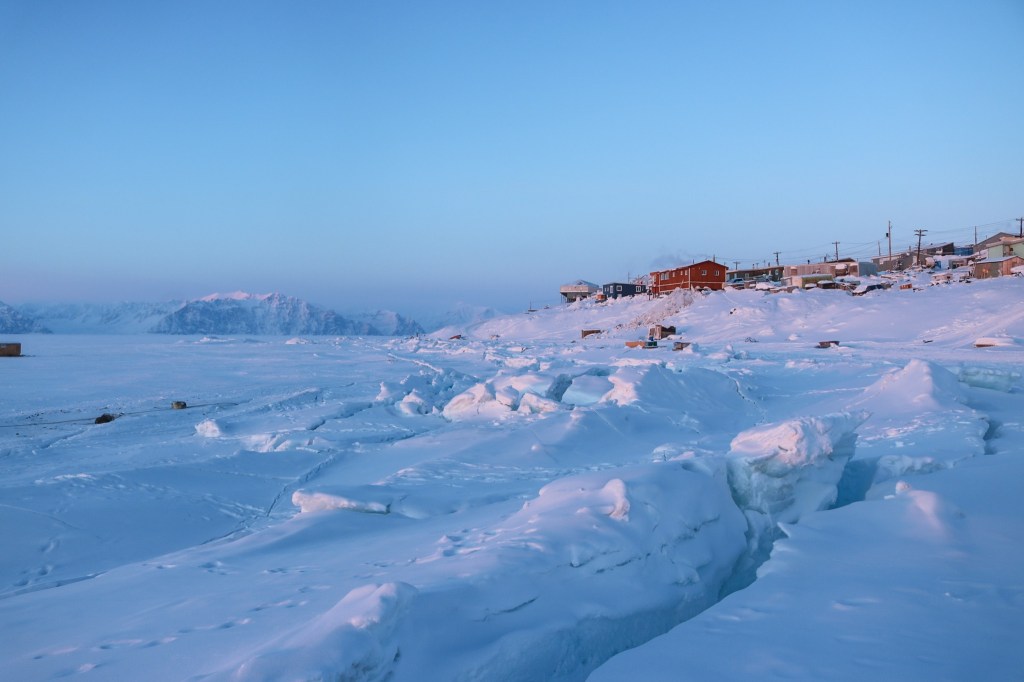
Mittimatalik (March 13-27, 2026)
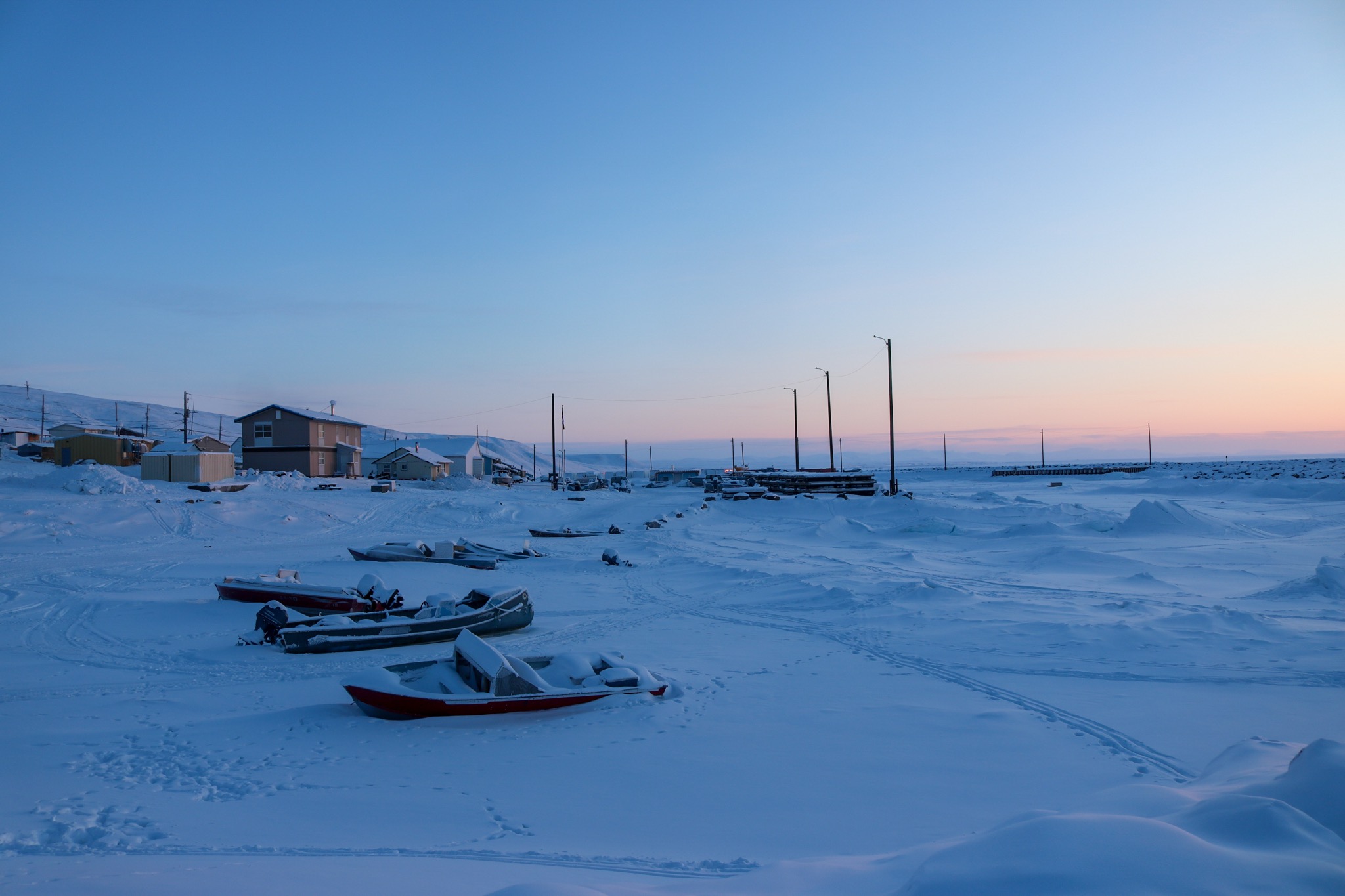
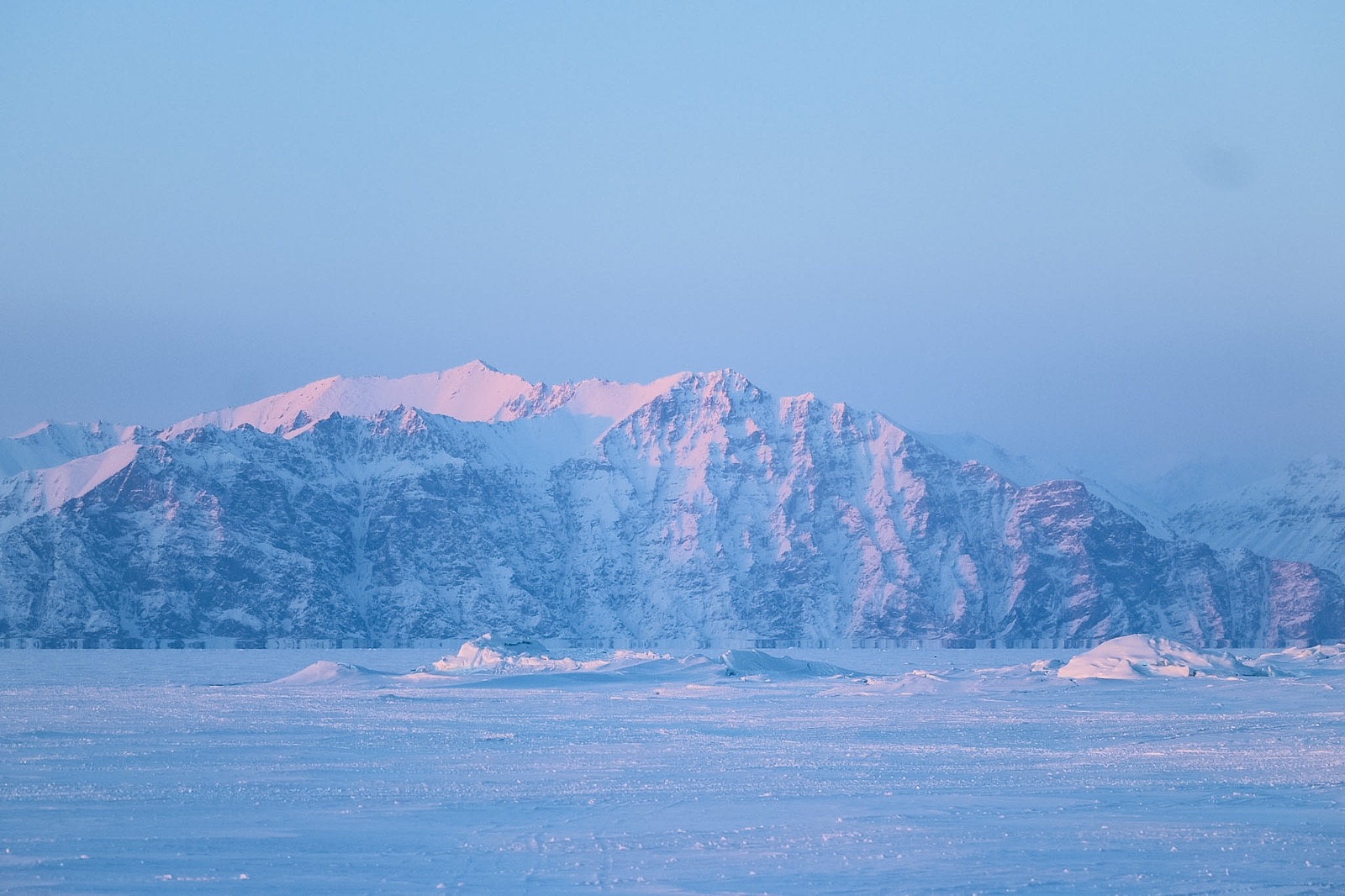
Mittimatalik was the first place I have ever been to in the Arctic Circle – a community I have wanted to visit ever since I read a natural history book about narwhals in high school. Major highlights included the views of the mountains and glaciers of Bylot Island and travelling on the sea ice by snowmobile for the first time!
Week 1: Learning about Sea Ice Mapping with SmartICE (March 13-18)
My first week in town, I joined SmartICE, a community-based work-integrated social enterprise, for their Remote Sensing Workshop, which was a part of their Sikumik Qaujimajjuti program. There, I had the opportunity to learn (alongside their staff) about how their Community Knowledge Coordinators and other team members create weekly sea ice maps using satellite imagery and their knowledge of the land for their home communities across Nunavut and Nunatsiavut. Every day, the team met at the Visitor’s Centre and the Environment and Climate Change Canada research station for the training workshop sessions led by experienced SmartICE staff.
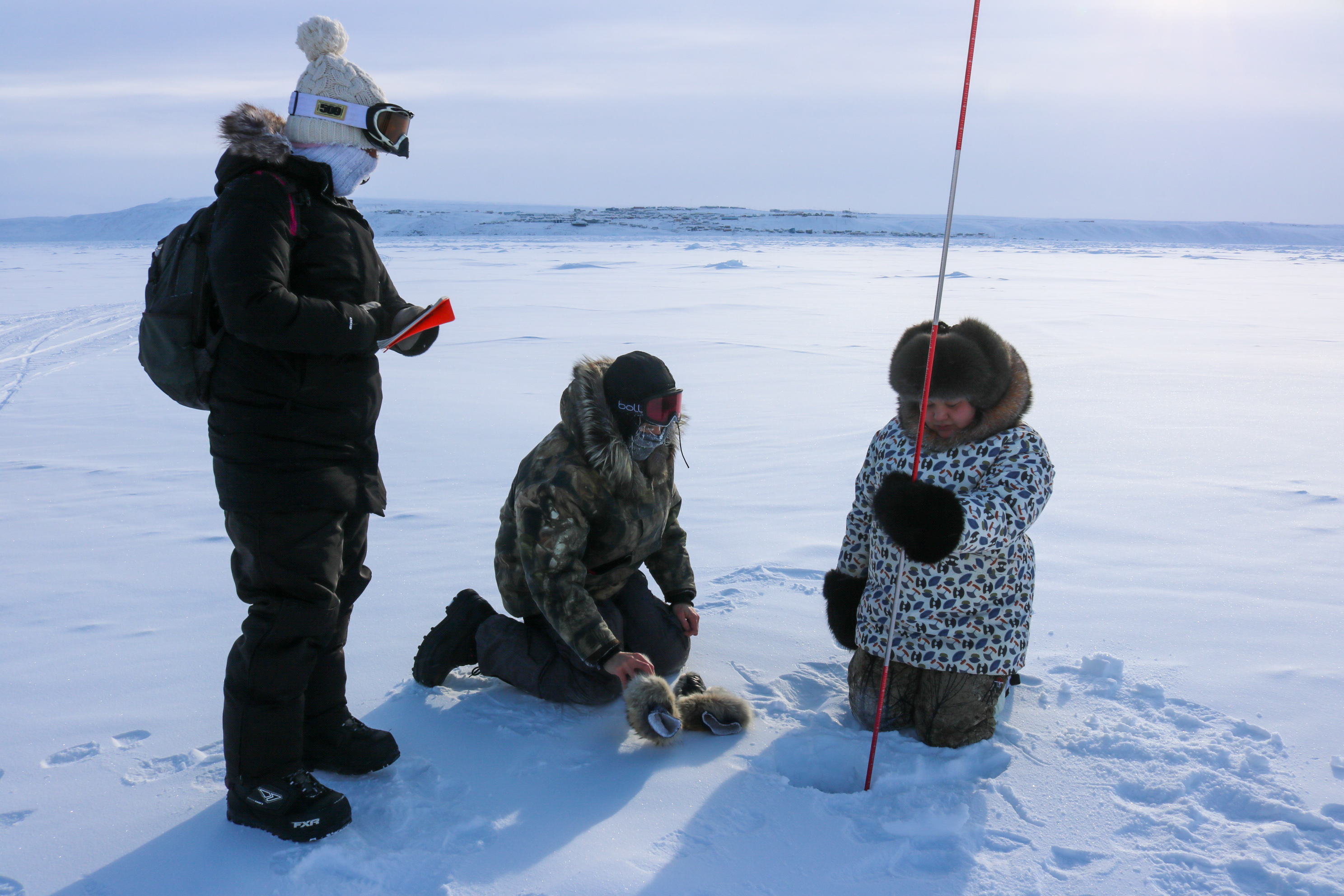
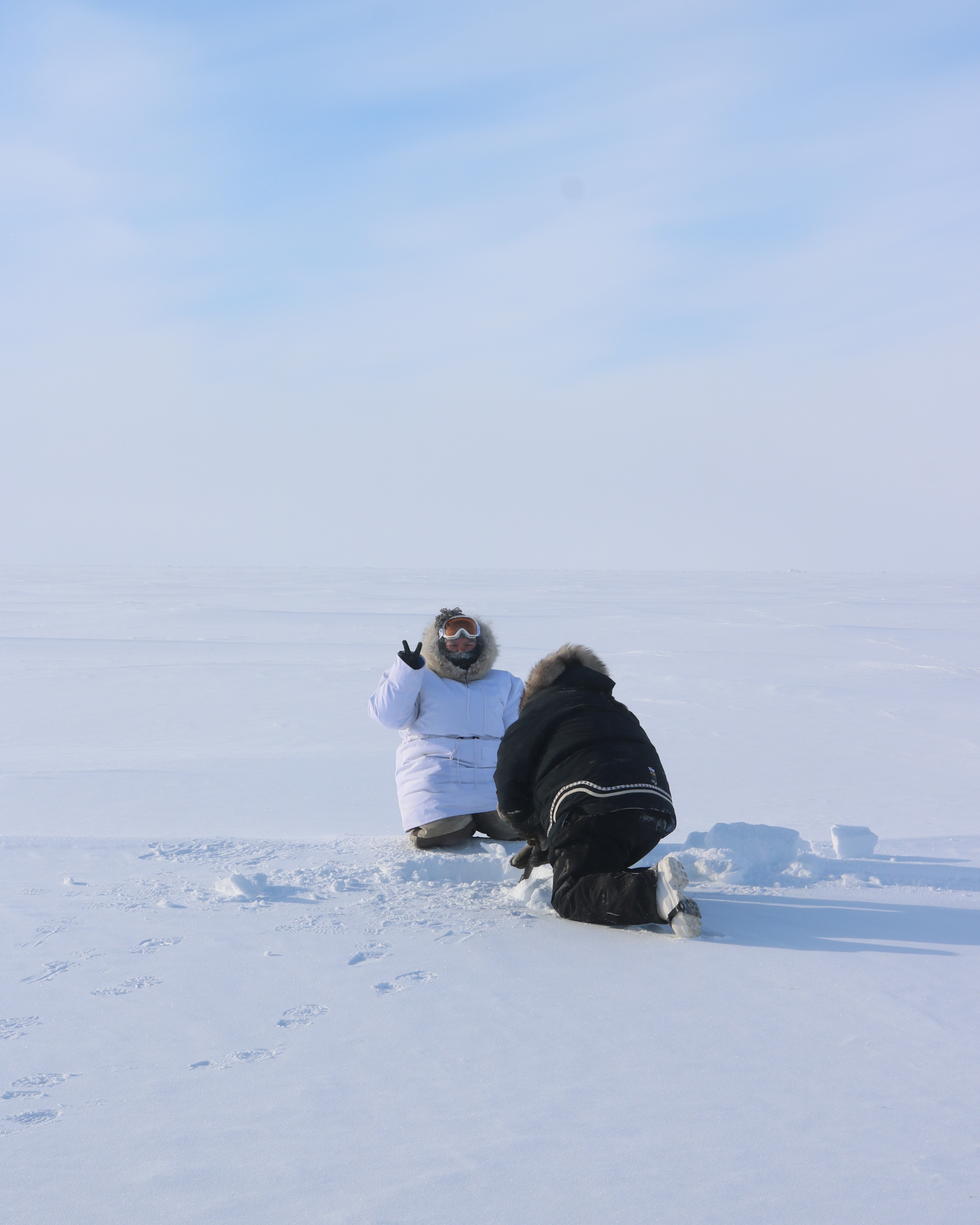
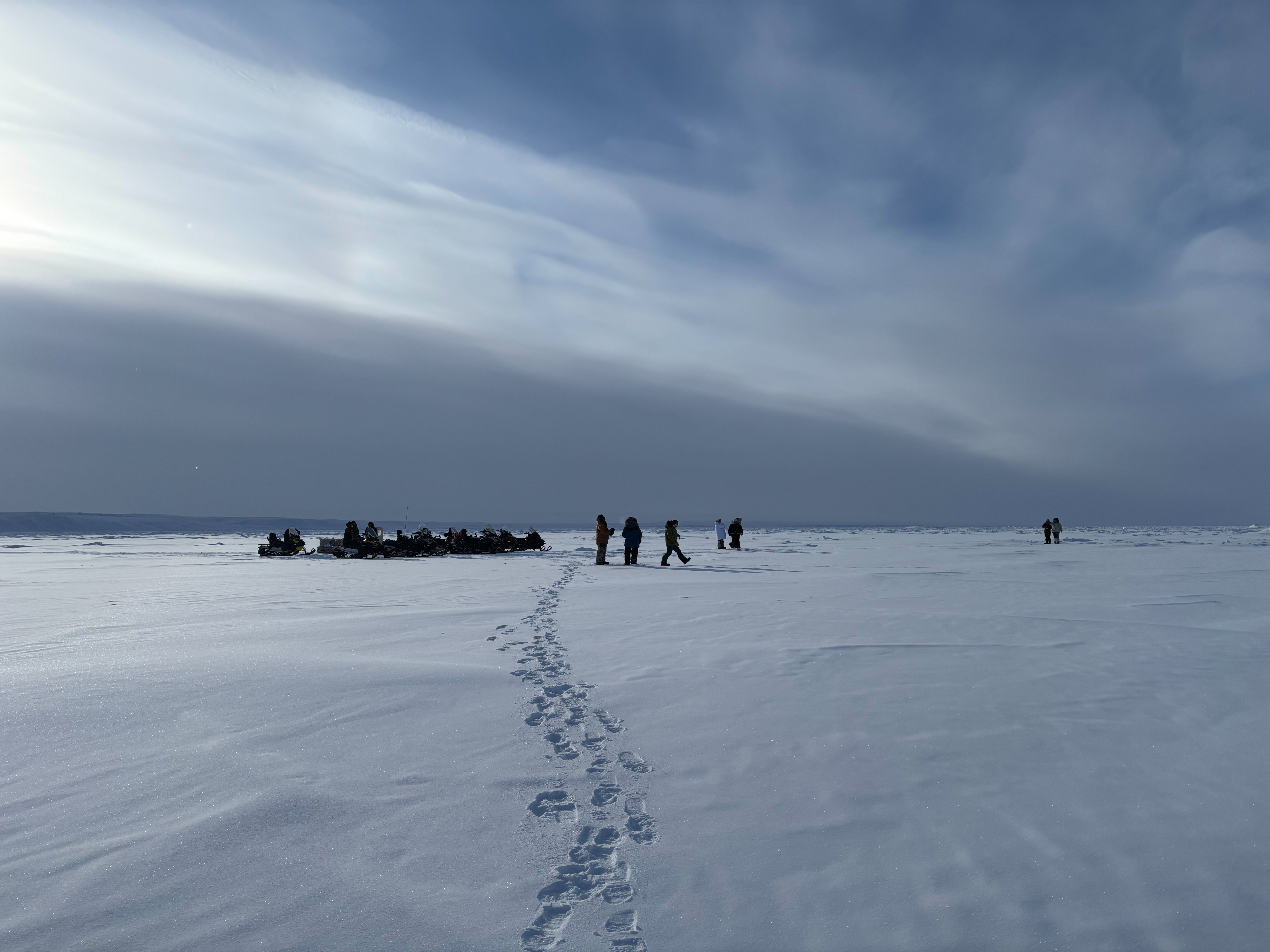
Most notably, I joined the team on Tuesday, March 16 to go out on the land by snowmobile and to apply what we learned indoors about sea ice mapping. Our group walked and spread out on the ice to learn about the size of a satellite image square by seeing how big it would be on the ground in real life. This was also my first time officially on the land: a day that reached a “Feels Like” temperature of -52°C, which I learned was quite chilly for mid-March!
Learning about the basics of remote sensing and sea ice mapping was eye-opening as I grew to begin to understand how to read sea ice maps, learned about the complexities and intricacies of ice, the local landscape, and community-based monitoring. It felt like scratching the surface, just the tip of the iceberg, of all there is to learn.
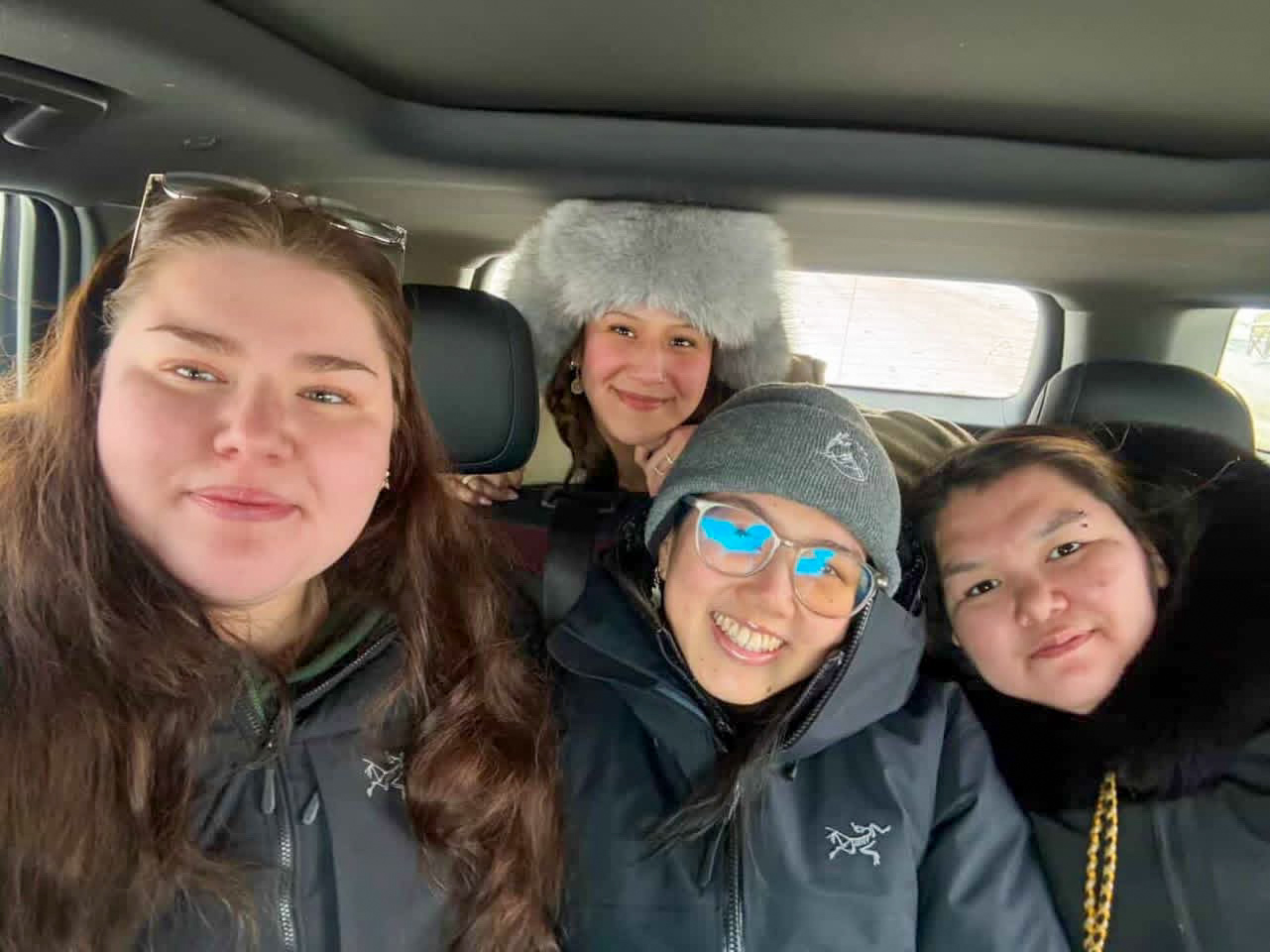
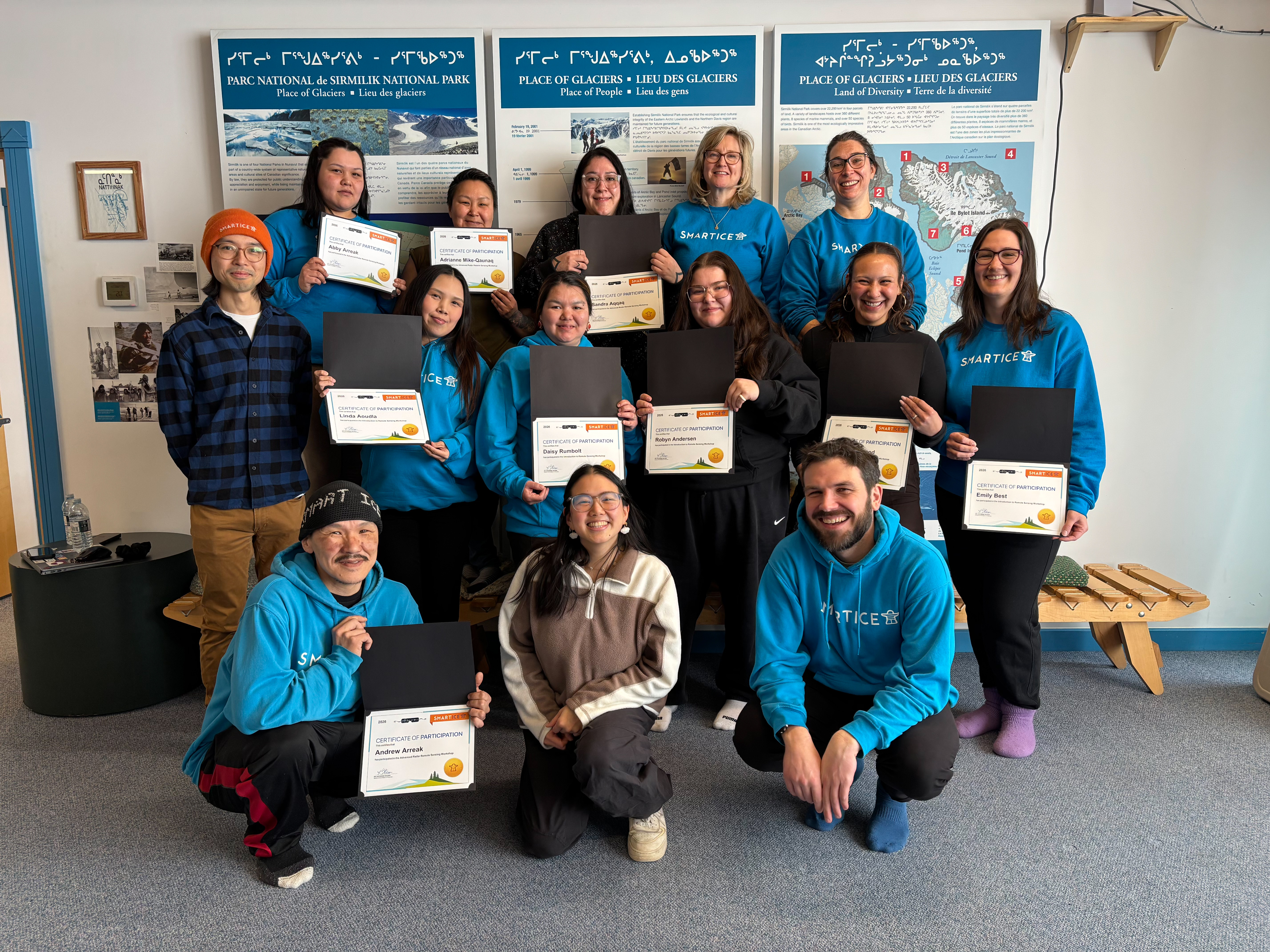
Above all, it was wonderful to meet and make new friends with everyone at SmartICE because of the warm and wholehearted welcome into their team for the week. Following the successful conclusion of SmartICE training and the departure of the team at the end of the first week, I transitioned to focus more specifically on meeting with local contacts and SUNTeam friends in town.
Week 2: Research Meetings in Mittimatalik (March 19-27)
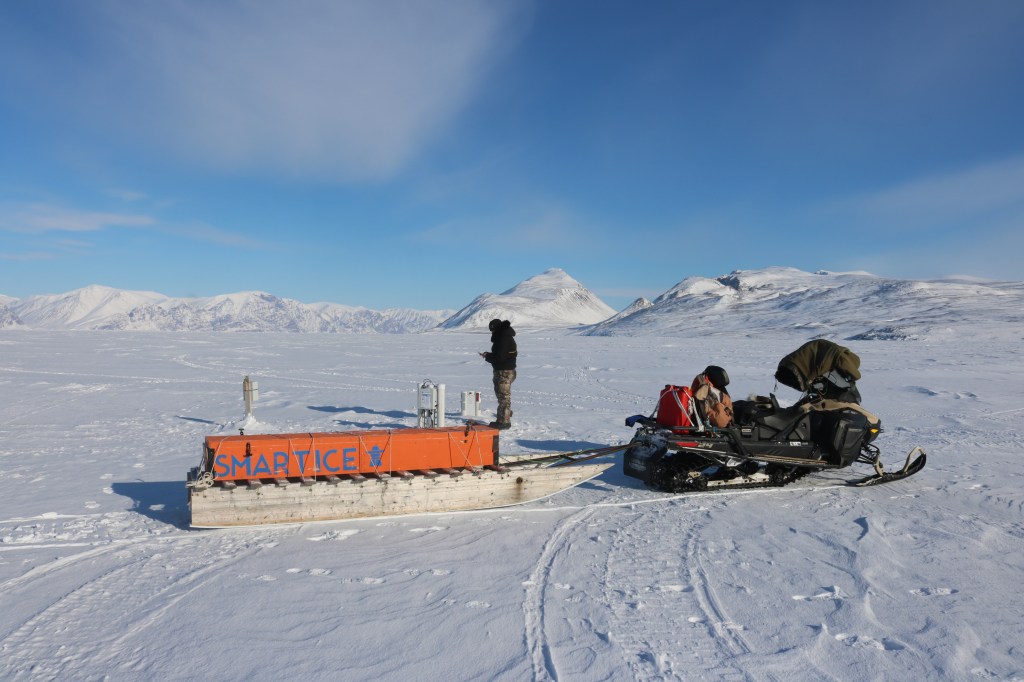
In the second week, I continued to learn about SmartICE’s work and met with Andrew Arreak (SmartICE Operations Lead) as well as representatives from Nasivvik High School, Ikaarvik, and other community members to share about initial project ideas and receive input from them about youth travel safety and land skills programs. On one particular day, Andrew showed me one of the SmartBUOYs on the ice and I learned a bit about how they work and are maintained. It was also neat to see the SmartQAMUTIK in action again (pictured above)! Getting to go out in full sun and on a day with a high of -25°C made a world of difference, compared to the frigid day the week prior. Enjoying the weather thoroughly, I also made sure to make a “snow angel” on the sea ice!
Later that week, Andrew accompanied me to stop by the hamlet and Mittimatalik Hunters and Trappers Organization (HTO) offices. For a full-length meeting, I was able to meet with the HTO online just a couple of weeks later. Throughout these meetings, I continued to hear from different perspectives about the importance of funding for youth land programming and the value of learning directly from youth about what they know and do when they travel. With this newfound understanding, I refined my research question to focus specifically on the relationship between community-based monitoring and land skills programs for youth travel safety.
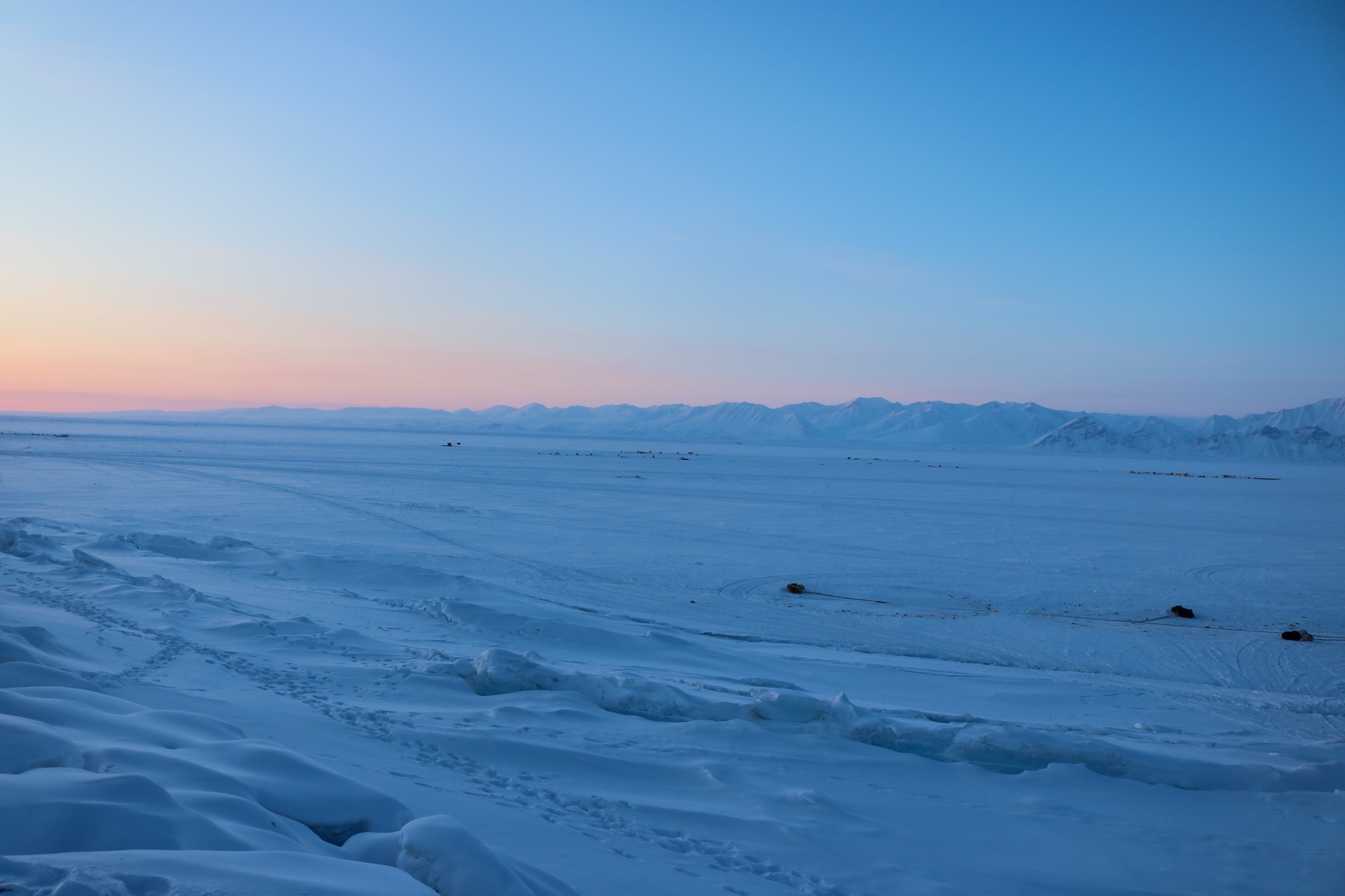
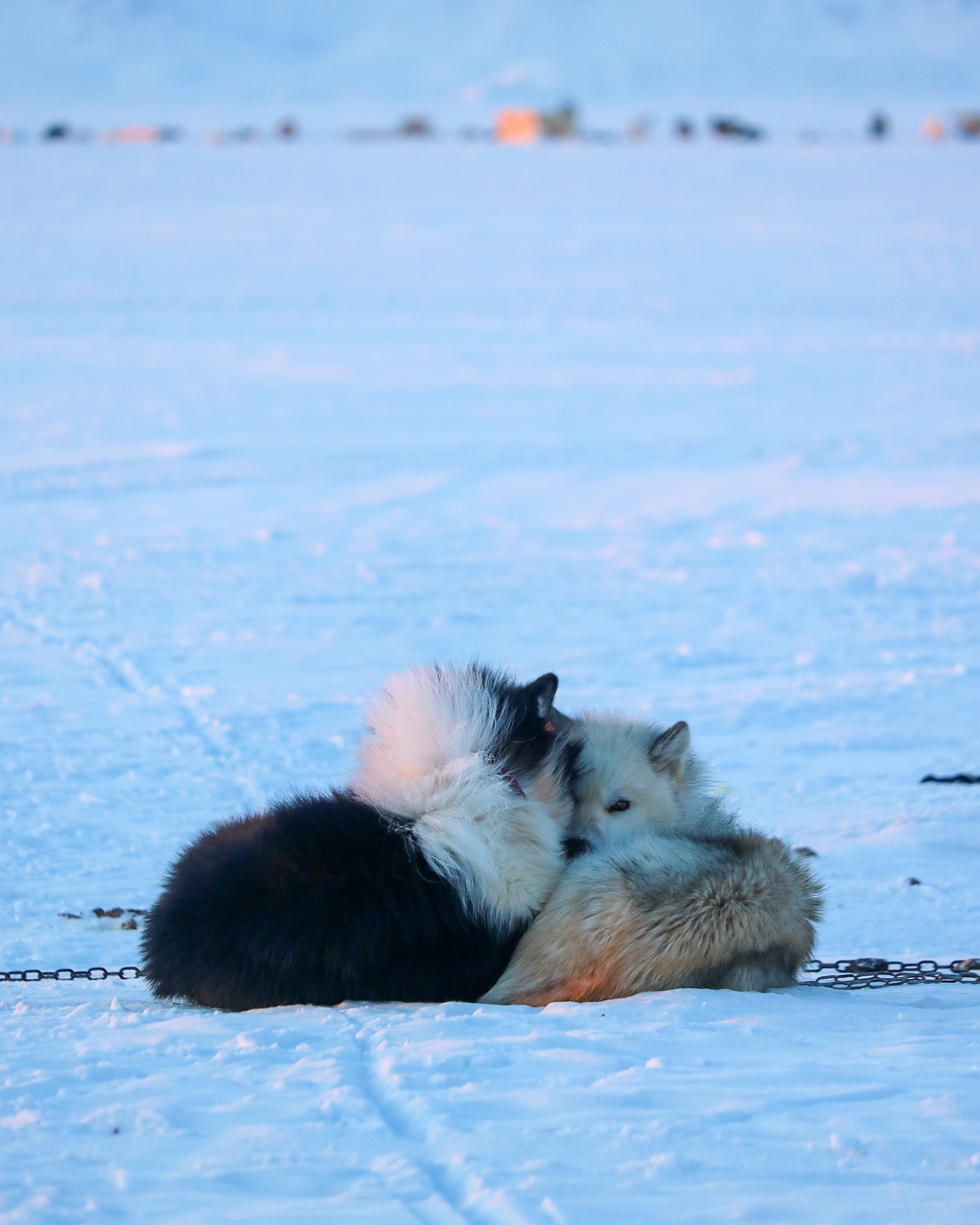
As a BFP Regional Coordinator, I also visited Nasivvik High School to share with their Gr. 11-12 classes about BFP’s learning materials focused on the Sustainable Blue Economy, mentorship, free training workshops, and potential funding. Earlier that day, the school also held a fashion show for students to show off their favourite cultural clothing, from brightly coloured parkas with seal skin panels to polar bear fur pants and seal skin kamiks (boots). It was lovely to be a part of and to meet students while I was there!
Iqaluit (April 27-May 6, 2026)
One short month later, I returned to Nunavut to visit Iqaluit for the third time (the first two visits were a part of my MA research on Climate Change Research Trends in Nunavut). On this trip, I was able to meet with a wide range of new contacts, friends, partners, and potential collaborators. From the Nunavut Research Institute (NRI) to Qaujigiartiit Health Research Centre, Nunavut Arctic College (Environmental Technology Program), Government of Nunavut Climate Change Secretariat, Hunters and Trappers Association, and the middle and high schools, it was a busy time of sharing ideas and listening for feedback. With a lot of positive interest and helpful recommendations provided by Iqalungmiut, I am now working to more clearly define her research objectives and methods to address community priorities.
At Inuksuk High School and Nunavut Arctic College, I shared once again about BFP internships that provide opportunities for students to be funded when working or being trained in oceans- or water-related careers.
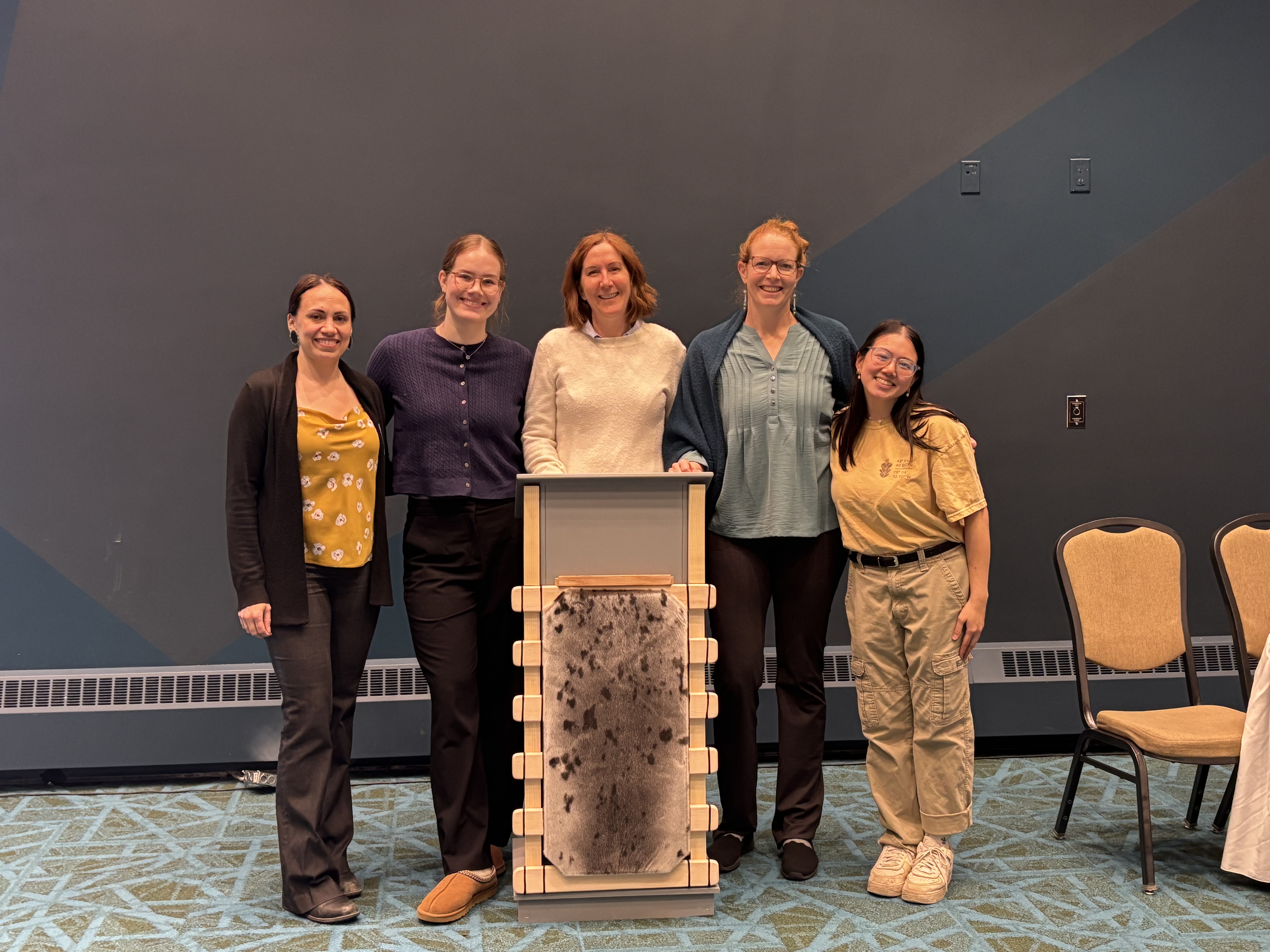
On Saturday, May 2, Gita Ljubicic, Natalie Carter, and Madeleine Lutes from our SUNTeam arrived in town to facilitate the Nunavut Research Gathering hosted by Nunavut Tunngavik Inc. and NRI. It was great timing to be in town at the same time! This meant that I had the opportunity to connect in person with various Nunavut licensing and permitting agencies to get input on a research approval decision-support tool that I am creating for the NRI (as part of the Making Research Work for Nunavummiut project). I shared draft copies of the decision-support tool flow charts, and many agencies provided comments via sticky notes. This was really helpful to improve the clarity of the tool as part of a guide for researchers in navigating research licensing and permitting in Nunavut.
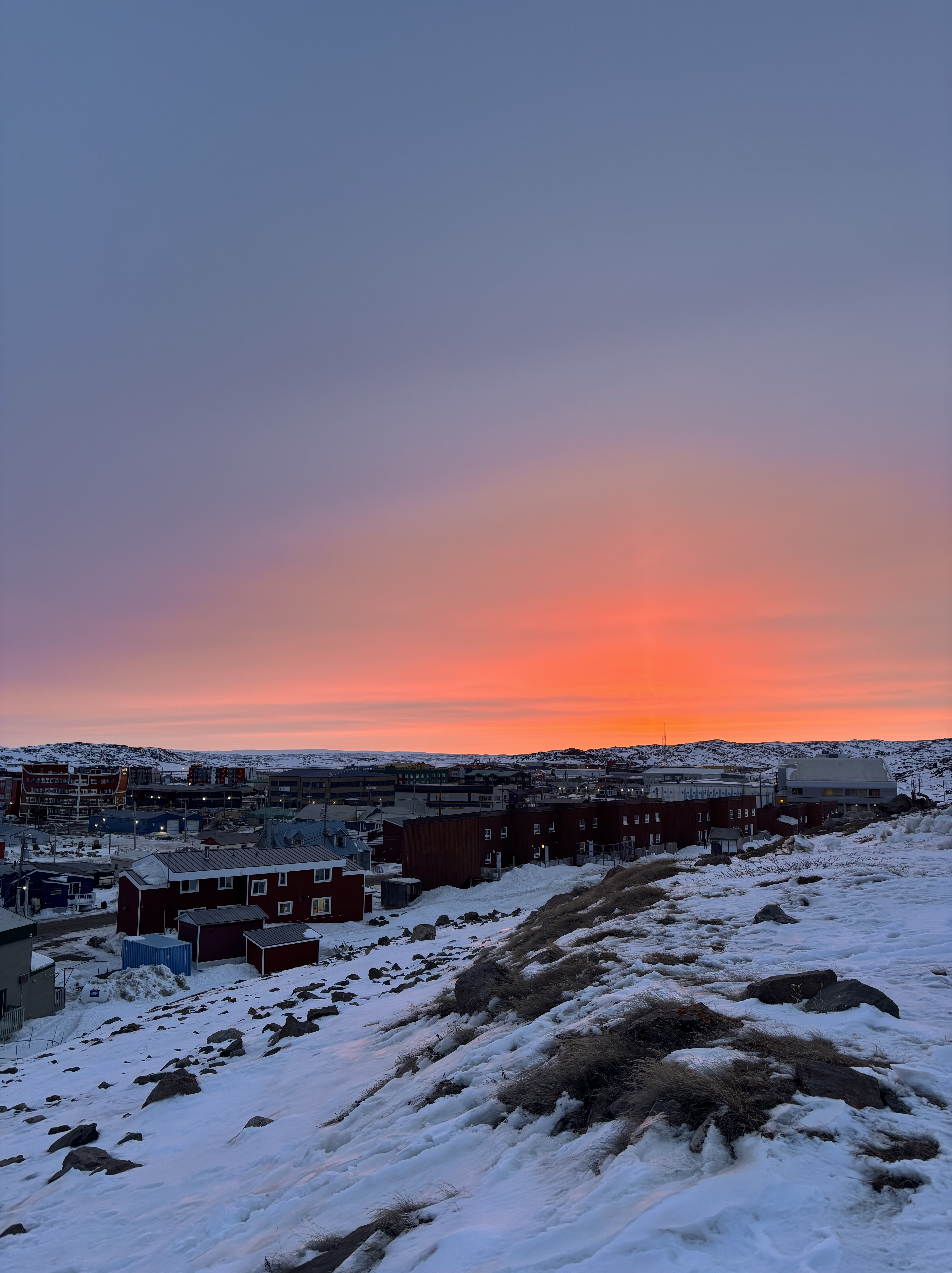
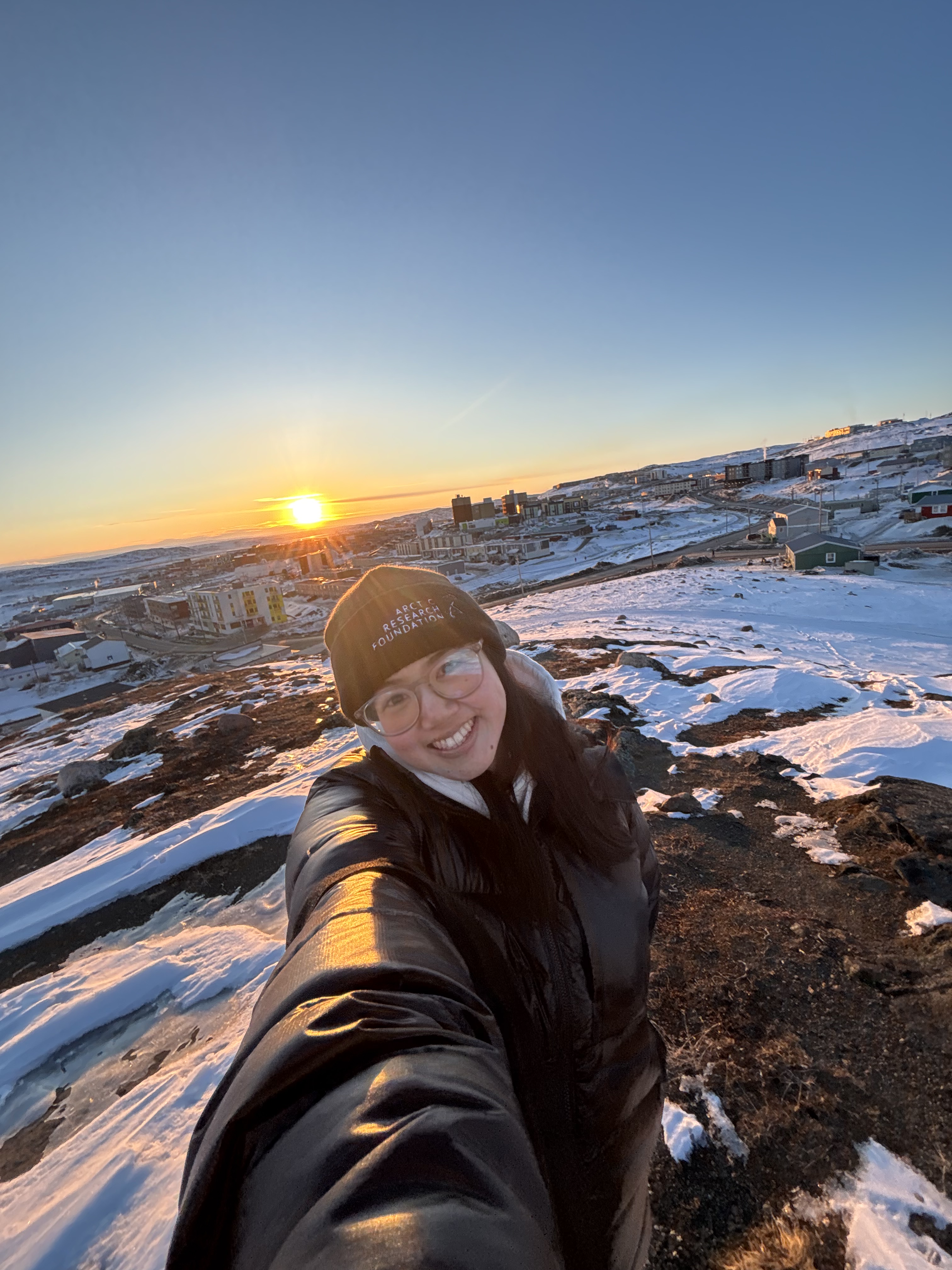
While my fellow SUNTeam members were in town, our team enjoyed lunches at Black Heart Café together, a team favourite. In the evening, I also went on sunset walks on the many hills of Iqaluit. Filled with friendship and connections, both new and old, this was a lovely and productive end to my northern travel for 2026 – so far!
In Closing
This time in Mittimatalik and Iqaluit provided an important opportunity to establish relationships, connections, and receive insights and feedback to guide my project development in support of northern priorities. Meetings across these two trips reinforced the importance of:
- Inuit knowledge & community-based monitoring for travel safety;
- Involving youth & listening to youth voices and perspectives;
- Building skills on the land for northern youth from an early age;
- Strong land-based programs as components of holistic health systems;
- The need for continuity in funding for community-based monitoring & land skills programs; and
- Safe access to the land & cultural livelihoods as an Inuit rights-based issue.
Qujannamiik || Nakurmiik || Thank You
Thank you to the entire SmartICE team and management for allowing me to join in such a wonderful week of learning about sea ice mapping and making new friends! SmartICE staff who supported the planning for my involvement in their training workshop include Katherine Wilson, Danielle Hallé, and Shawn Rivoire. I would also like to extend thanks to Andrew Arreak, Moses Amagoalik, Natasha Simonee, Michael Milton, Jamal Shirley, Ceporah Mearns, Erik Coleman, Lodie Ipeelie, Amy Caughey, Aaron Wile, Jennifer Kilabuk, Lisa Schellenberger, and others for providing helpful feedback in refining this work. Another major thank you to my committee member Dominique Henri, as well as Evan Richardson and Jamie Enook from Environment and Climate Change Canada, for supporting the logistics of my stay at the lovely research station in Mittimatalik.
Once again, I am grateful for travel that was made possible through Mitacs Accelerate, Blue Futures Pathways, and POLAR’s Northern Scientific Training Program.

