
Trip summary by: Rowan Harris, Léna Bureau, and Nicole Stafiej
Arviat, Nunavut (April 27th – June 28th, 2025)
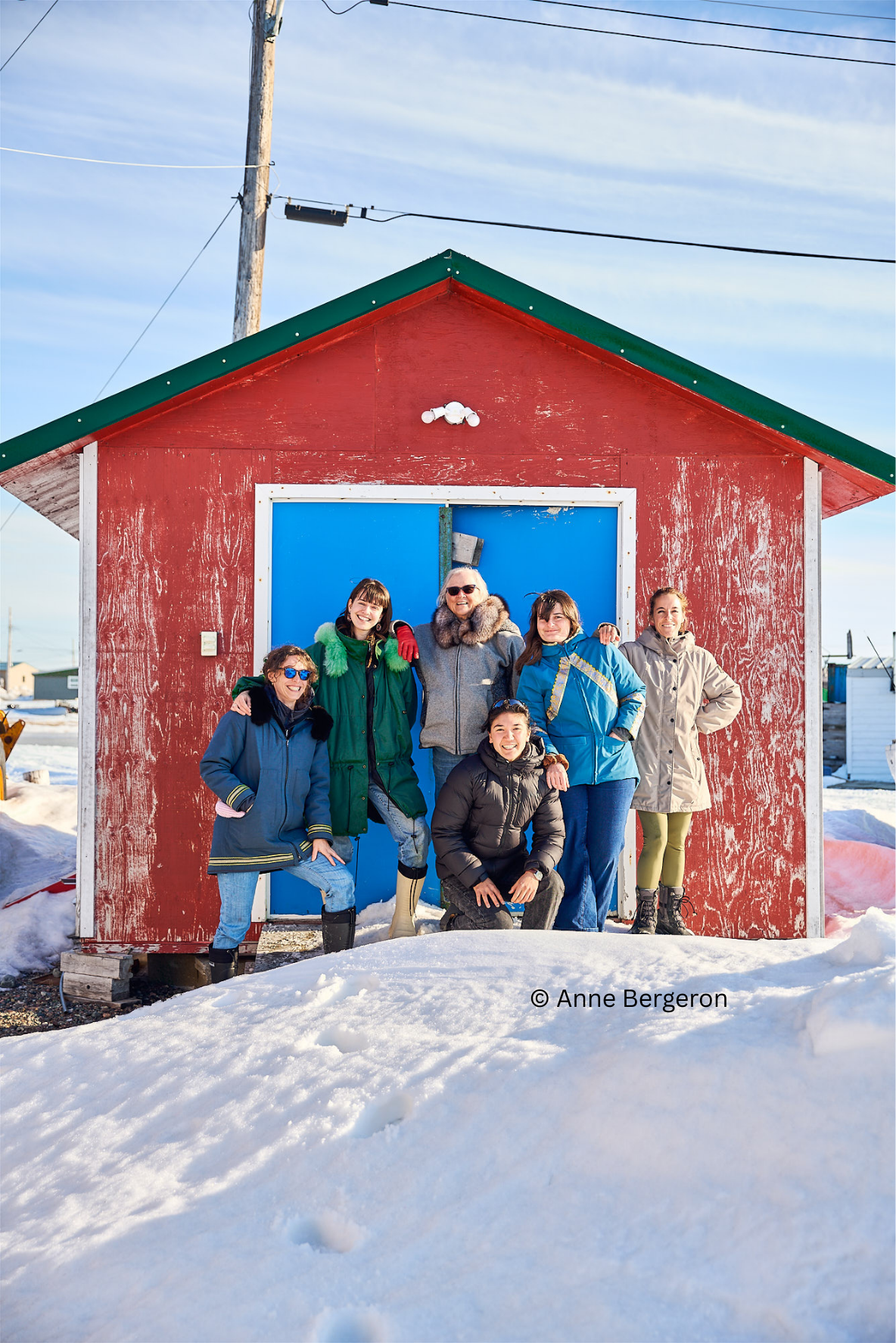
All photos by: Anne Bergeron, Léna Bureau, and Rowan Harris
Purpose of Visit
Rowan Harris (SUN Team MA Student), Léna Bureau (McGill PhD Student), and Nicole Stafiej (McGill MSc Student) traveled to Arviat, Nunavut from May – June 2025 as part of the ongoing collaboration between the Aqqiumavvik Society and the Straight Up North and McGill University research teams. The visit marked an important period of overlapping research activities, shared analysis, and community engagement as part of our CIHR Goose Project.
Rowan was in Arviat through May, while Léna and Nicole stayed until the end of June for two months in total. Together, the three built on relationships and work from previous visits, supporting one another’s projects and collaborating closely with community members.
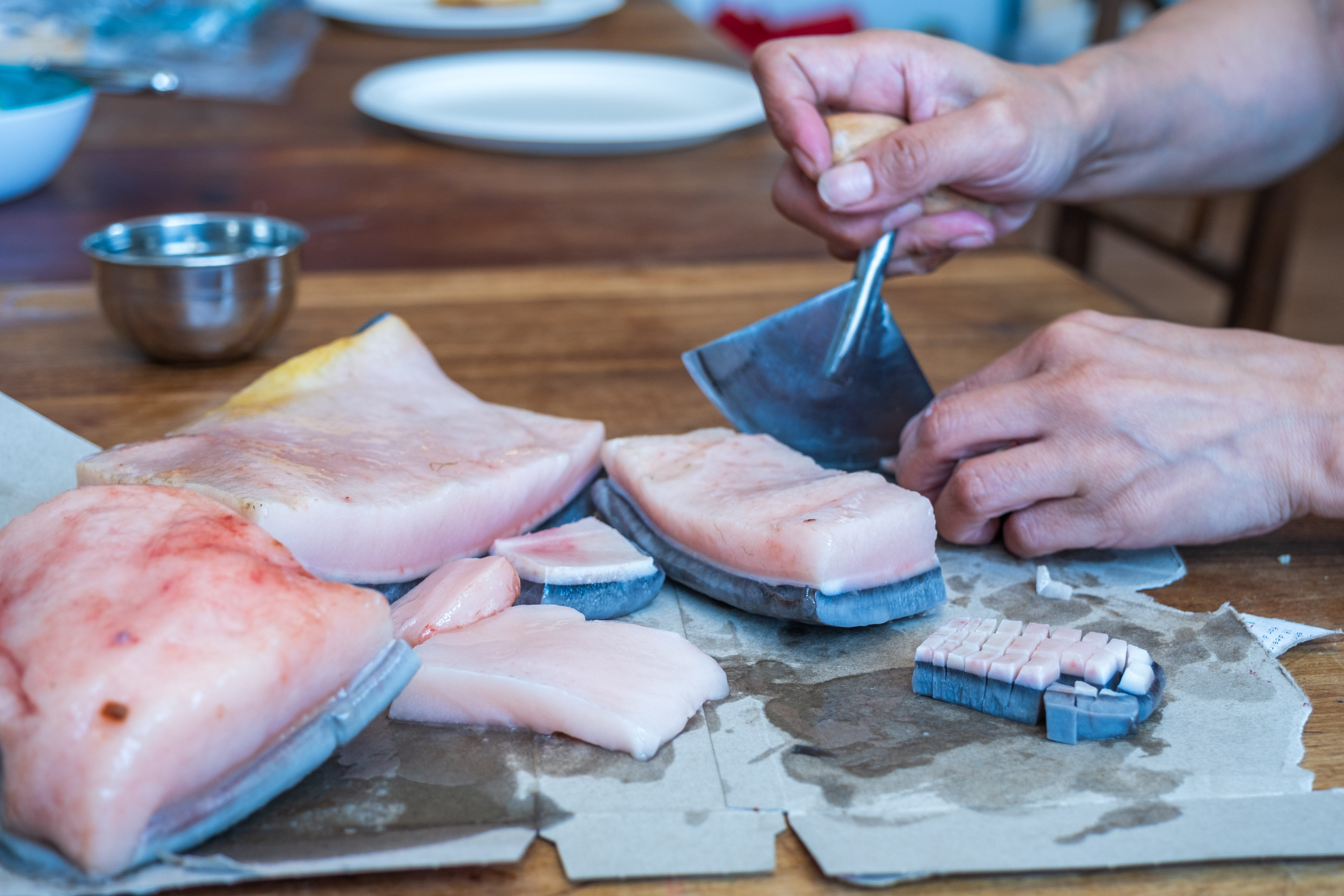
The visit also included a special week with Environment and Climate Change Canada co-supervisor Dr. Dominique Henri, who traveled with her longtime friend Anne Bergeron, a food photographer from Paris, France. During this time, the group collaborated with Aqqiumavvik staff and community members to cook and photograph goose dishes for a cookbook that highlights both historical recipes and new approaches to preparing goose.
Together we:
- Joined Aqqiumavvik hunters on the land during the spring goose hunt to verify community-identified health indicators and support harvesting activities.
- Held a hunters’ focus group near the end of the month to discuss indicators and decision-making in goose harvesting.
- Contributed to the goose cookbook project by preparing dishes that Anne photographed, ensuring recipes and knowledge can be shared widely in the community.
- Shared knowledge, brainstormed, and supported each other’s fieldwork and analysis throughout the month.
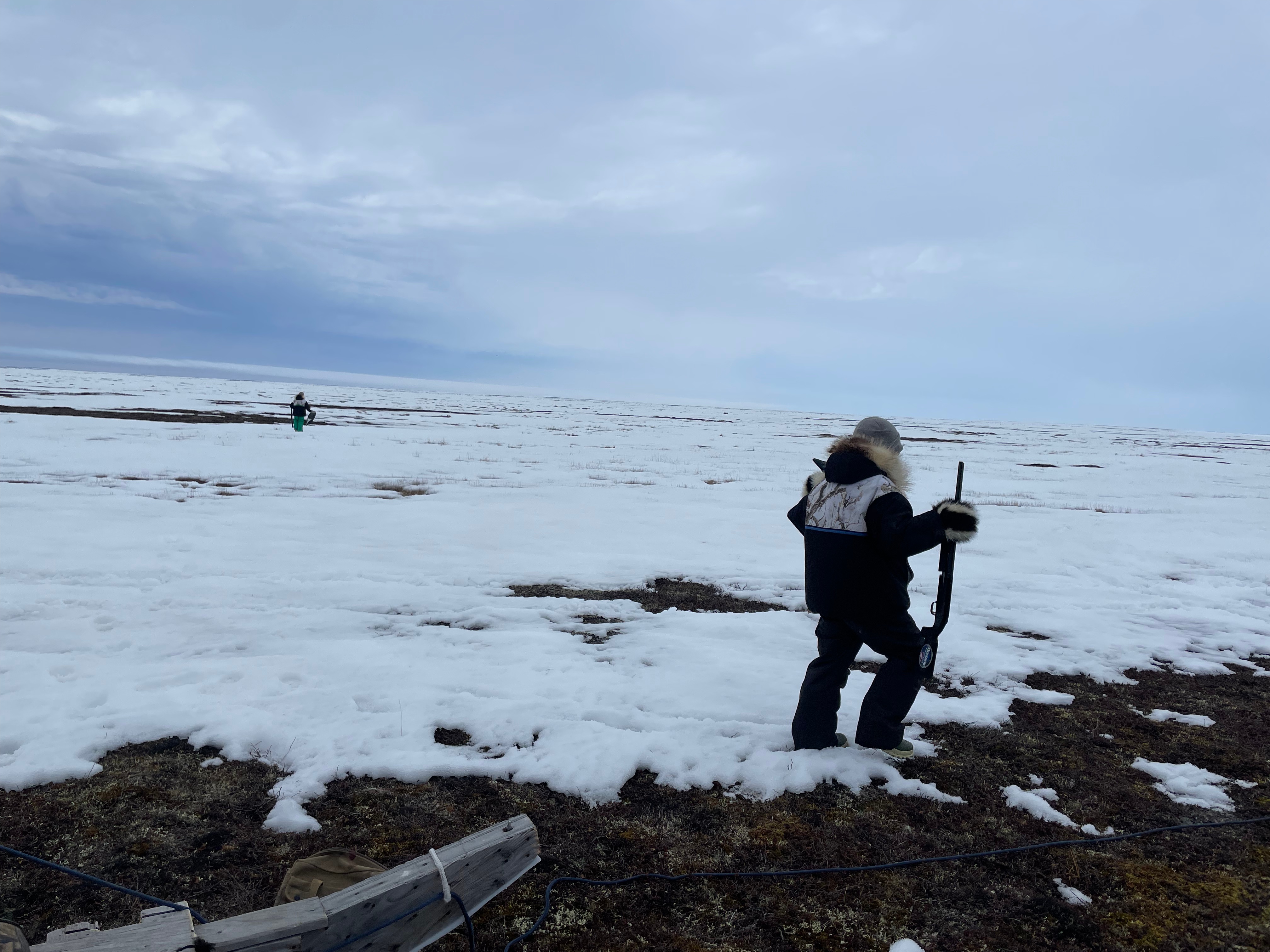
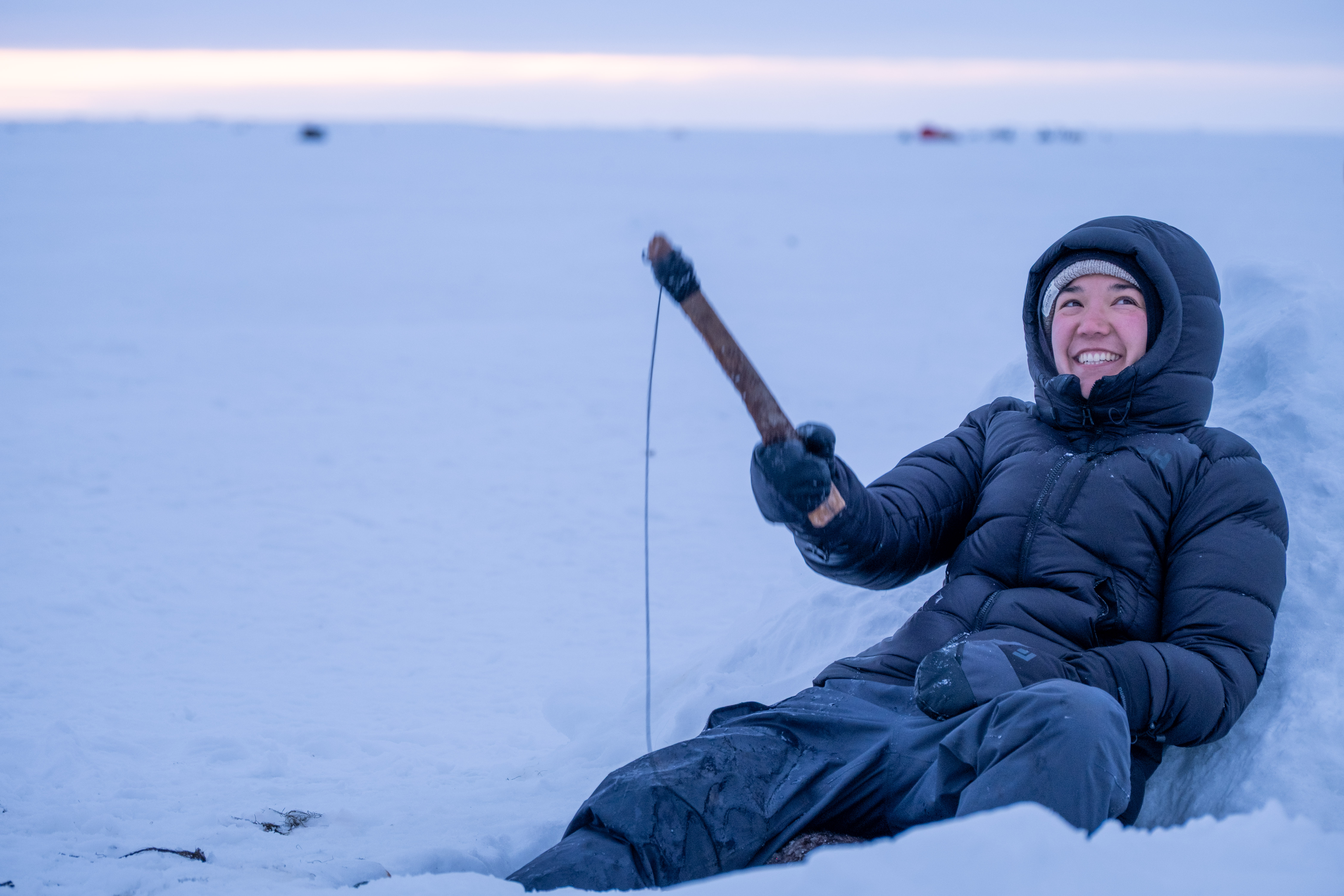
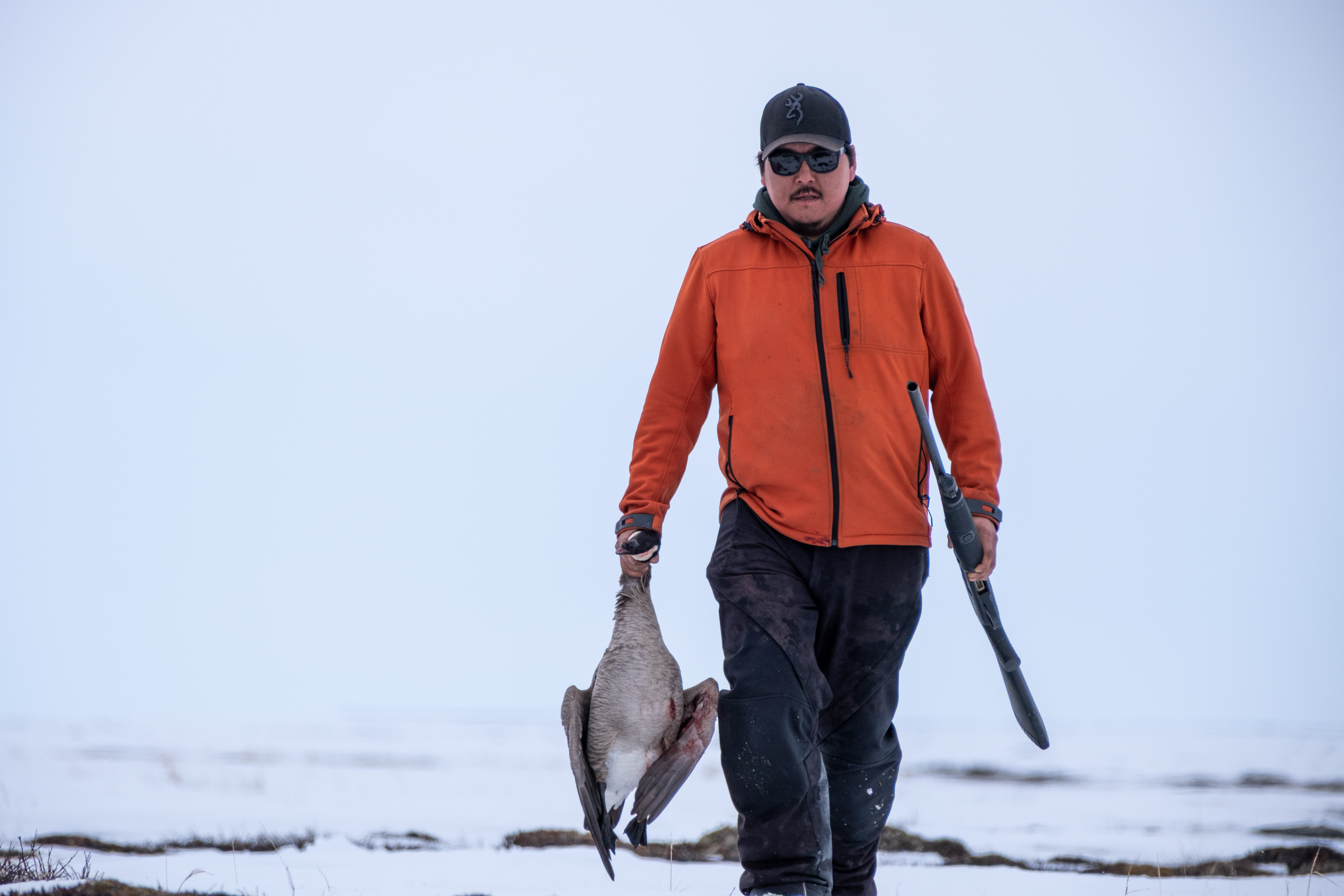
Photos by Léna Bureau and Rowan Harris
Student Projects
Rowan’s Project
Rowan continued her master’s research on understanding holistic indicators of goose health through interviews, focus groups, informal conversations, and on-the-land trips. Her work focuses on documenting Inuit-identified indicators across different stages from goose hunting to consumption and collaboratively analyzing how these observations guide decisions about health and consumption. This visit marked an important phase of returning results to the community, verifying indicators in practice, and co-analyzing data with community members to prepare for knowledge sharing during the spring goose hunt.
Léna’s Project
Léna has made significant progress on her research on the drivers of goose consumption in Arviat. She has continued to document goose hunting practices, cultural goose cooking, and community kitchen initiatives through experiential learning, storytelling, and participatory video. She also facilitated Fuzzy Cognitive Mapping workshops with 27 community members of different ages and expertise, including Elders, experienced hunters and cooks, as well as younger participants and learners, to capture multiple perspectives and identify the key factors influencing goose consumption in the community. The next step for Léna involves analysis and validation next fall, as well as continuing to support the co-creation of culturally meaningful communication materials based on her research results, such as a community cookbook to promote goose consumption, health, and well-being at the community level.
Nicole’s Project
Nicole supported and ran the community kitchen while advancing her research on the role of geese in local food systems. She facilitated workshops and focus groups focused on goose preparation, cooking methods, and food sharing. The community kitchen served as a space for knowledge sharing and discussion around the cultural importance of geese as food.
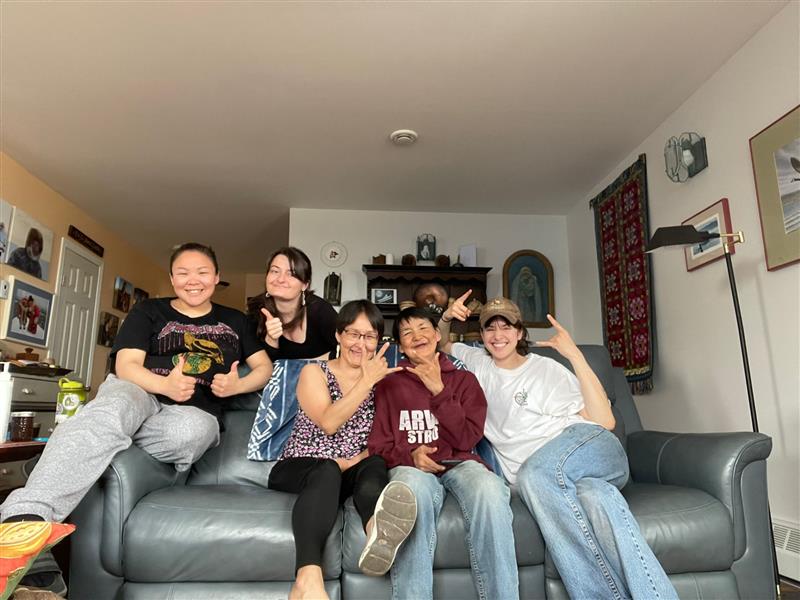
Photos by Léna Bureau
Collaboration Spotlight
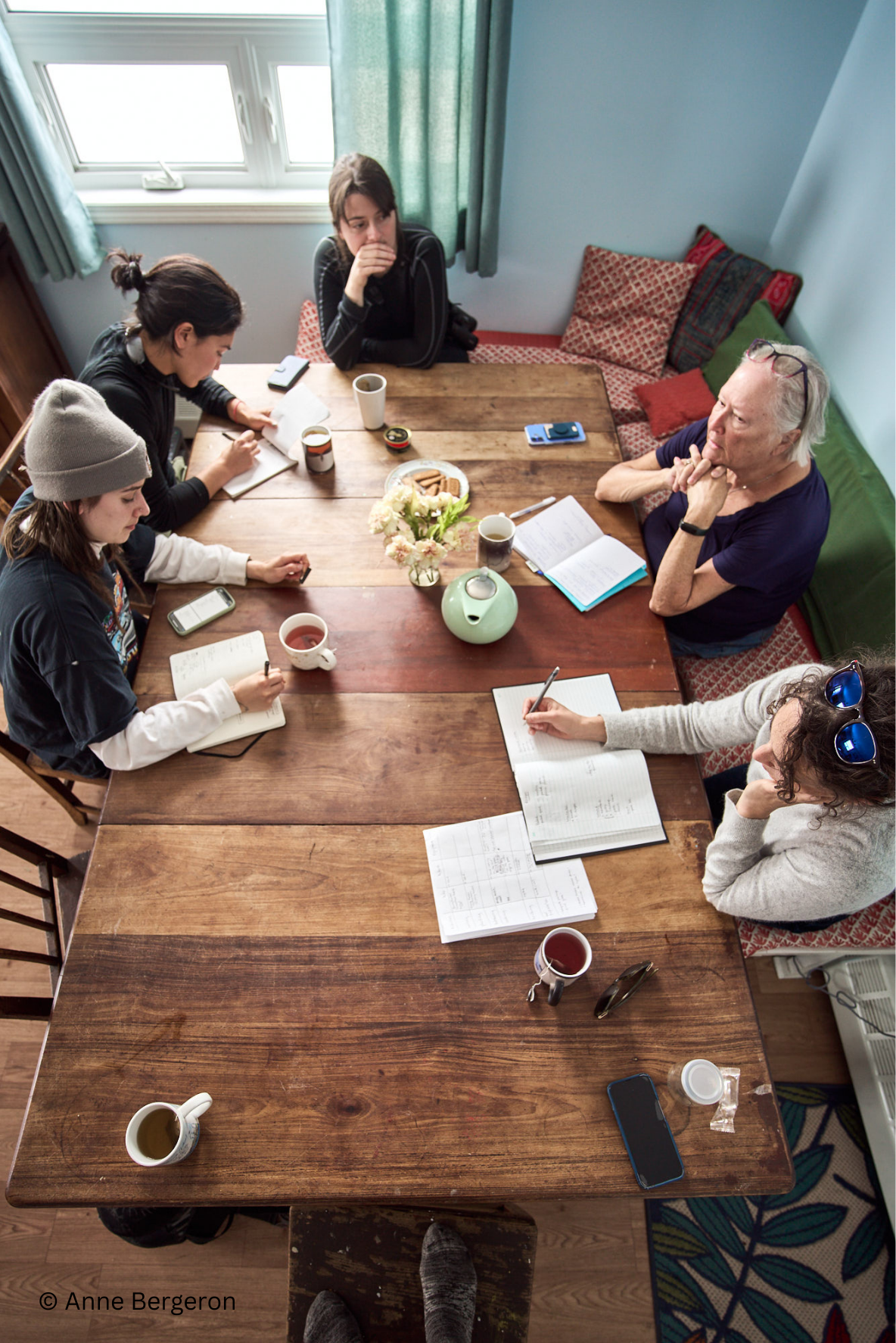
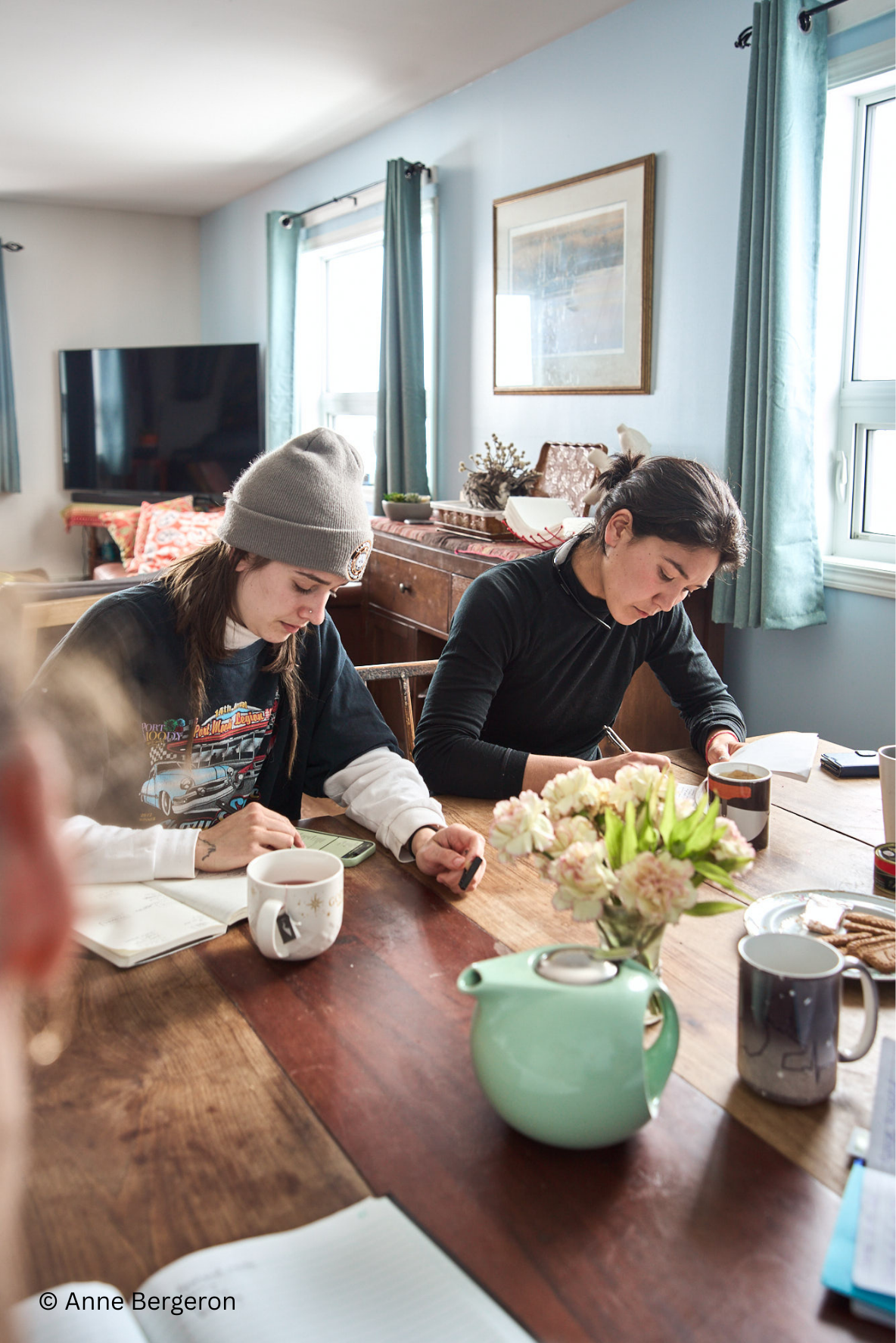
Although each of our projects focused on different themes, such as holistic goose health indicators, community food systems, and youth engagement, this trip was characterized by daily collaboration and shared learning.
We worked side by side in interviews, focus groups, in the community kitchen and on-the-land trips, often helping each other with logistics, analysis, and community engagement. Many of these collaborations happened informally around kitchen tables, during community events, and while processing geese, where conversations naturally crossed between projects. This collective approach created a supportive environment that strengthened each of our research activities and reflected the collaborative spirit that underpins research partnerships in Arviat.
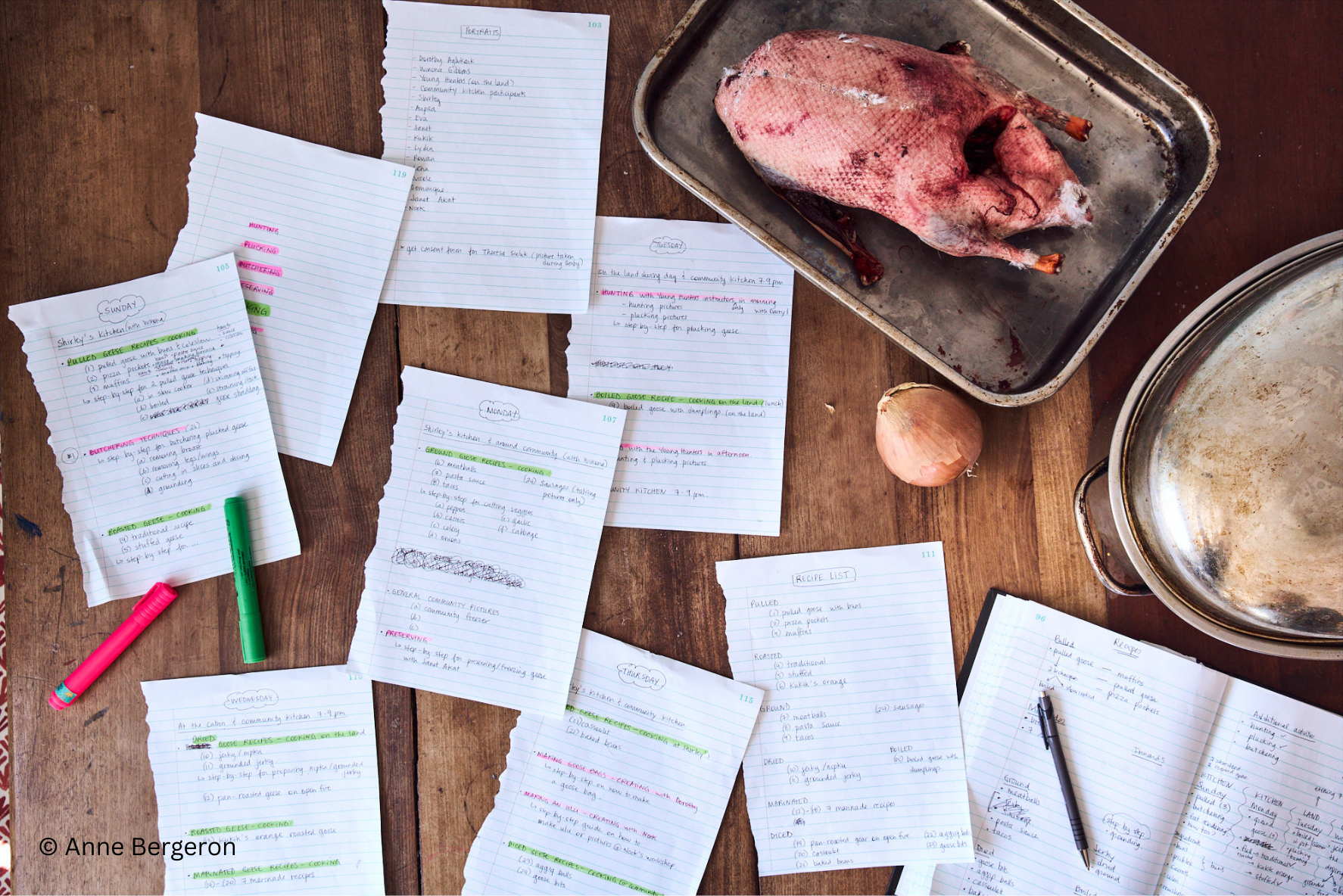
© Anne Bergeron
On the Land and in Community
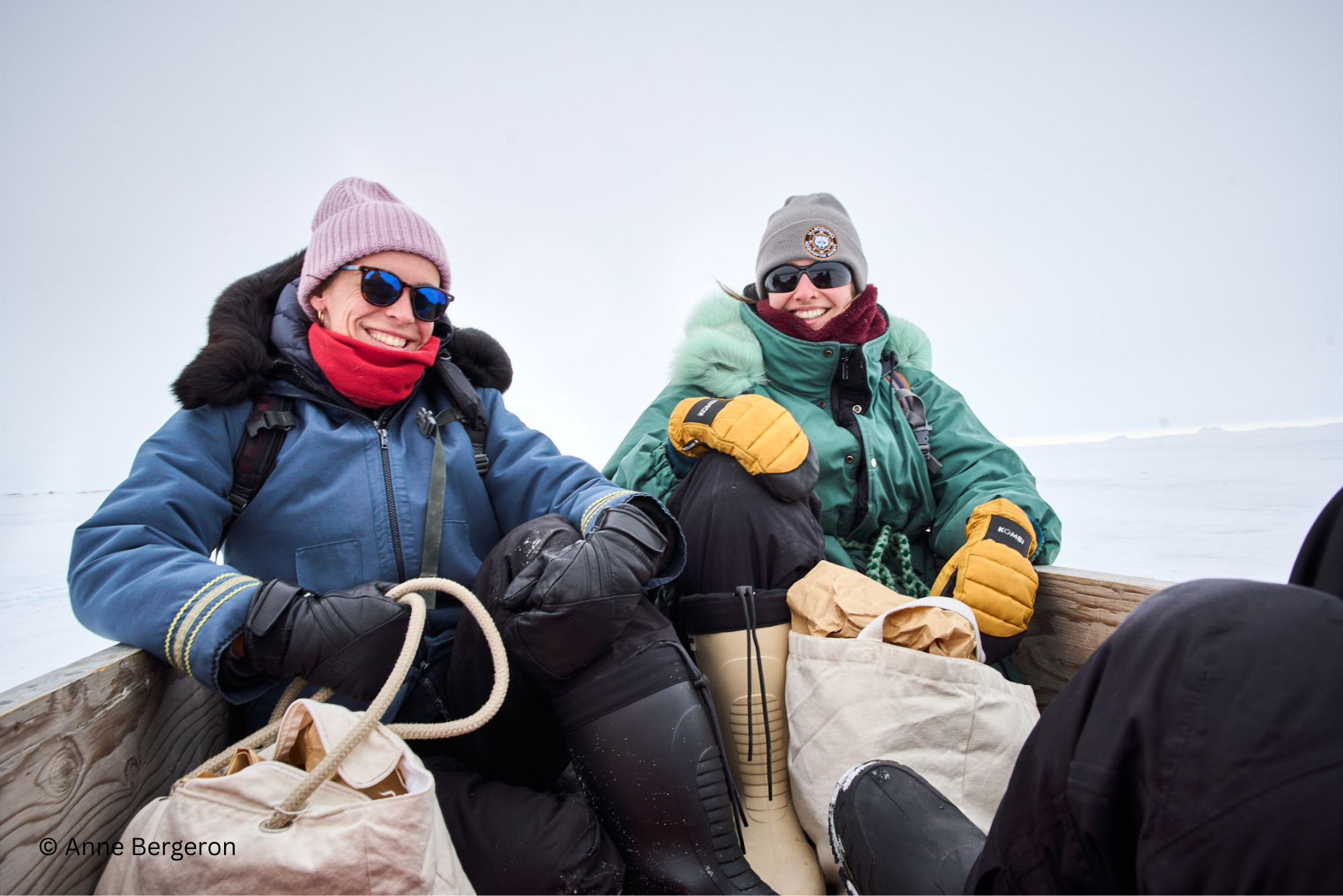
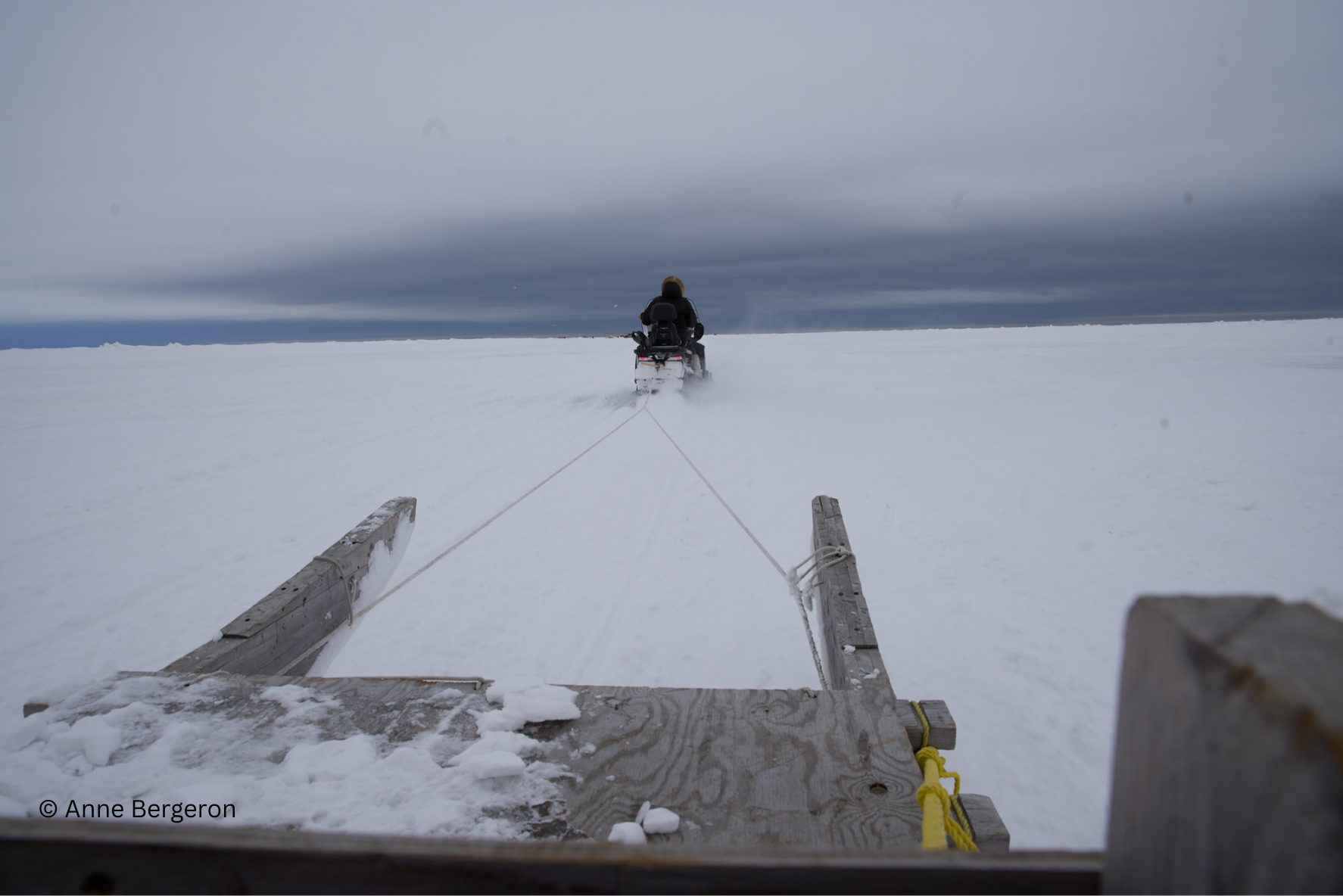
Fieldwork during the spring goose hunt provided important opportunities for shared learning. On several trips with local hunters and Aqqiumavvik staff, we observed and discussed fatness, energy levels, injuries, and abnormalities in harvested geese. These experiences were crucial for verifying indicators in practice and understanding how hunters make real-time decisions about goose health and edibility.
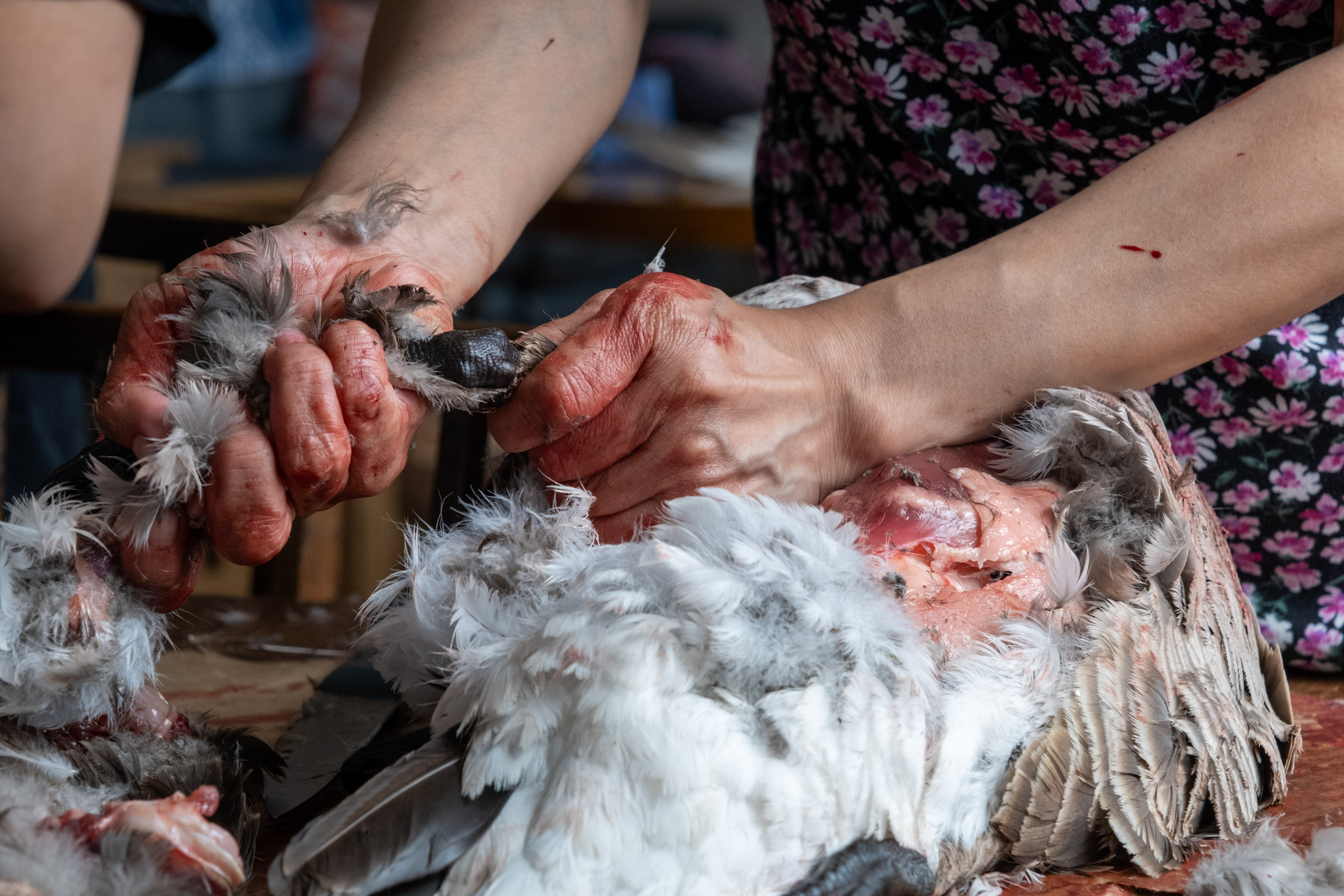
A highlight of the trip was a large harvesting and processing day for the community kitchen. Together with Dominique, Anne, Darryl Baker and his twins, Karoo Muckpah, and Ramon Kaviok, we harvested 50 geese. The day was full of laughter, teamwork, and learning, with goose down swirling through the air as we worked together. In between plucking and preparing birds, conversations flowed naturally about fatness, injuries, and Inuit cultural knowledge, linking research themes directly to lived practices.
Throughout the visit, we also supported community-led initiatives, joined kitchen-table discussions, and participated in everyday activities that built trust and deepened relationships.
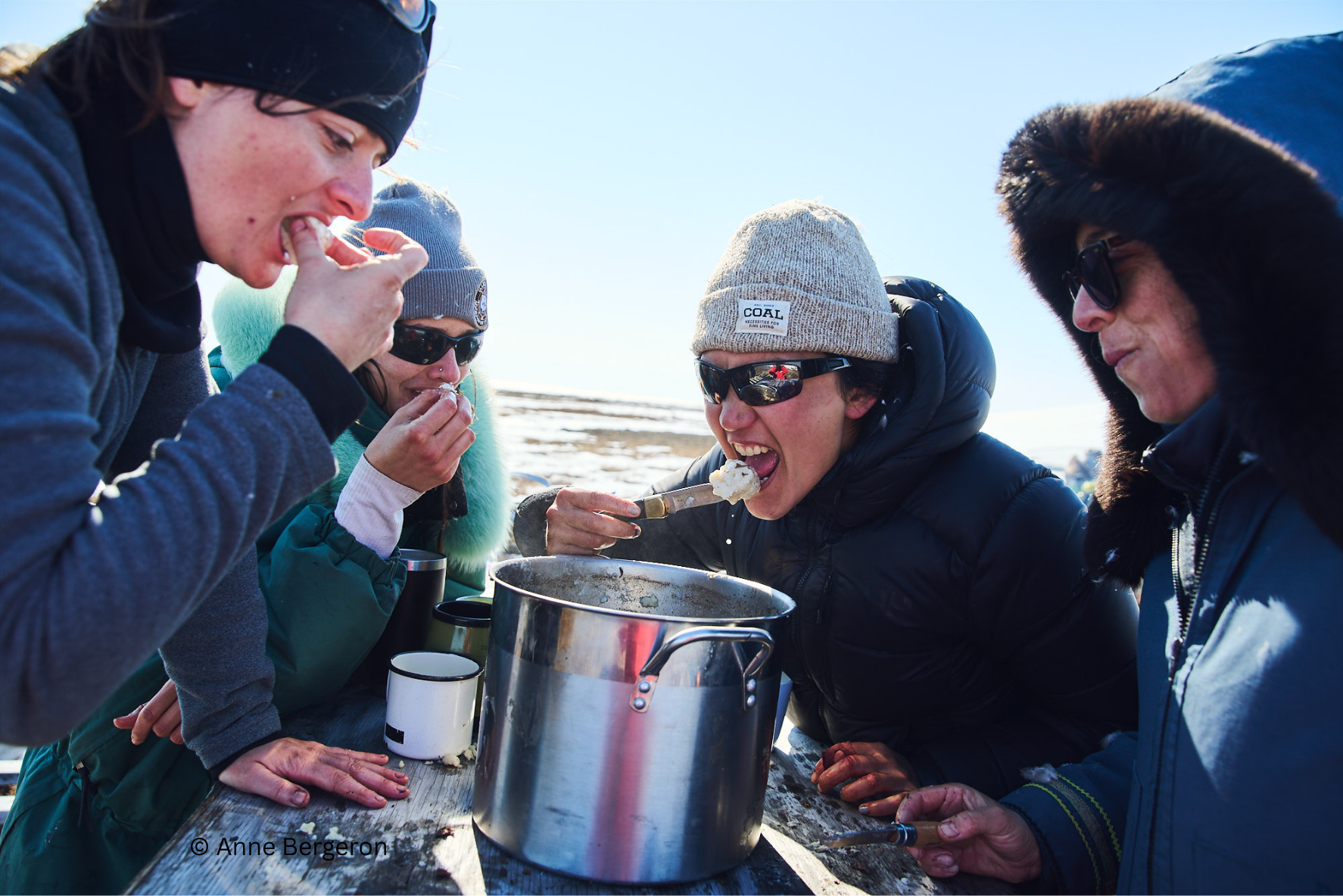
© Anne Bergeron
Reflections and Next Steps
This visit marked an important period of collaborative research. Working together and supporting one another’s projects strengthened a shared understanding of community priorities related to harvesting, food systems, and youth engagement. On-the-land trips and shared activities reinforced that knowledge is generated through practice, relationships, and ongoing conversation, not only through formal research settings.
Next steps for Rowan include working with a local illustrator to co-design a bilingual infographic on goose health indicators, completing analysis, and sharing results with Arviarmiut. Léna will analyze participatory mapping data to identify key influences and barriers to goose hunting. Nicole will continue synthesizing insights from community kitchen workshops and focus groups focused on cooking practices and food sharing. Together, these efforts support Inuit-led research, food sovereignty, and community priorities.
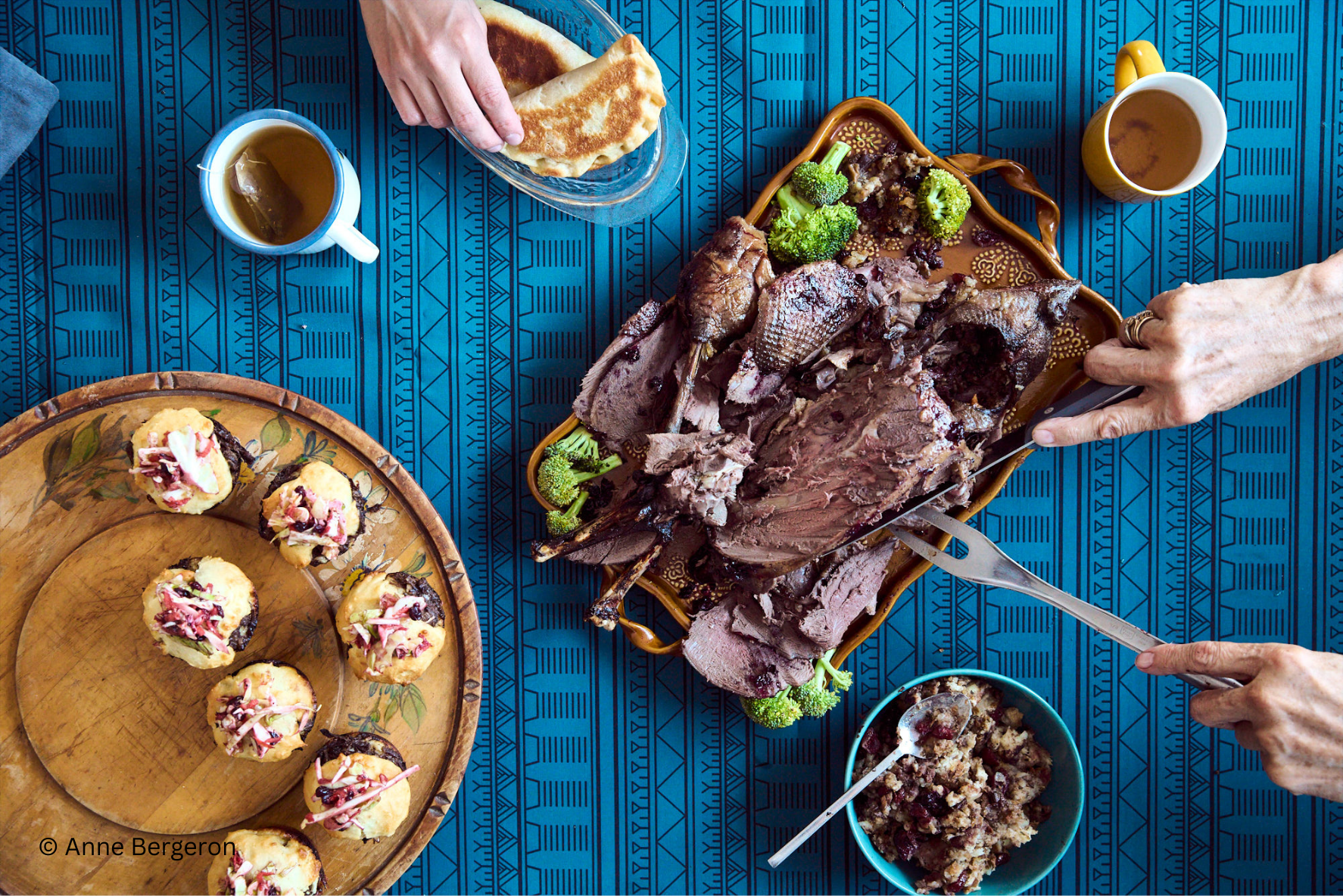
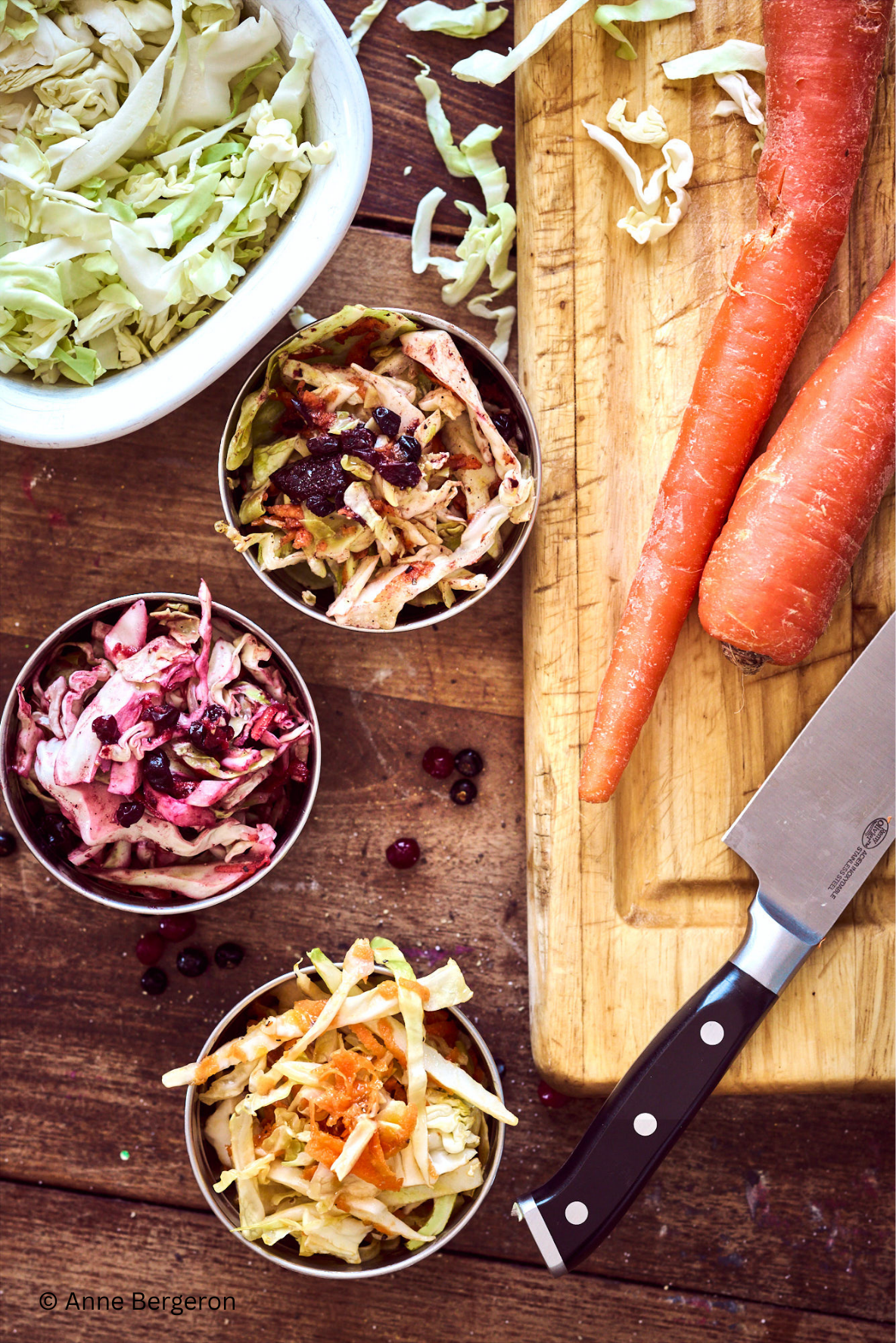
© Anne Bergeron
Matna
We extend our deepest thanks to the Aqqiumavvik Society staff for their support and guidance throughout the trip. We are grateful to Elders, hunters, youth, and community members who welcomed us into their homes, took us on the land, and shared their knowledge with generosity and patience. Special thanks also go to Dominique Henri and Anne Bergeron for their inspiring contributions during their visit.
We are continually grateful for the warm welcome in Arviat and to all those who share their time and knowledge in contributing to this project.
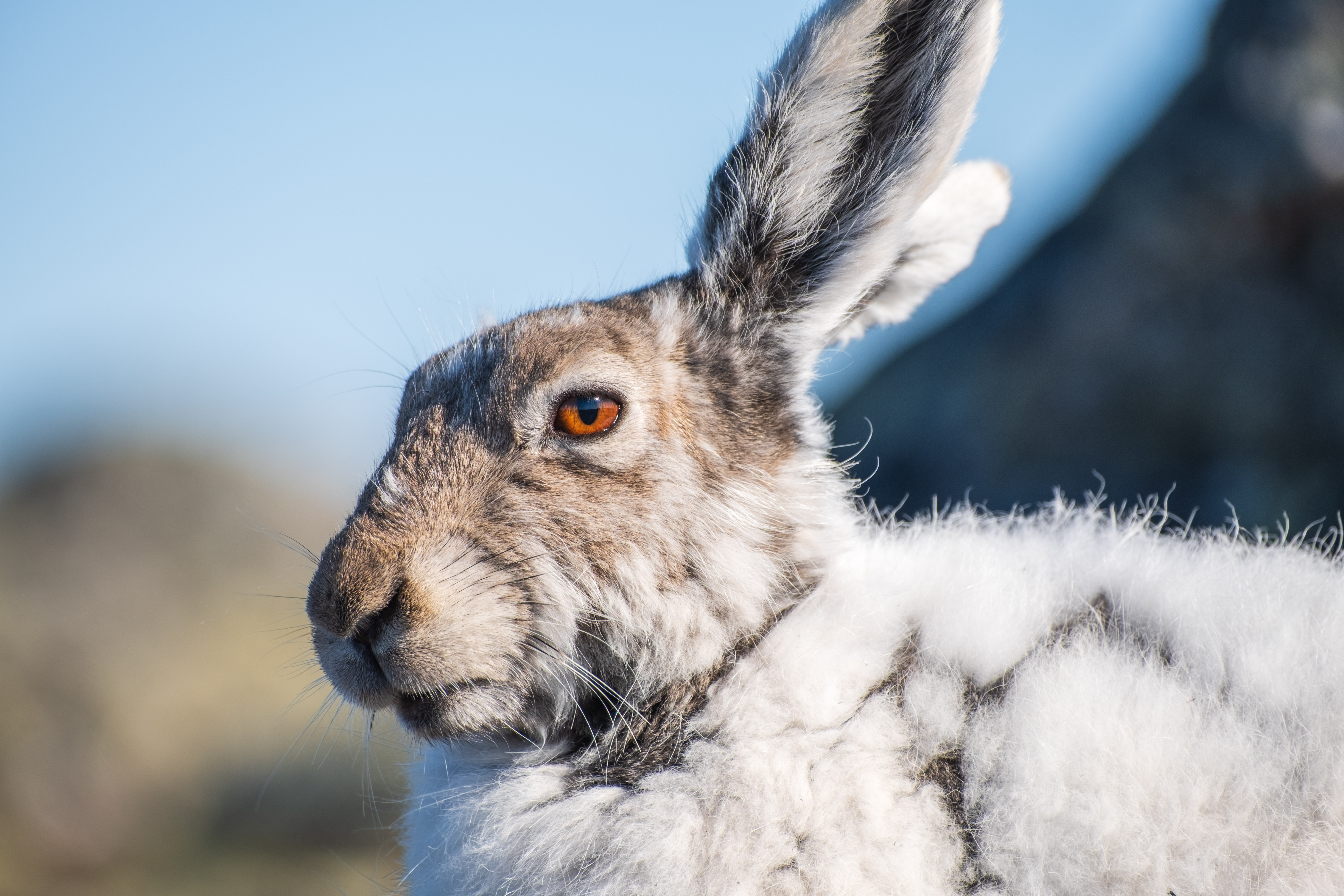
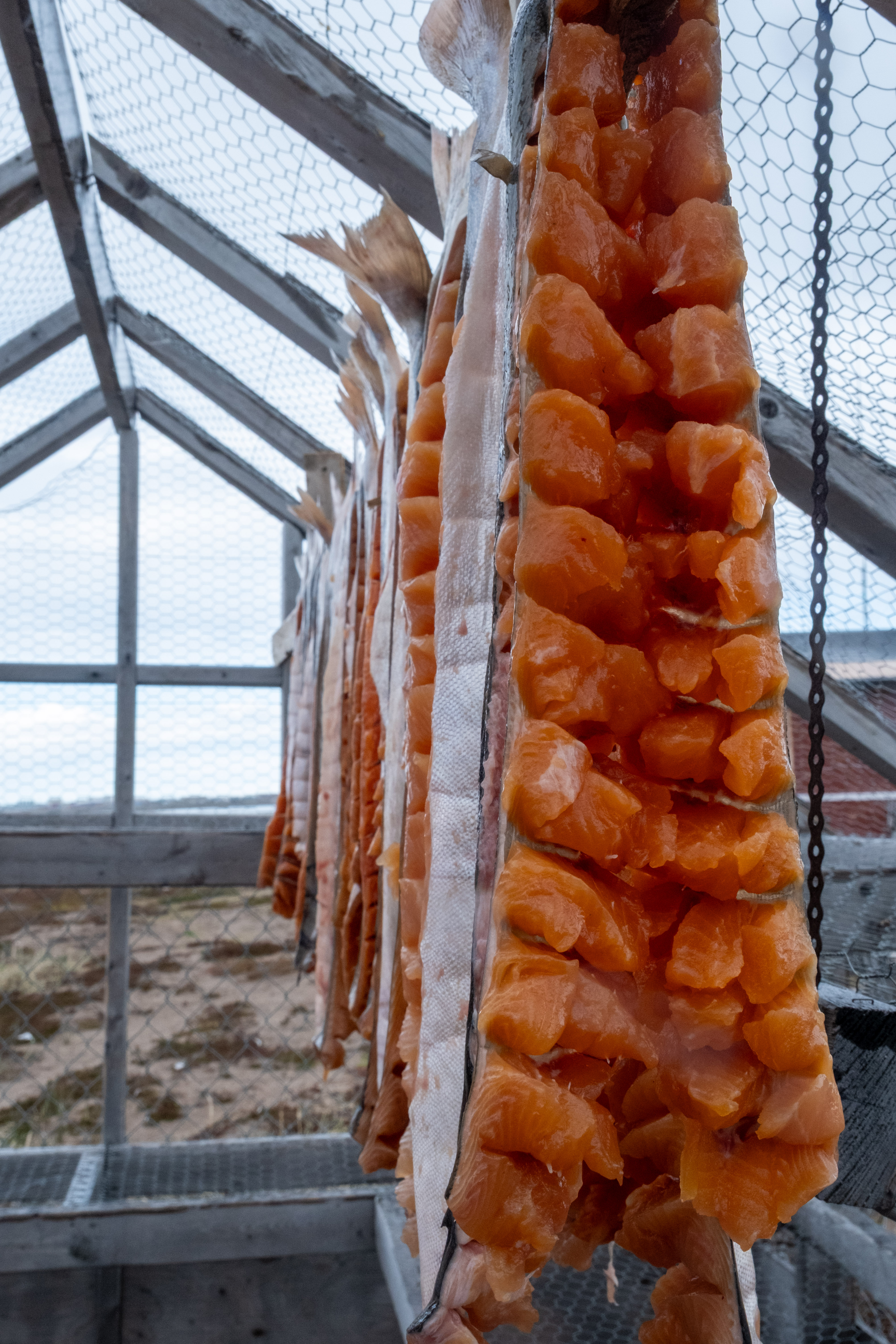
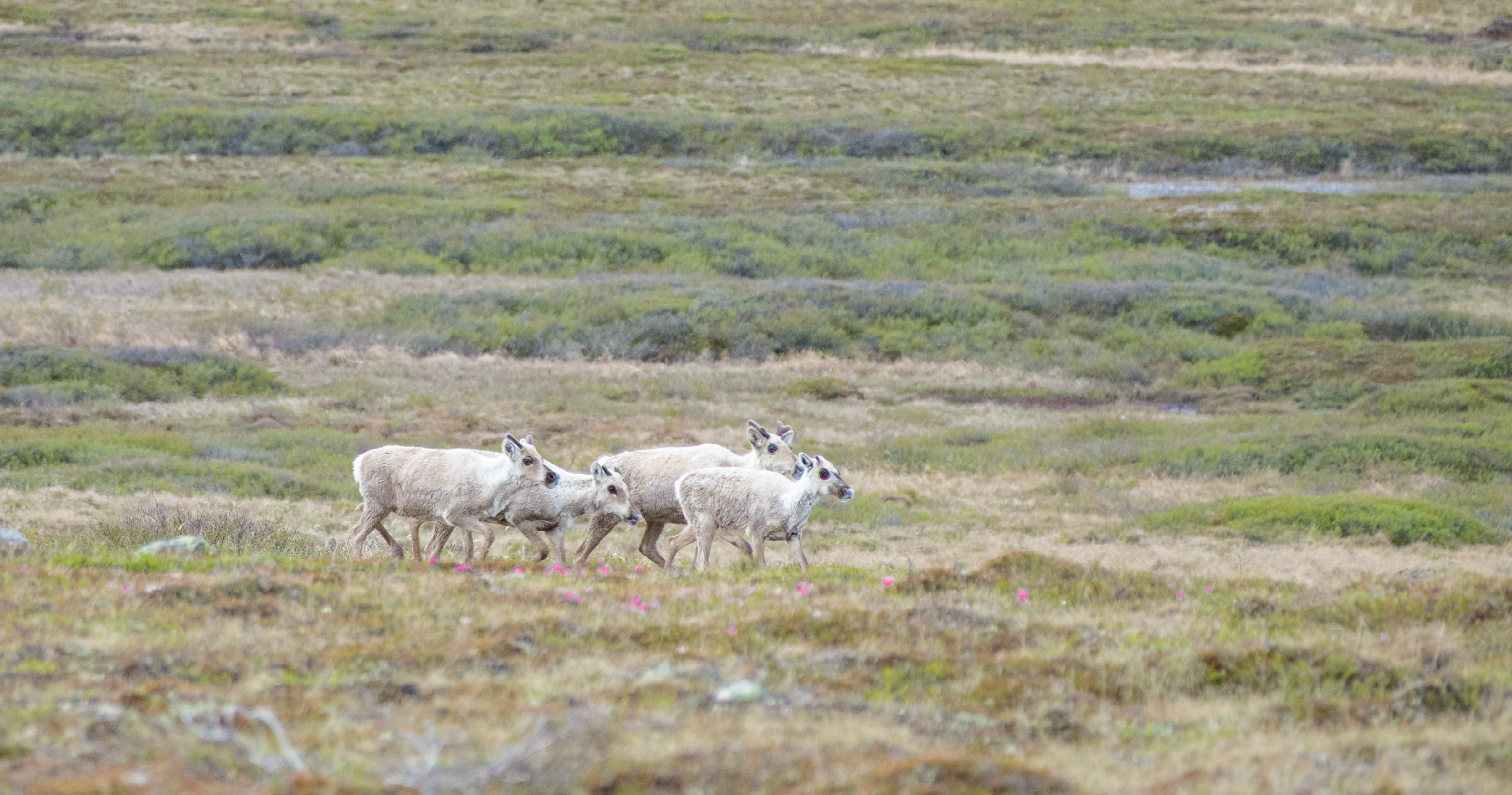
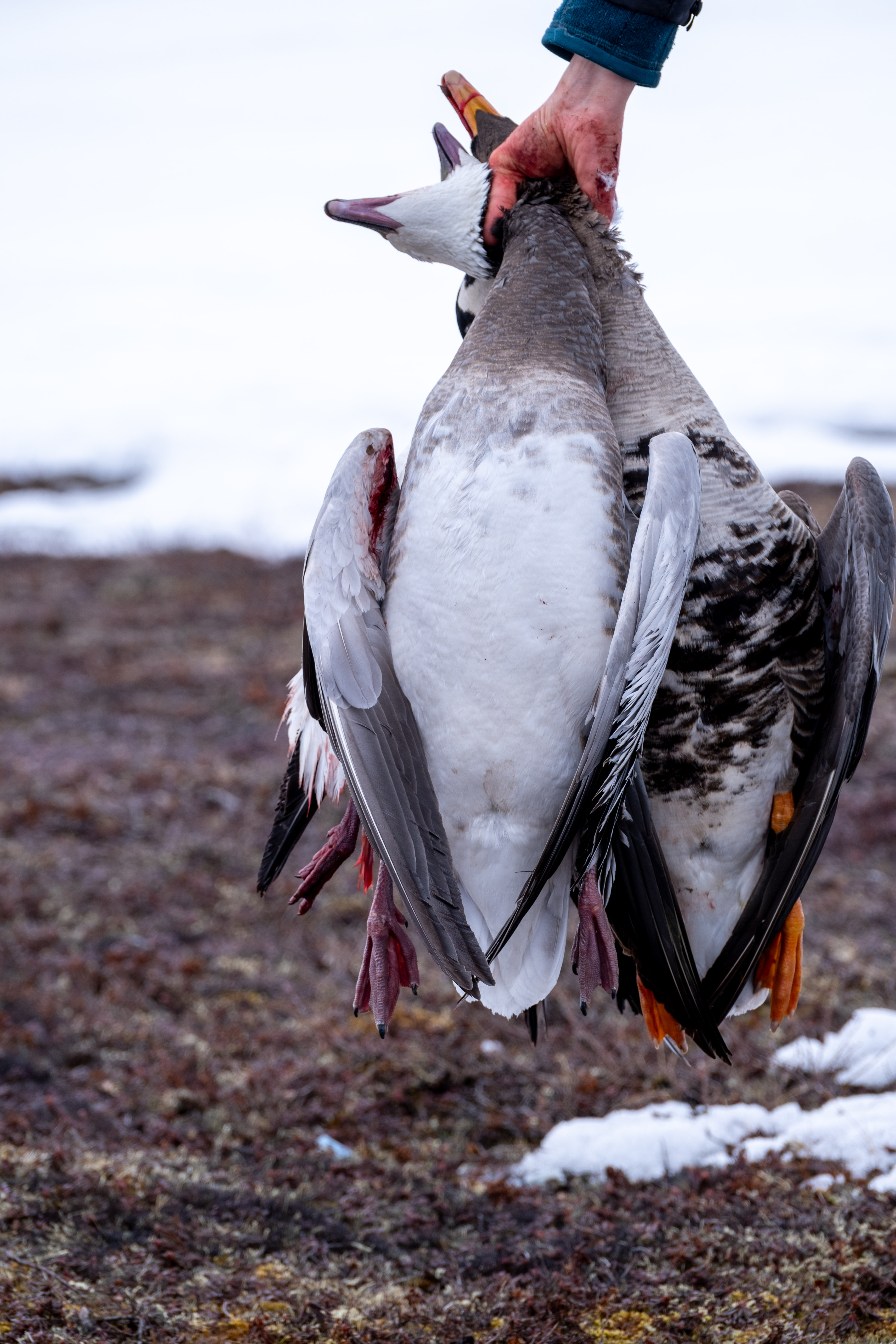
Photos by Léna Bureau
 StraightUpNorth.ca