
Trip summary by: Natalie Carter, Rowan Harris
Arviat, Nunavut (July 28 – August 28, 2024)
All photos by: Natalie Carter, Rowan Harris
Purpose of Visit
Natalie Carter (SUN Team Community Engagement Lead) travelled to Arviat, Nunavut between July 28 and August 8, 2024 to work with Aqqiumavvik Society, Canadian Wildlife Service (Prairie Region) staff, and youth enrolled in the Young Hunters Program as part of our CIHR Goose Project. Rowan Harris (SUN Team Masters Student) travelled to Arviat between August 3 and 29, 2024 to work with Aqqiumavvik to learn from Arviarmiut about the indicators used to identify if a goose is healthy.
Together we:
- Banded over 2000 Snow, Ross’s and Cackling Geese;
- Reflected on our banding experiences and lessons learned to apply in future years;
- Refined our project evaluation framework, research and results sharing plans, and began planning for our fall 2024 Aajiiqatigiingniq (collaborative analysis) workshop;
- Hosted discussions to learn more about what young people need to know to determine if a goose is healthy and what Arviarmiut look for to decide if a goose is healthy or not; and
- Raised awareness about our project.


Goose banding
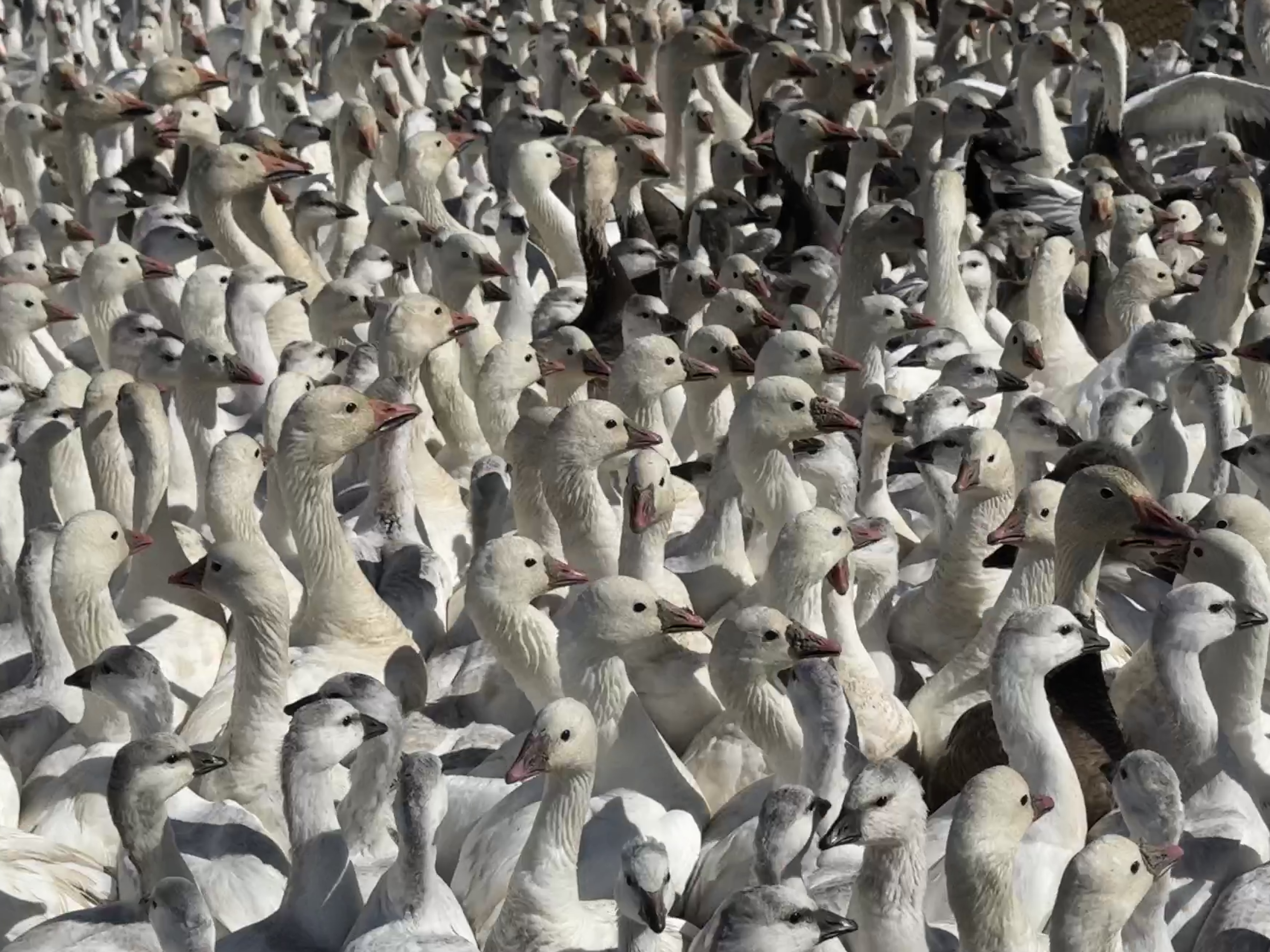
Banding is the main monitoring program for Snow, Ross’s, and Cackling Geese across North America and is conducted each year in Nunavut. Banding is important for harvest management, and for understanding the status of the international goose population. Historically, Canadian Wildlife Service (CWS) banded geese near Arviat but stopped in the mid-2000s when a different site in Nunavut was chosen because additional species of geese could be banded there. In 2022, in collaboration with CWS, trained Young Hunters began reestablishing banding of Snow, Ross’s, and Cackling Geese around Arviat.
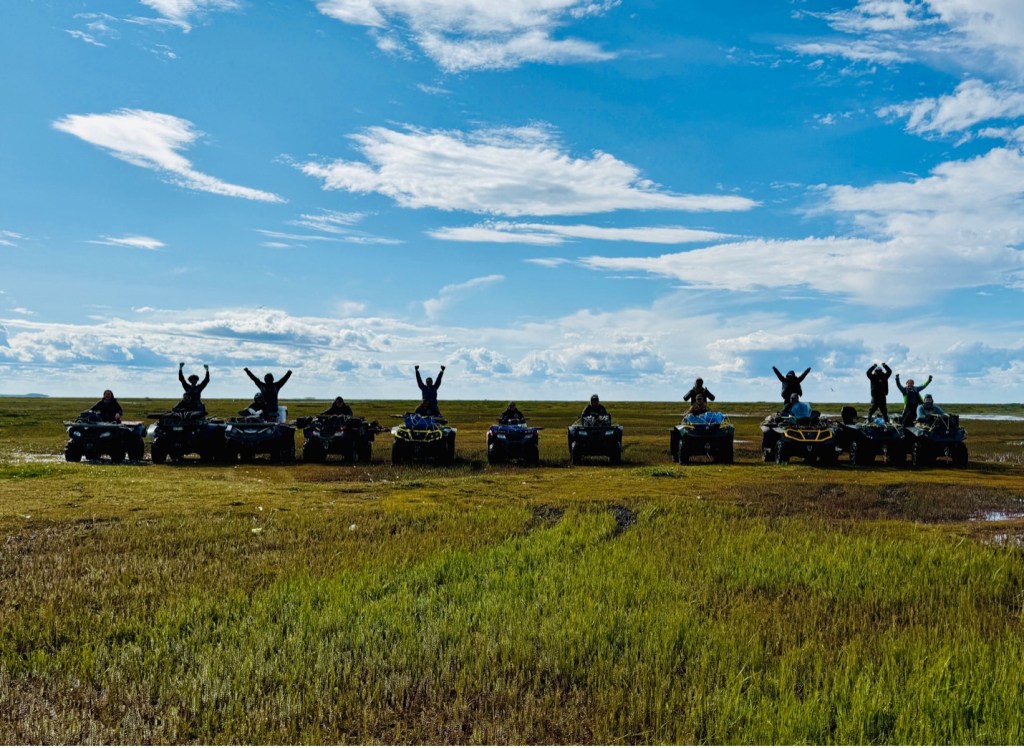
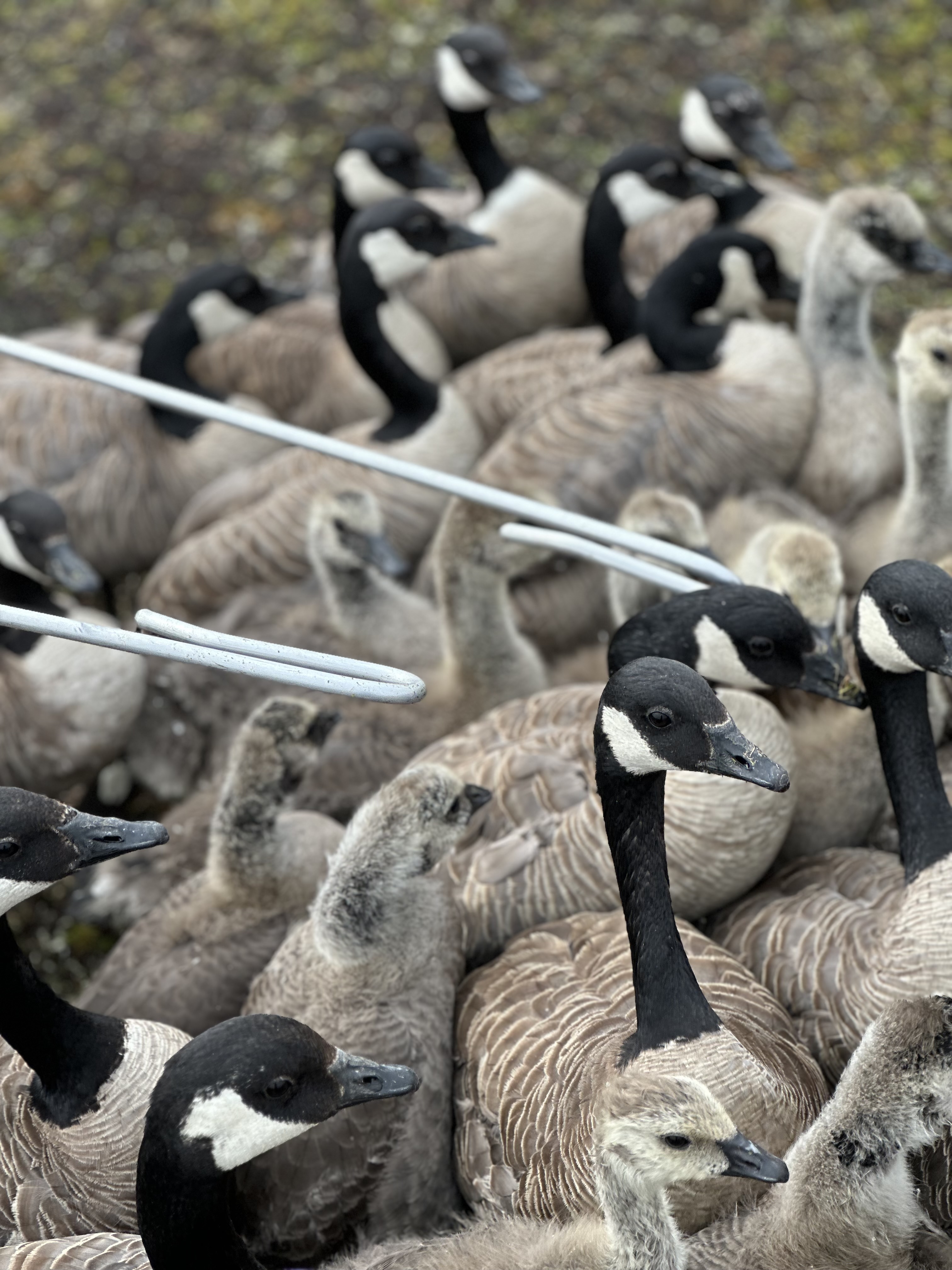
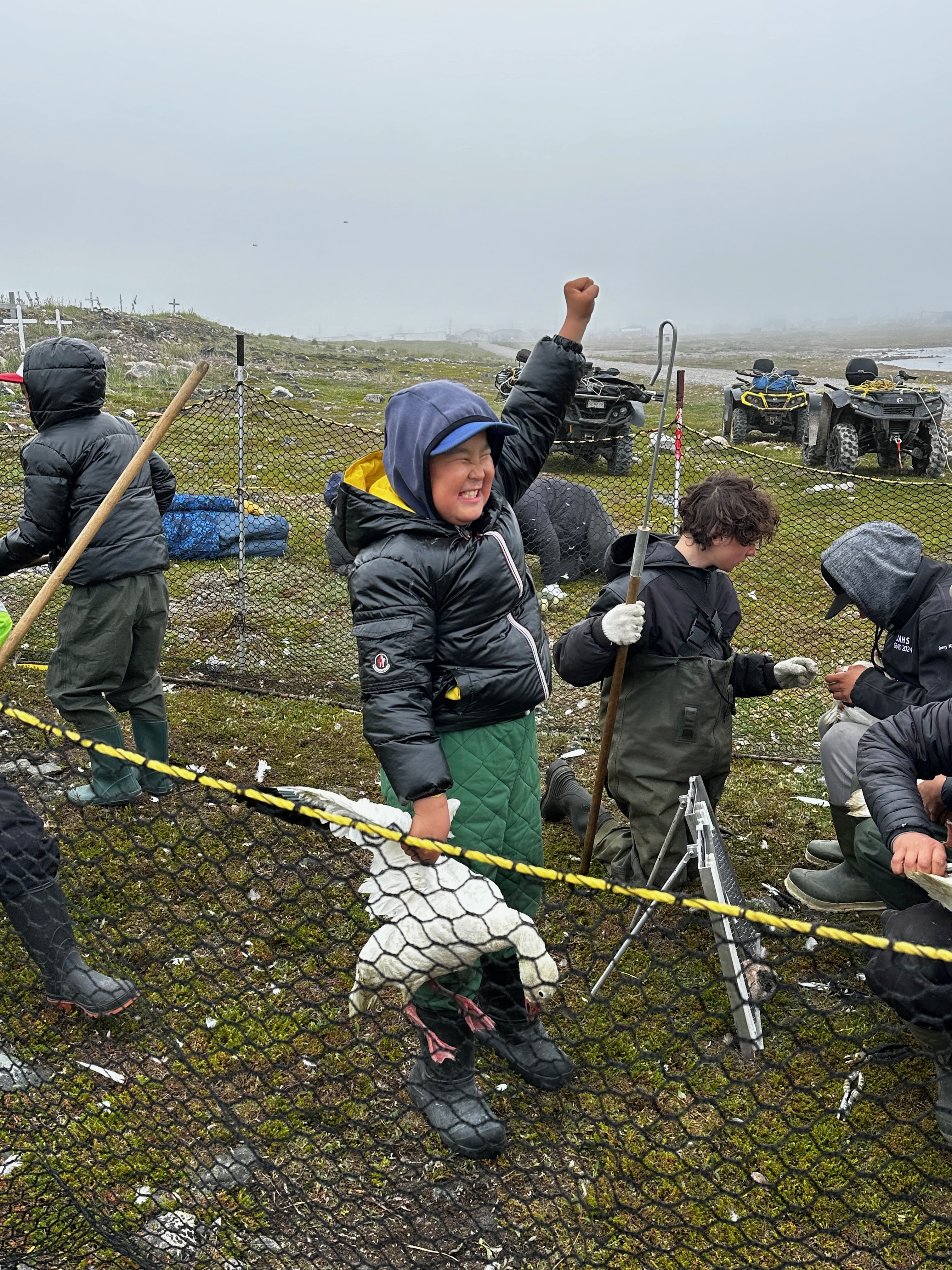
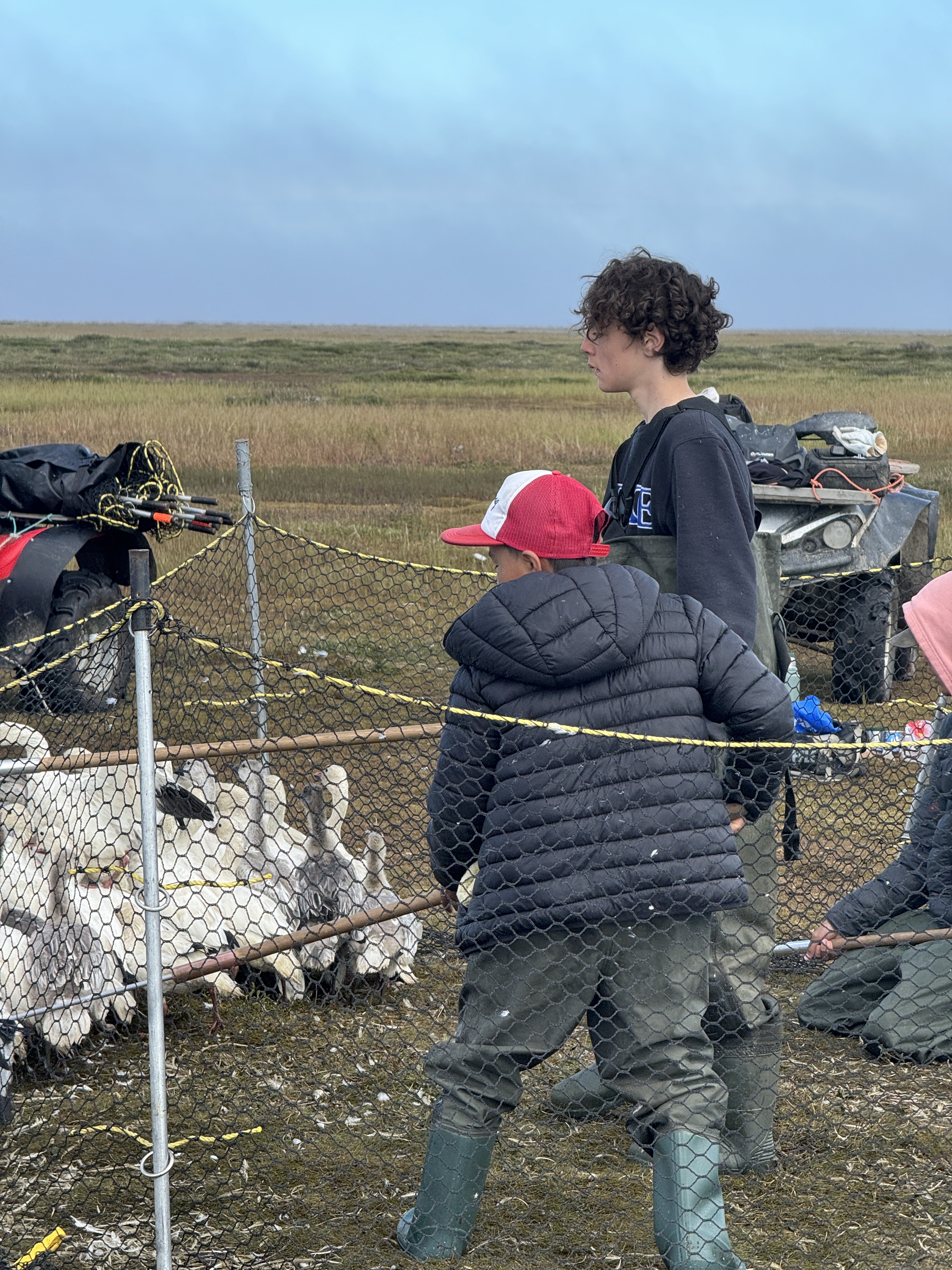
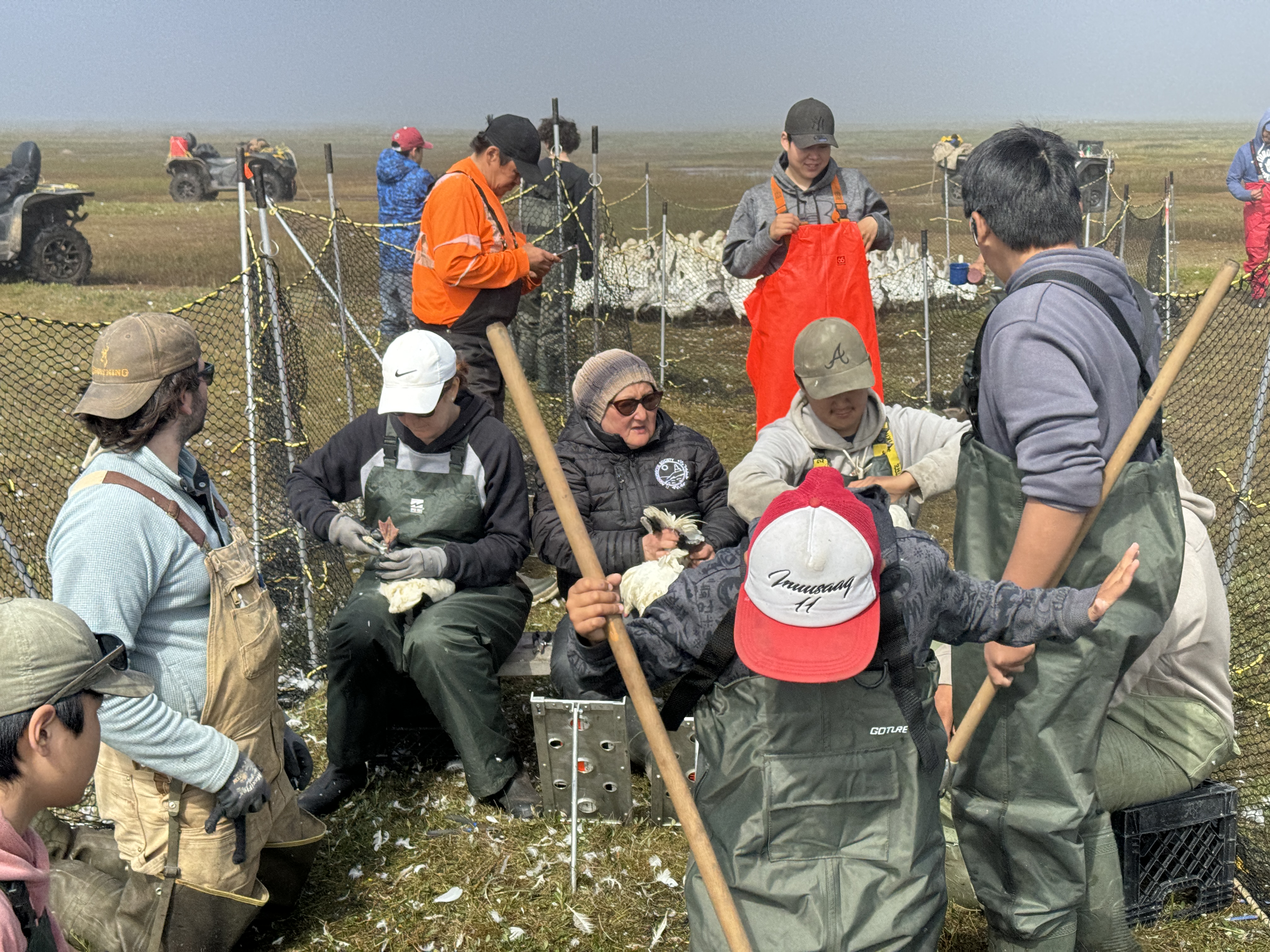
On all but one (rainy) day the week ofJuly 29 to August 3, after a hearty breakfast at Aqqiumavvik Society office and packing countless sandwiches, Mr. Noodles, smoked oysters and other treats into a grub box, a fleet of all-terrain vehicles (ATV) carrying our banding crew ranging from 12-17 people, left Arviat in search of geese. Our crew of one CWS technician, 3-7 Young Hunters, several Aqqiumavvik Society staff including a summer student, and Natalie travelled more than 140 kms. Together we banded over 2200 geese – goslings that had not yet learned to fly, and adults who temporarily could not fly because they were moulting (dropping and growing new) their flight feathers.
On ATVs loaded with nets, equipment, food, water, and people we splashed through creeks and small ponds, navigated thick black mud and vast stretches of coastal flats, following the western shore of Hudson Bay as we travelled further and further south each day. On our last day we reached Kuugaarjuk Migratory Bird Sanctuary and shared some good memories from our time there doing goose monitoring in June 2023.
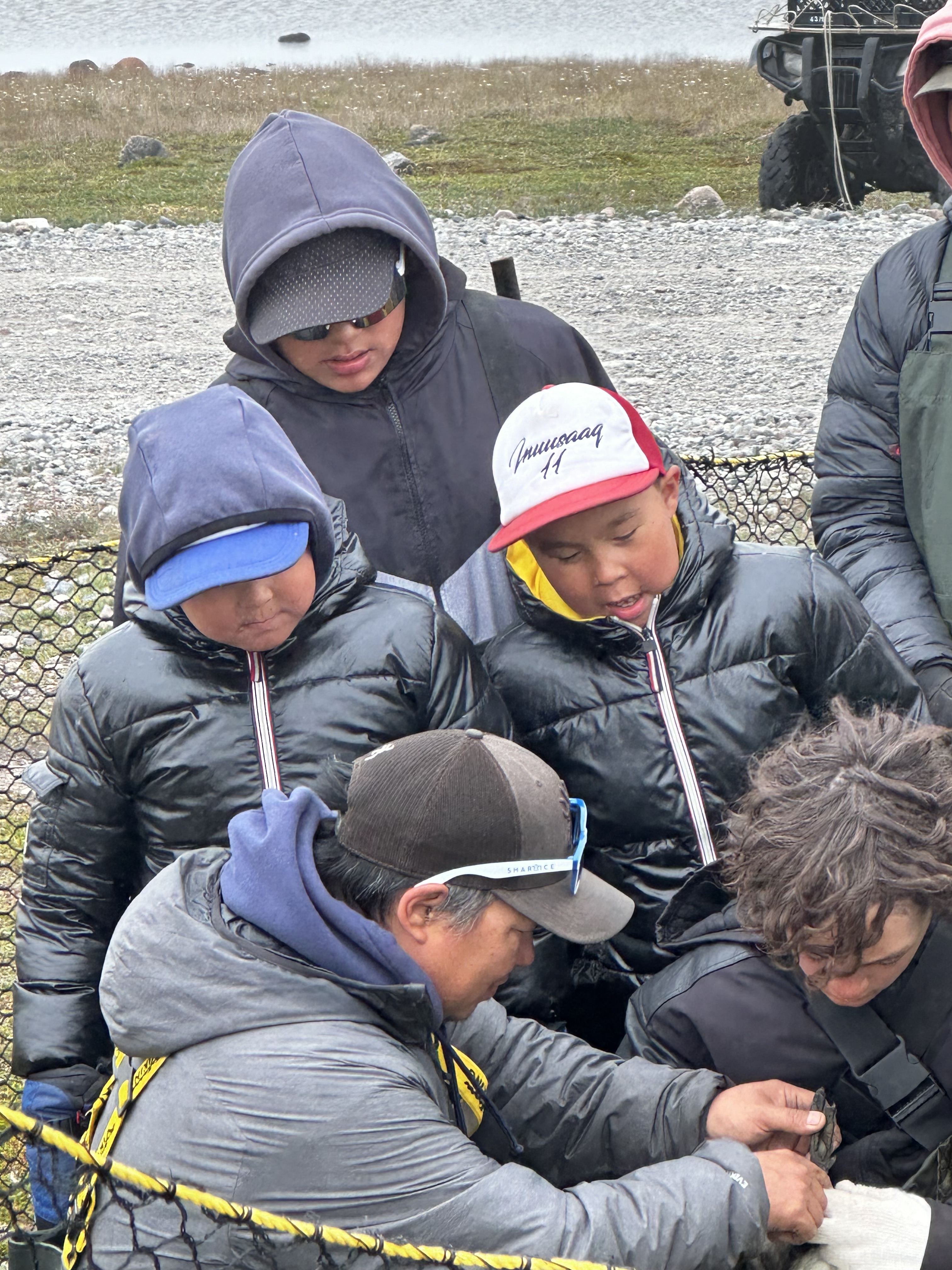
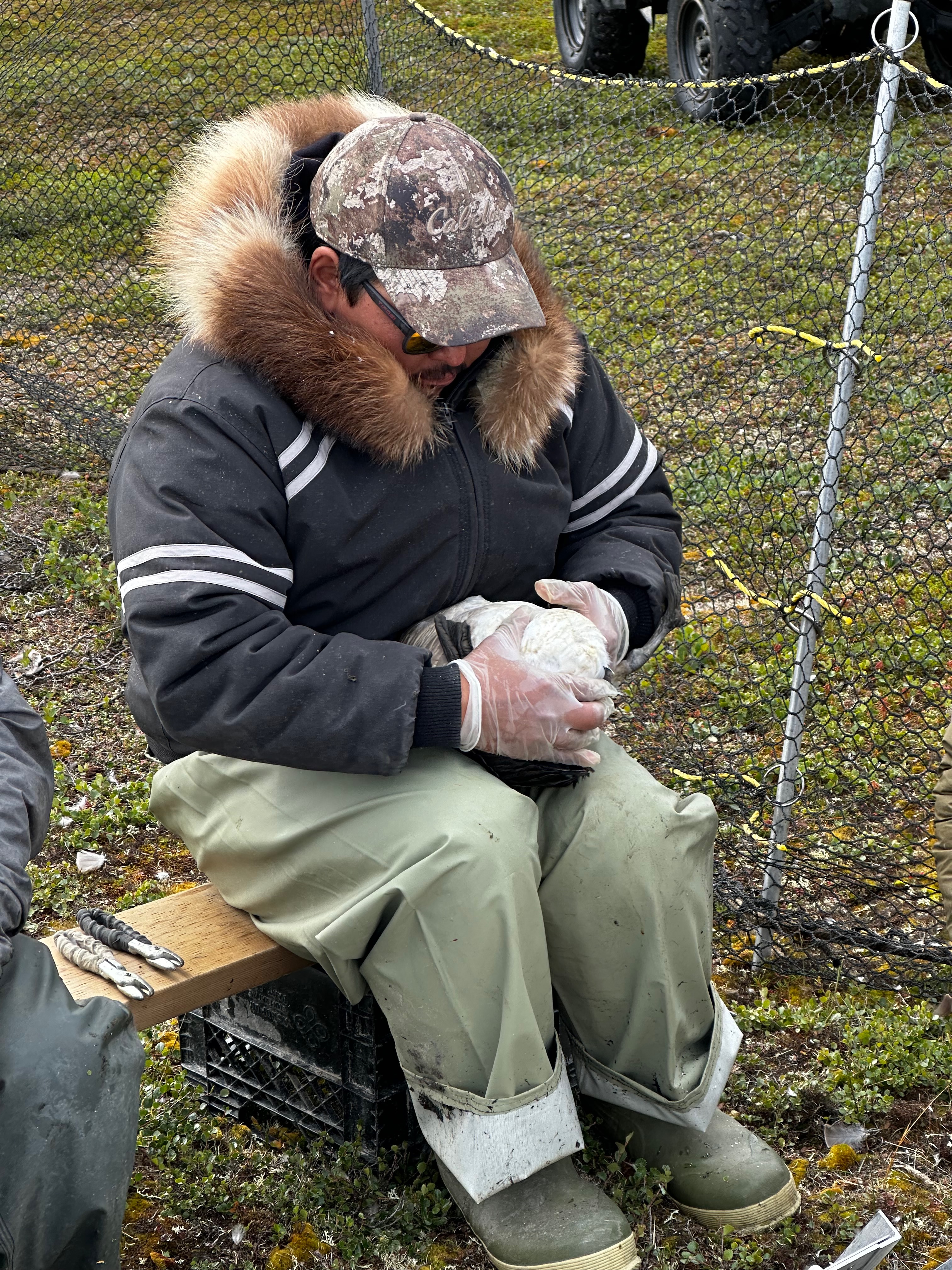
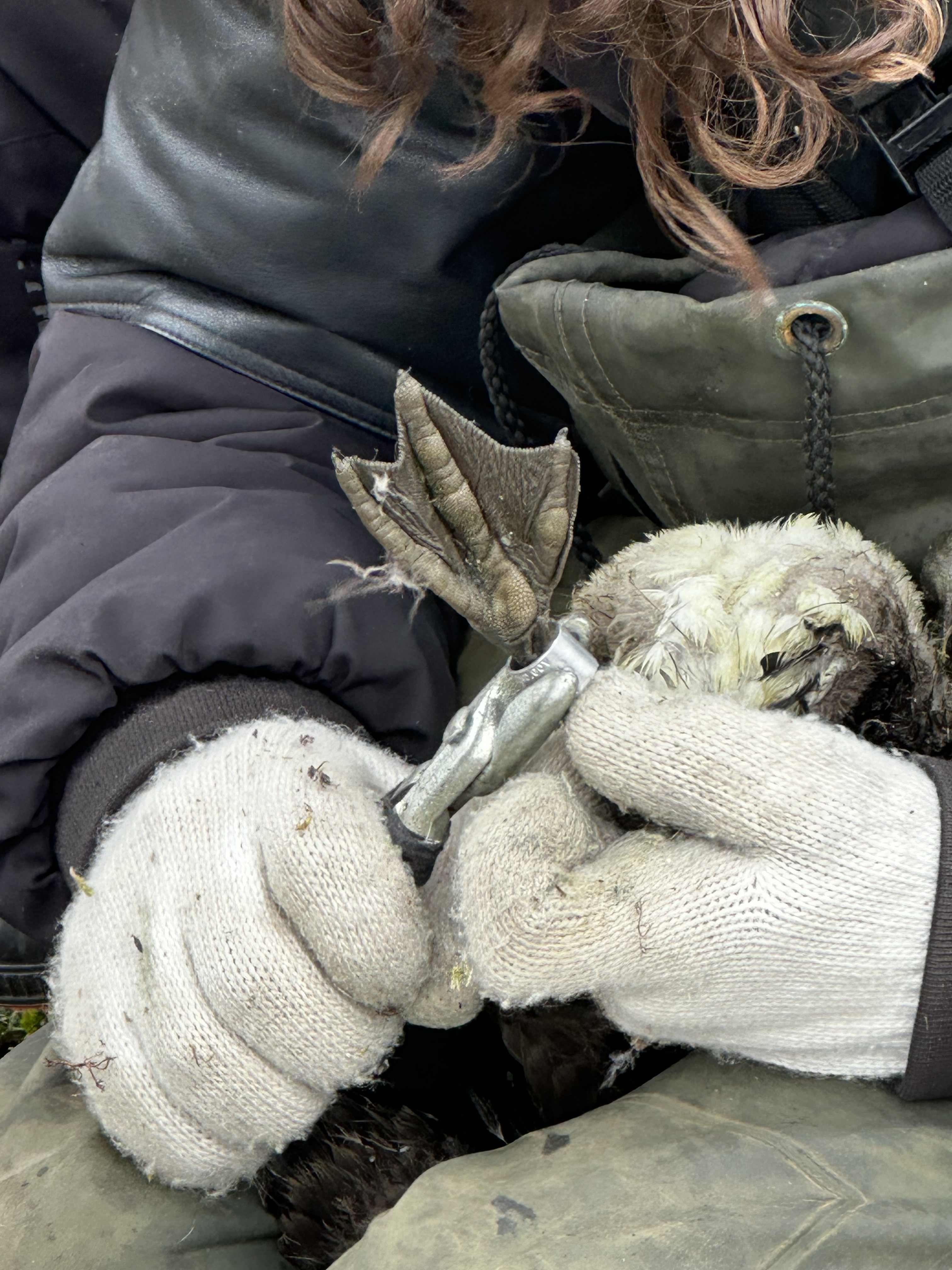
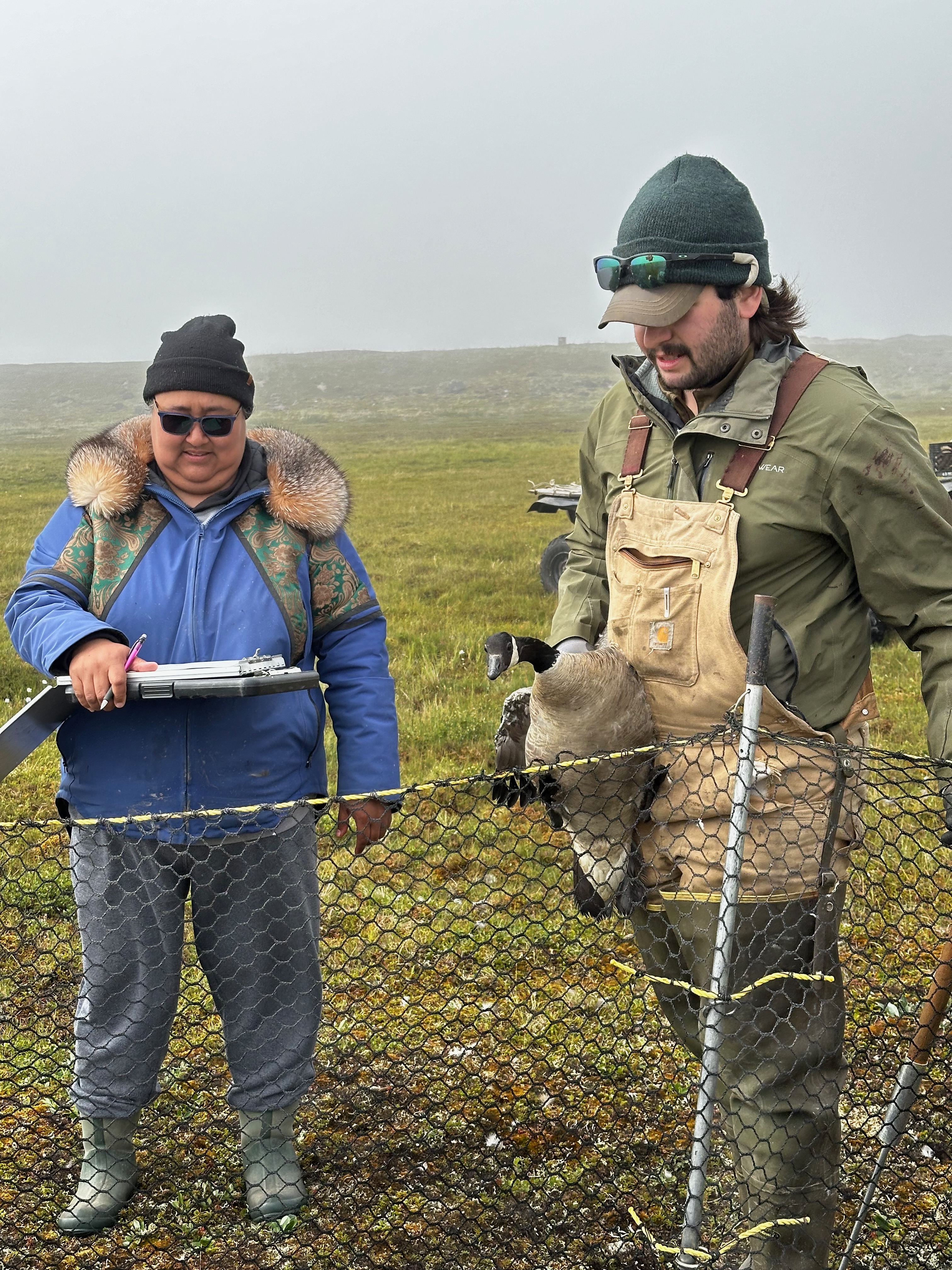
For each drive (or group of geese) Darryl Baker and Jimmy Muckpah (Aqqiumavvik Society) and Owen Andrushuk (CWS), spotted a group of geese – a difficult job most days due to thick fog and limited visibility. They then directed the whole team in herding the geese into a mobile semi-circular net frame with poles. This is a modern version of Inuit walking flightless geese into pens made of piled rock. Then, rotating teams caught one goose at a time with a long-handled hook that they gently placed around the goose’s neck and handed the goose to the banders who: 1) tucked the goose’s head under its wing naturally calming the geese, 2) set the goose upside down on their lap, 3) determined the sex by looking at the cloaca – an opening under their tail, and 4) applied a metal band to each goose’s right leg using pliers. Other team members monitored the geese to make sure they didn’t trample each other and released small groups of goslings and adults together for protection from predators such as foxes and gulls. Yet others kept records about geese being banded: species, age (adult or gosling), sex, band number, brood patch (a patch of featherless skin on the underside of geese due to females pulling out feathers to line their nest); and geese that already had bands (recaptures) from previous years. The oldest recapture we found hatched in 2010 or earlier making it at least 14 years old! At the end of each day Kukik Baker (Aqqiumavvik Society) videoed a ‘comment of the day’ – with each team member sharing a thought, then we returned to Arviat to post photos and updates on the Aqqiumavvik Facebook page; wash off a layer of dust, mud, and goose poop (it’s a messy, stinky job); and get ready to do it all again the next day.


Reflections and Lessons Learned
Partway through banding, we gathered to discuss our experiences. Shirley Tagalik (Aqqiumavvik Society) facilitated a group reflection about: 1) what we set out to do, 2) what we enjoyed the best, 3) the hardest things about banding, and 4) things to incorporate next year when banding. Many people reflected, shared and built on others’ thoughts. Listing ways to make next year’s banding even more enjoyable (gloves, camp chairs, better board to hold the bands), and efficient (organize into teams, ongoing training, equipment preparation) included things we would keep the same that worked well (having a 2-net system – one to hold geese and one to band in, having teams).
Reviewing and planning
Shirley, Kukik and Natalie met a couple of times to collectively refine our project evaluation framework, develop research and results sharing plans, and begin planning our fall 2024 Aajiiqatigiingniq (CIHR team collaborative analysis) workshop and brainstorm a list of abstracts to co-develop for the 2024 ArcticNet Annual Scientific Meeting. We also met with Rowan remotely (since her flight to Arviat was delayed) to finalize plans for the coming week when Rowan would begin meeting with Arviarmiut to learn about goose health indicators (see below).
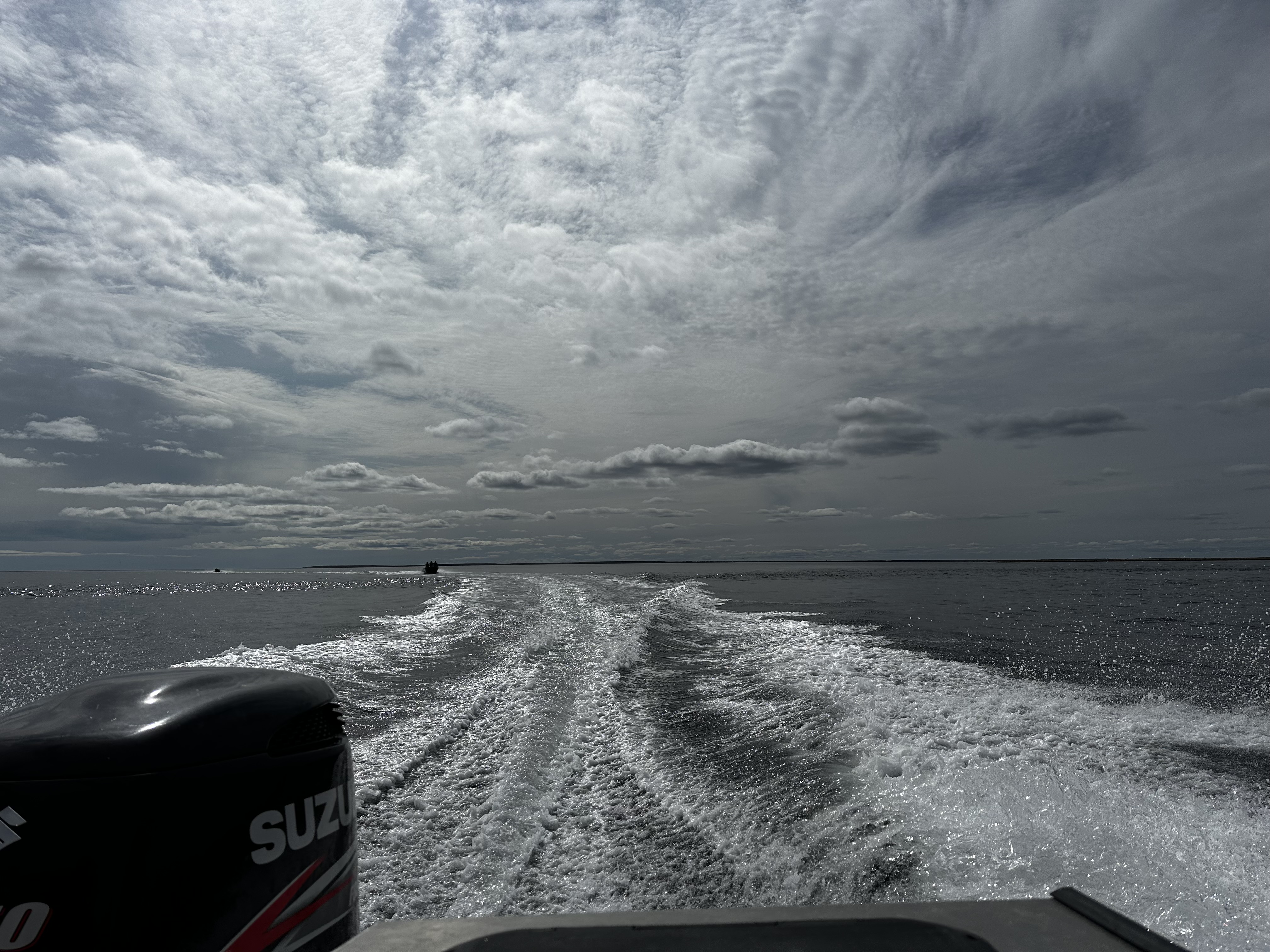
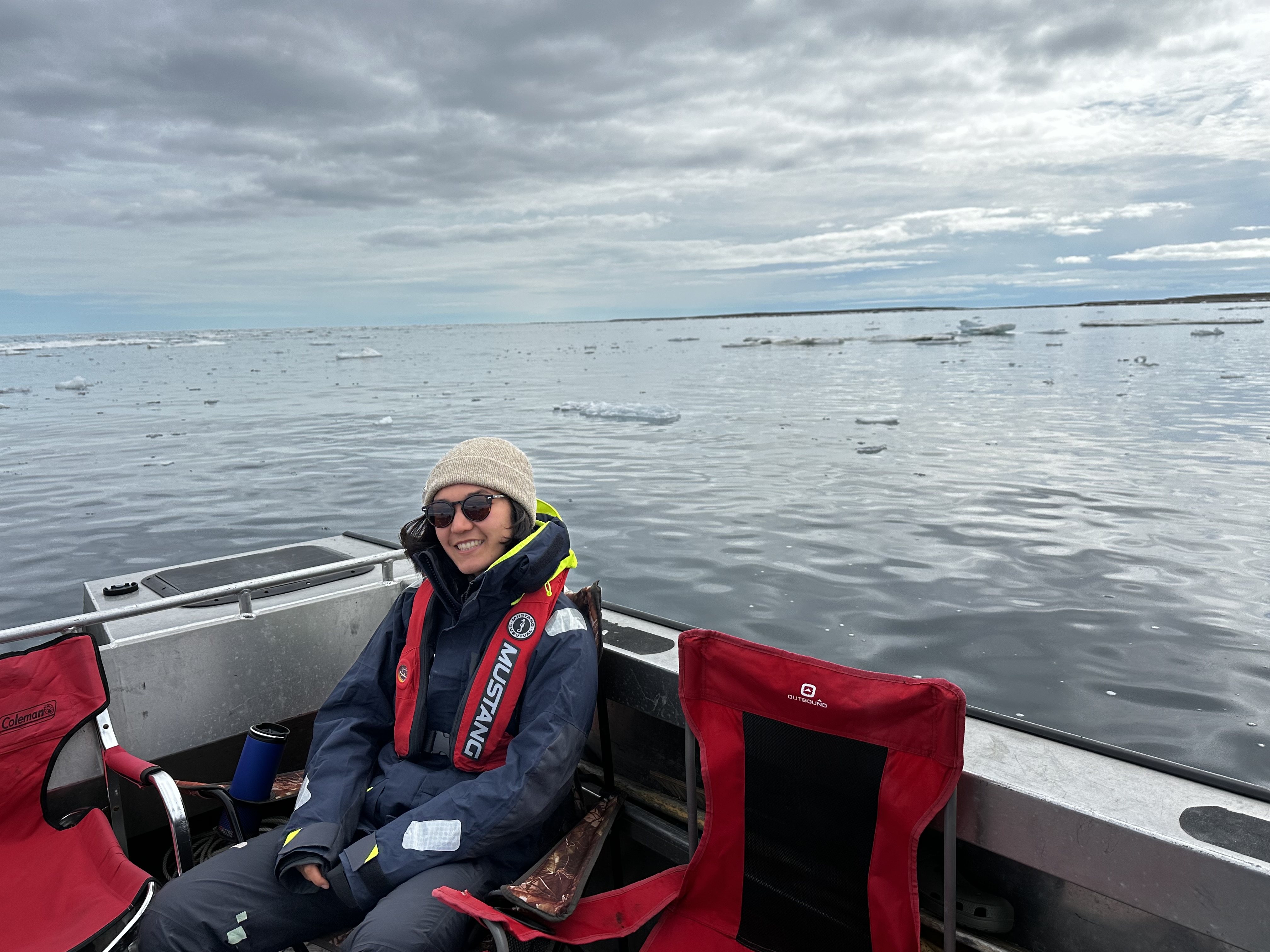
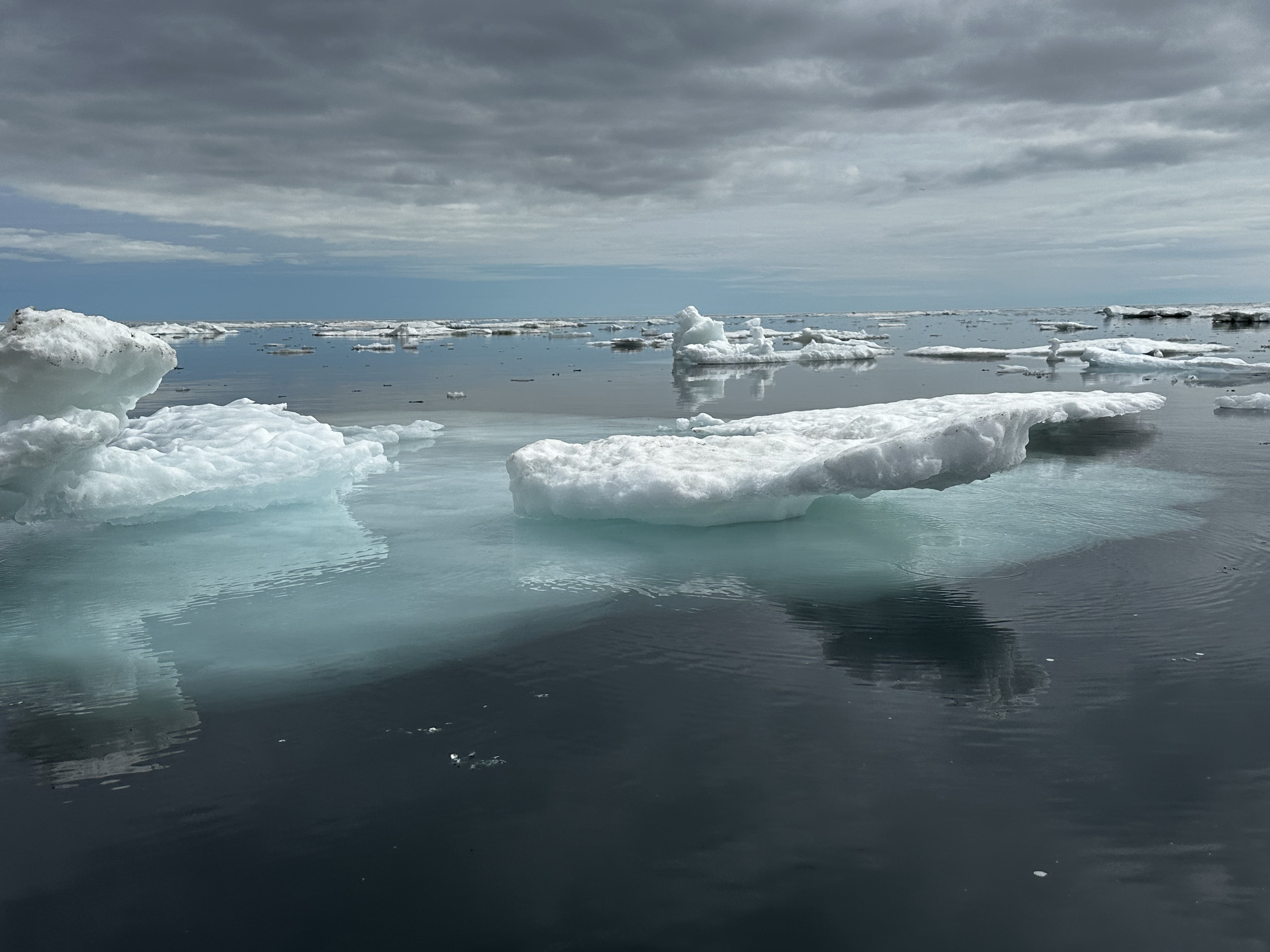
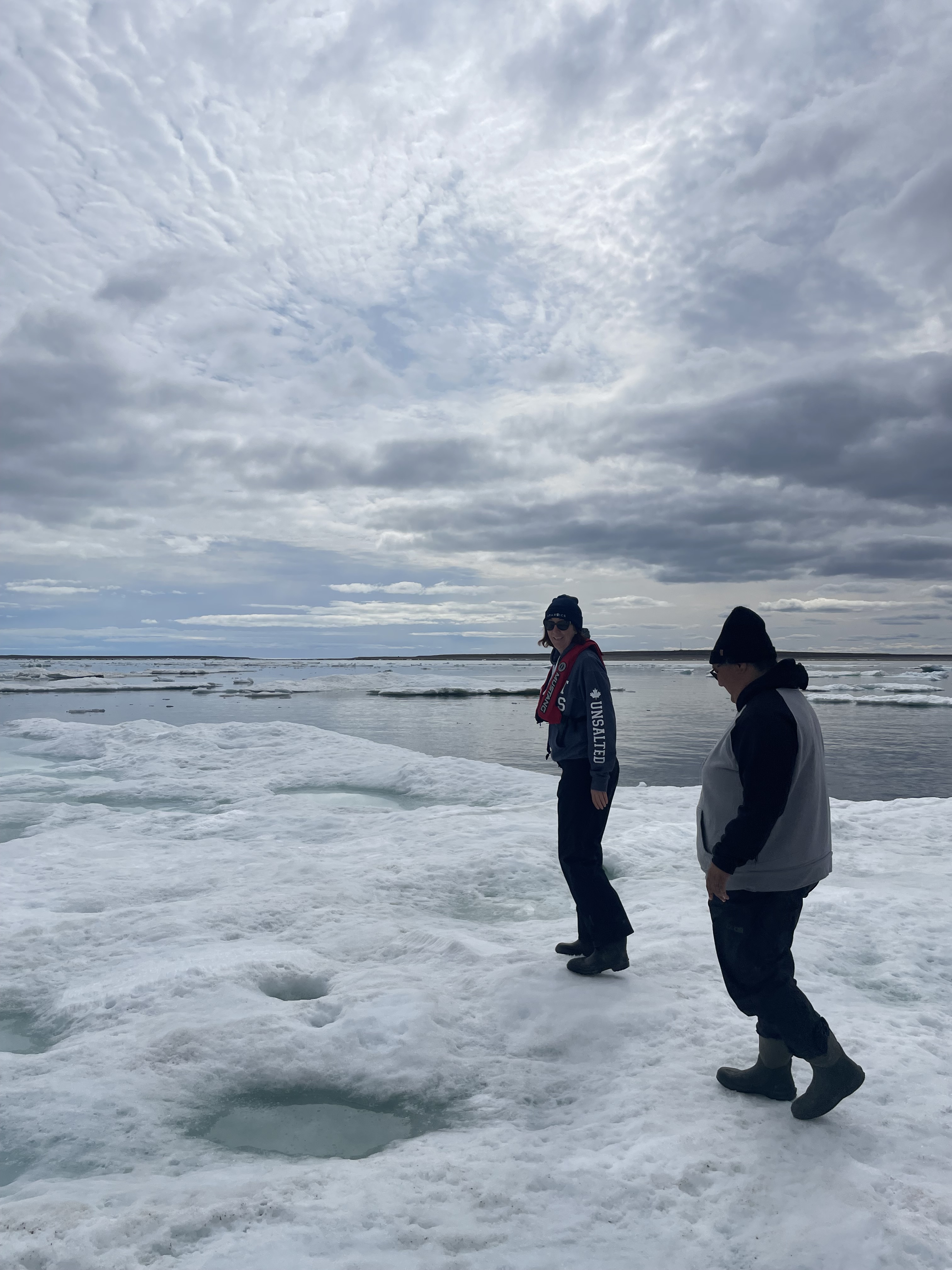
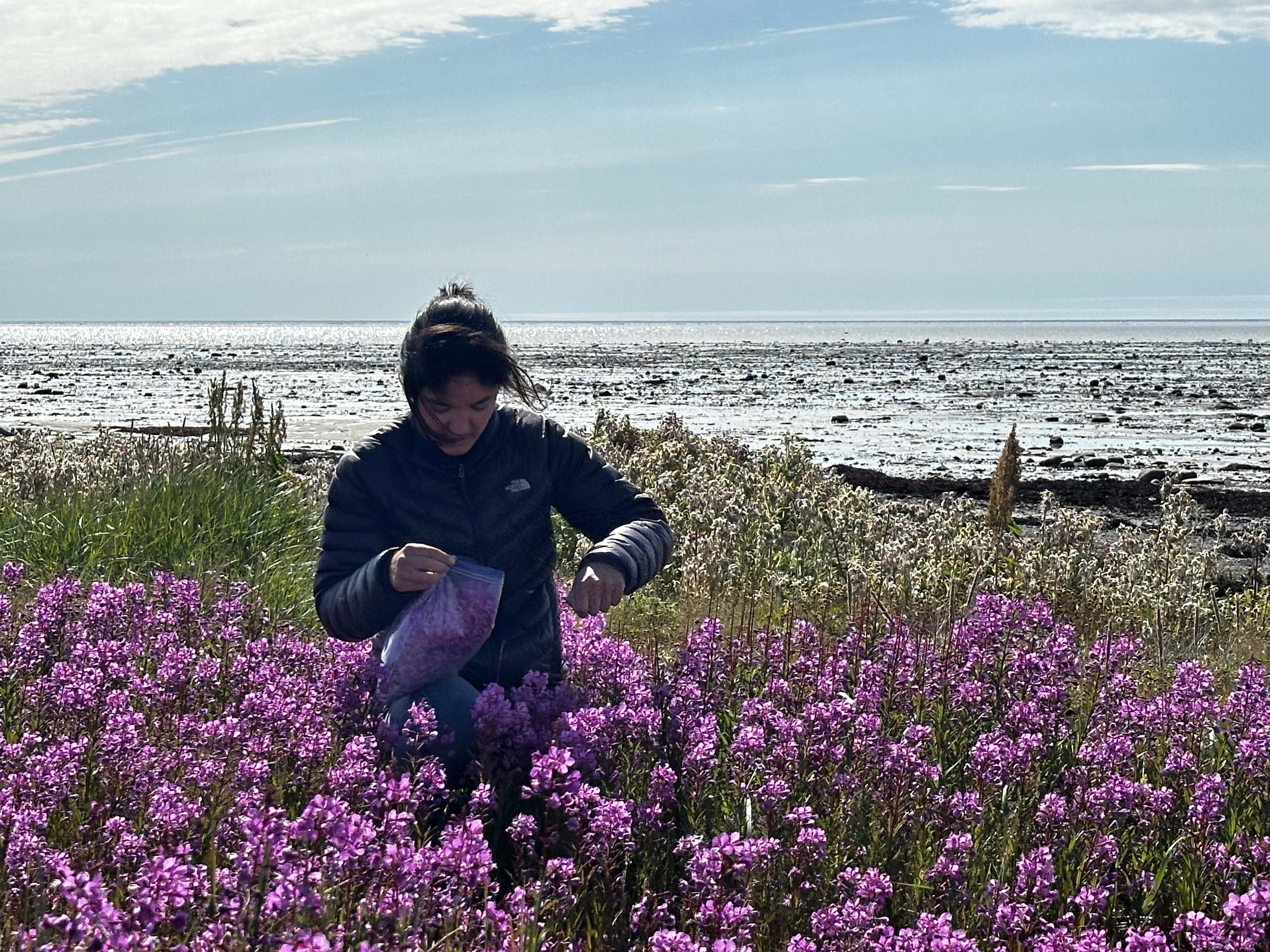
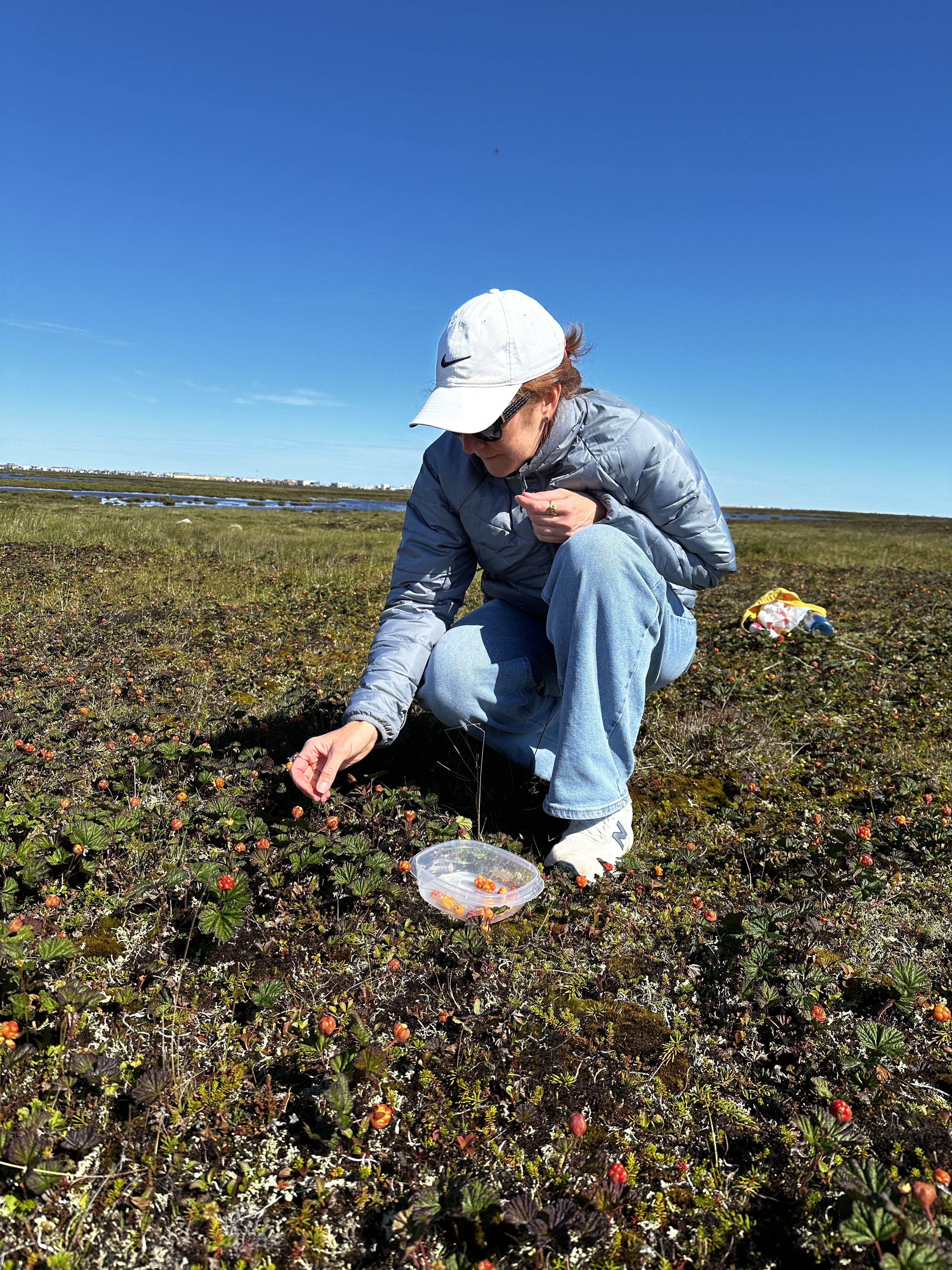
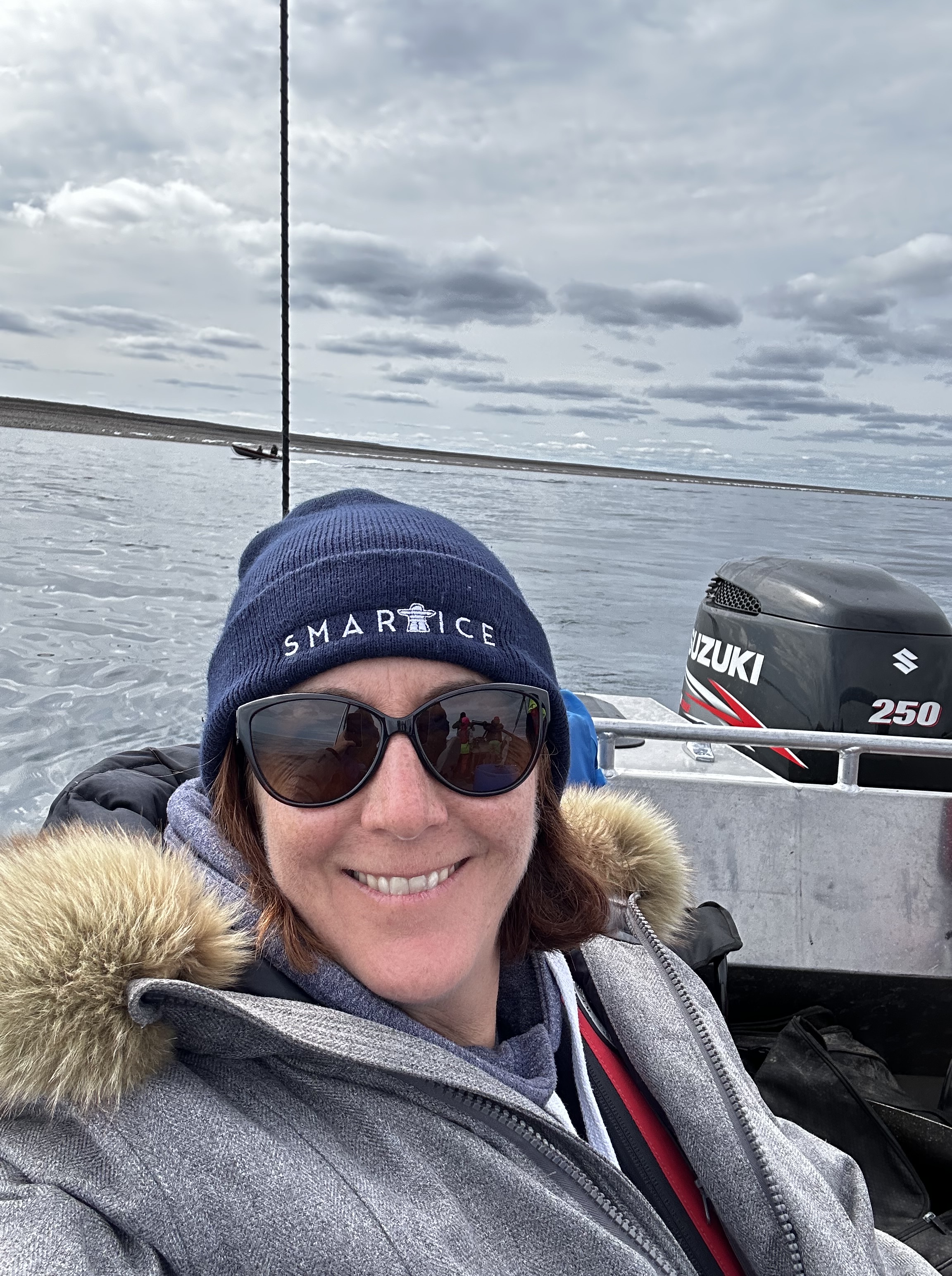
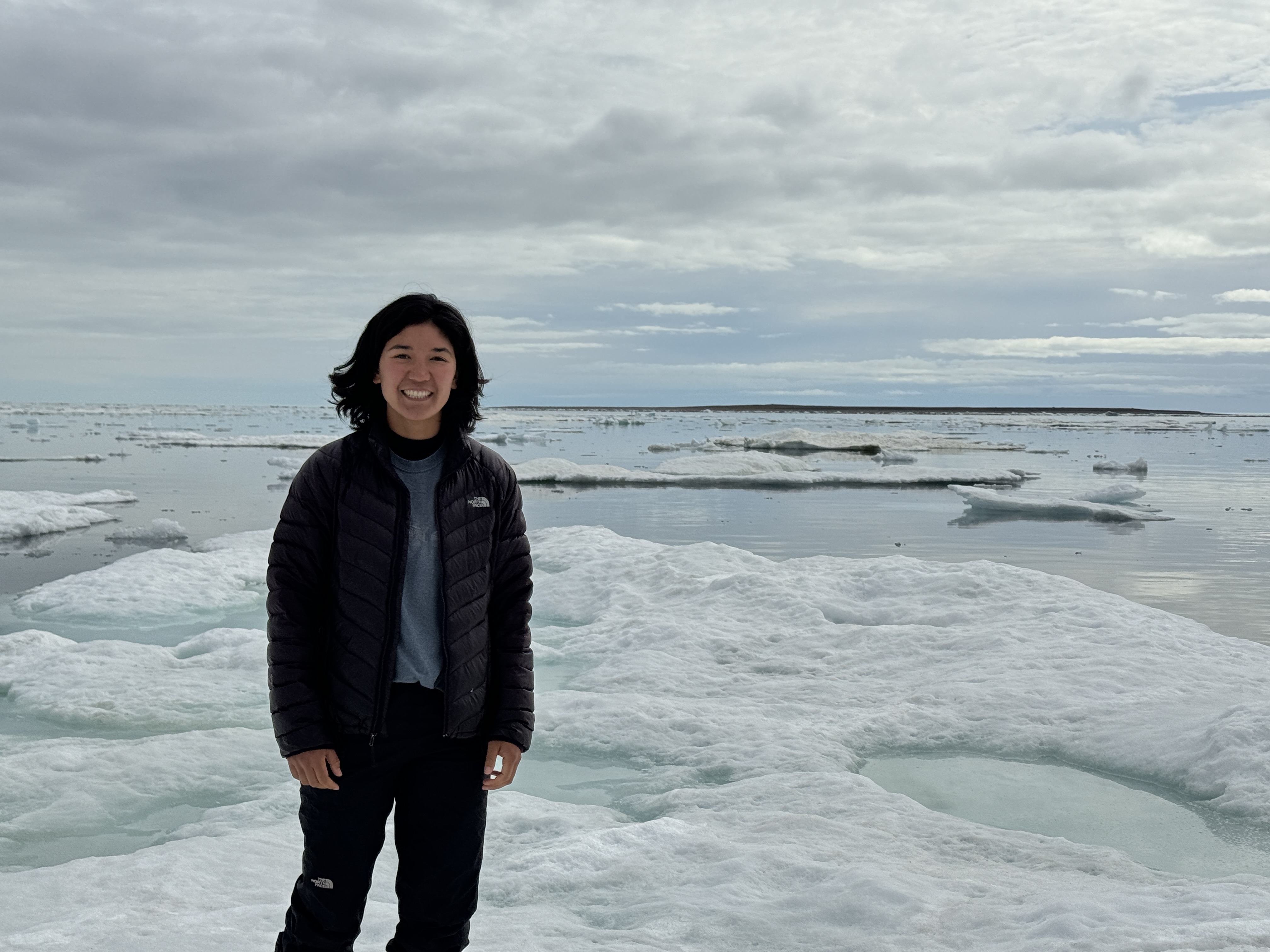
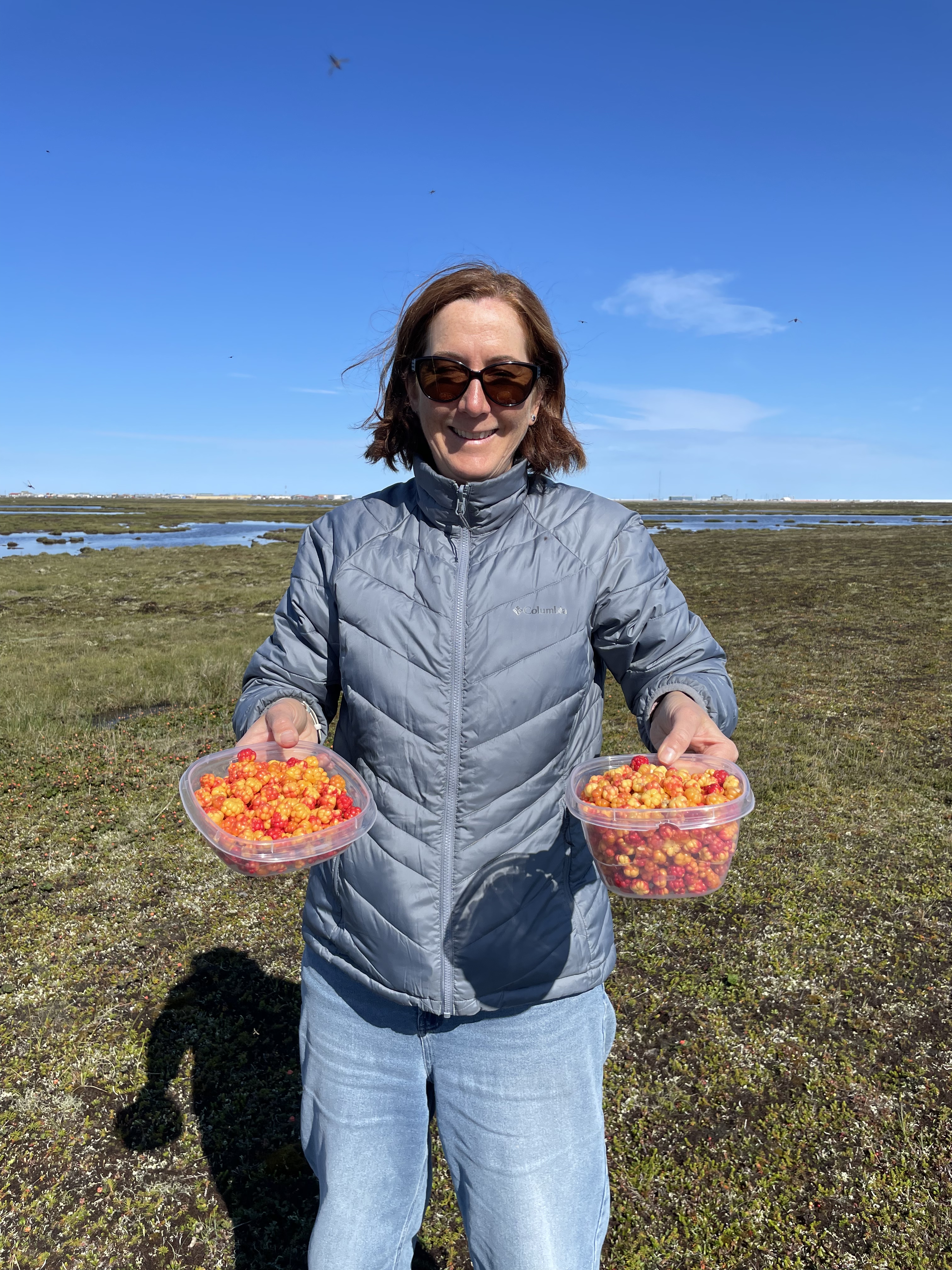
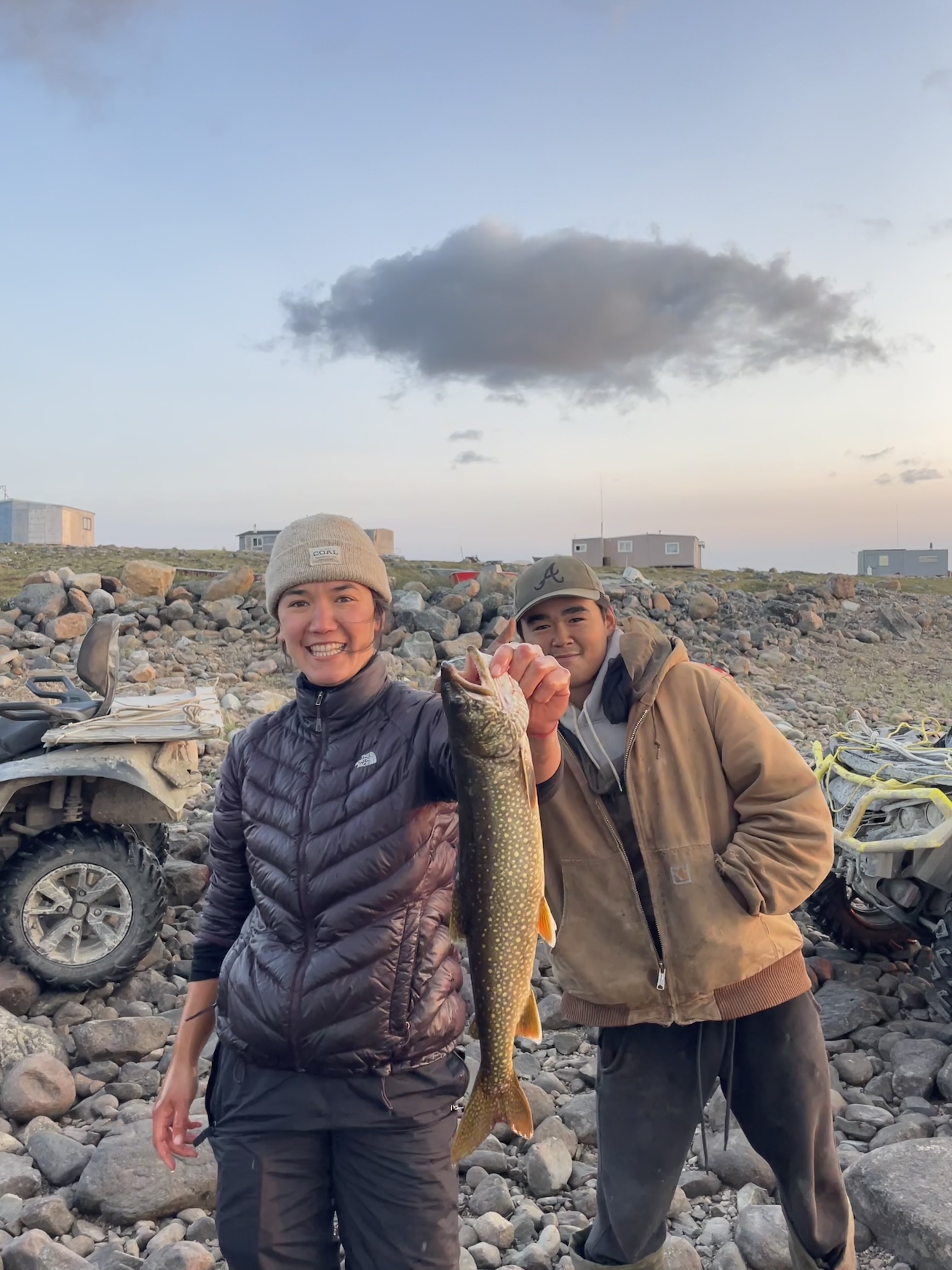
We also went ATVing, boating, and cloudberry and fireweed picking. Our boating experience was particularly exciting as we witnessed up close the rare (not even Elders can remember it happening in their lifetime at this time of year) sight of ice pans choking Hudson Bay. Eating freshly caught char – raw and panfried – was a real treat as was getting to observe char fishing and seal hunting.
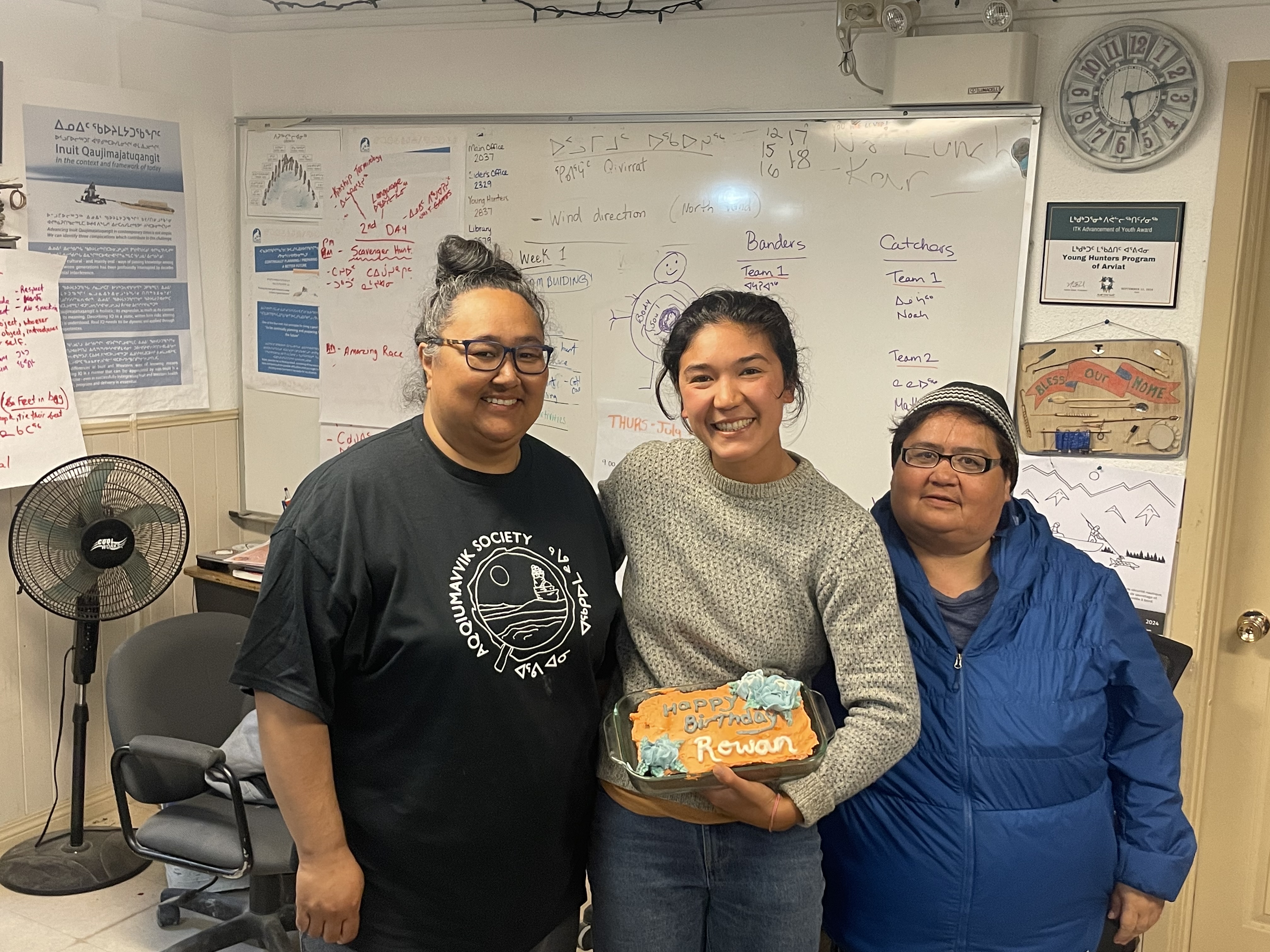
Spending time on the land (which includes water and ice) together, working and eating and travelling together, new friendships were made and existing relationships strengthened. We laughed, talked, learned from and taught each other, shared ideas, asked questions, problem solved, strategized, supported each other, and became more and more efficient as a team. The Young Hunters and new-to-banding Aqqiumavvik staff mastered the techniques of herding, catching, and banding geese; observing, listening, paying attention, problem solving and above all persevering and doing it over and over and over and in the process became experts.
Raising awareness
After each day of banding Kukik and Natalie shared their photos and videos with each other, then Kukik posted them on the Aqqiumavvik Society Facebook page. This is how we updated the community about our work, how it was going, and our achievements. Kukik also made a fun TikTok video out of the first ‘comments of the day’.
We also updated our Research Advisory Committee, sharing information about our past monitoring and banding, and about our experiences last and this year.
Video Credit: Aqqiumavvik Society
Learning about goose health indicators
Working closely with Aqqiumavvik staff, Rowan met and discussed with community members to learn about how to identify a sick goose and to document Inuit ways of understanding goose health. Focus groups were held with Elders and hunters, and interviews were conducted with those who have experience hunting, preparing, and eating geese to learn from their experiences. People were eager to share their stories, including memories from an Elder who had participated in some of the first banding efforts in the 1960s. These exchanges were filled with laughter and learning as people remembered and reflected on their past hunting experiences. Through audio recordings of the focus groups and interviews, insights will be shared back with the community through Aqqiumavvik to help encourage more people to hunt and eat geese and to establish a monitoring system based on Inuit knowledge.
Matna
Thank you to Kukik Baker, Shirley Tagalik, and all the Aqqiumavvik Society staff, Young Hunters Program participants, and Elders who generously welcomed and hosted the visiting team members while in Arviat, on the land and on the water. Thank you to Shelton Nipisar and Janet Akat for help with communications as they interpreted between English and Inuktitut. Thank you to Kukik and Darryl Baker for sharing your time and delicious meals with us.
We are continually grateful for the warm welcome in Arviat and to all those who share their time and knowledge in contributing to this project.

 StraightUpNorth.ca