
Conducting One Health and Indigenous research in the tropical and cold regions
Written by Florence Mutua (ILRI) and Natalie Carter (McMaster University)
September 13, 2023
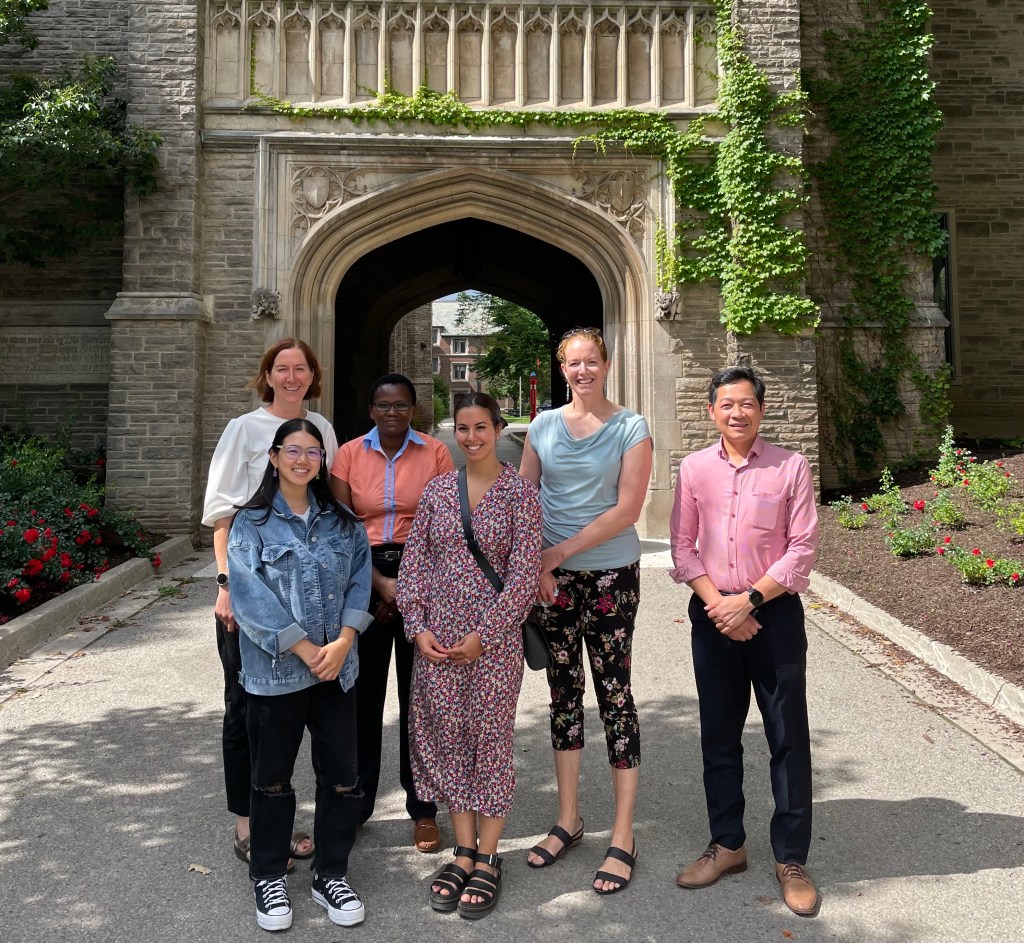
From left to right, back: Natalie Carter, Florence Mutua, Gita Ljubicic, Hung Nguyen.
From left to right, front: Faith Rahman, Alexis Polidoro.
Missing: Regena Sinclair, Kraig Matthews.
All photos by: Natalie Carter unless otherwise stated
On July 13 2023, research scientists at McMaster University (Natalie Carter and Gita Ljubicic) and the International Livestock Research Institute (ILRI; Florence Mutua and Hung Nguyen) gathered to (re)connect, exchange knowledge about north-south (Canadian Arctic, East Africa, Asia) research experiences, and explore opportunities for collaboration. This day-long meeting was hosted at McMaster University in Hamilton, Ontario, Canada by the StraightUpNorth (SUN) team in the School of Earth, Environment and Society. Our aim was to share experiences of diverse One Health and Indigenous research contexts. We began with a campus tour, guided by SUN Team PhD student Alexis Polidoro, then shared extensive introductions that included an overview of research context/background, followed by an outdoor patio lunch on campus.
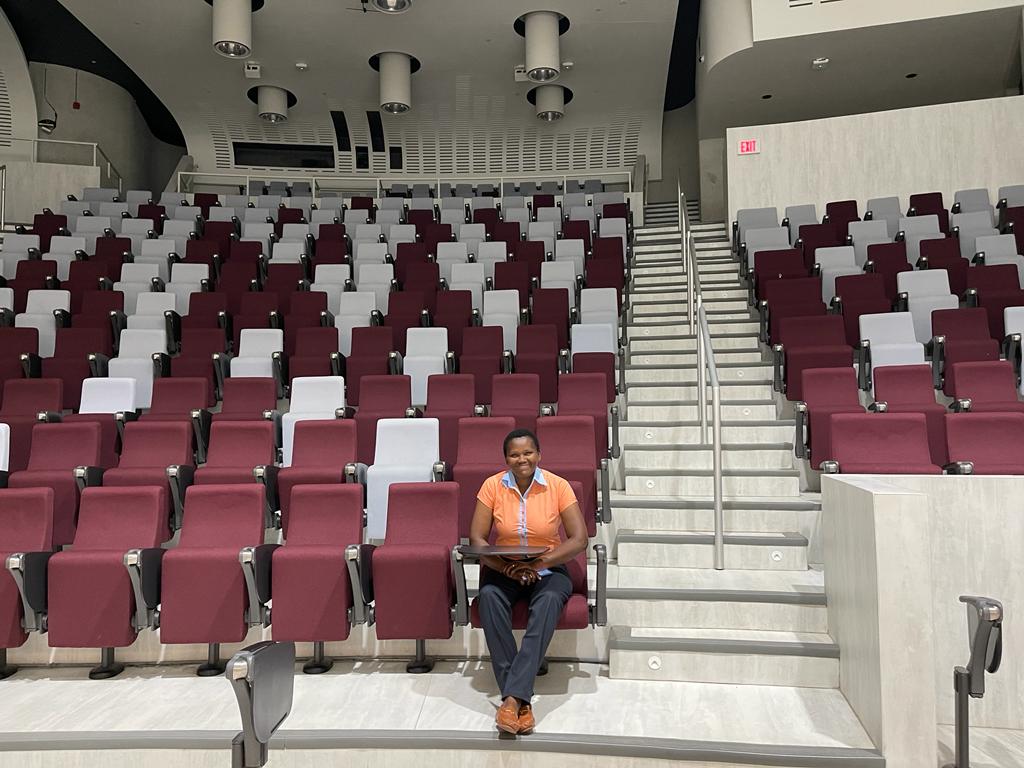
In the afternoon, a group of SUN Team graduate students joined the meeting (in person and virtually), introducing themselves and describing their research foci. ILRI scientist Dr. Hung Nguyen illustrated several key One Health initiatives that are led by ILRI. Then, ILRI scientist Dr. Florence Mutua provided examples from collaborative efforts she has contributed to as part of her One Health research in Kenya. She spoke about the importance of meaningful engagement with local communities, formal and informal research protocols, and described challenges that arise when working in remote, under-resourced areas, as well as opportunities for conducting “successful” research. The group quickly recognized numerous synergies, shared experiences, challenges, and opportunities between ILRI and SUN Team experiences and approaches in tropical and Arctic regions, respectively. These regions share some similarities such as their remoteness, experiences of socioeconomic inequalities, dependence on and close connection with the natural environment, and the impact of climate change on livelihoods and cultural practices. The residents of these regions are holders of rich local and Indigenous knowledge, skills, and practices, and are increasingly articulating their own research priorities. In both regions, there is an evolving research paradigm shift wherein Indigenous knowledge holders and practitioners skilled in the tools/methods of western science, are working collaboratively to address research priorities and act upon research outcomes. We highlight below, a few of our reflections on conducting collaborative research in tropical and Arctic regions.
Meaningful engagement with local communities
We noted that both teams emphasize the importance of engaging community organizations and/or community researchers in all stages of research, from proposal writing through to knowledge mobilization. “I found it interesting, how both ILRI and SUN Team researchers emphasized the critical role of partnerships in accessing and sustaining funding to address community research priorities” noted Natalie Carter. Meaningful engagement not only catalyzes implementation of the project, it supports sustainability of initiatives and creates important opportunities for reciprocal learning. For instance, academic team members can provide community members with opportunities to enhance their familiarity and skill with research methods. At the same time, community members can provide opportunities for academic team members to learn about cultural and ethical protocols, community context both past and current, and culturally appropriate communications and study design. In this way, communities can be further empowered to define their own priorities and develop strategies that lead to local benefits, while academics can gain a deeper understanding of how best to conduct research in and with community partners.
Formal and informal research processes
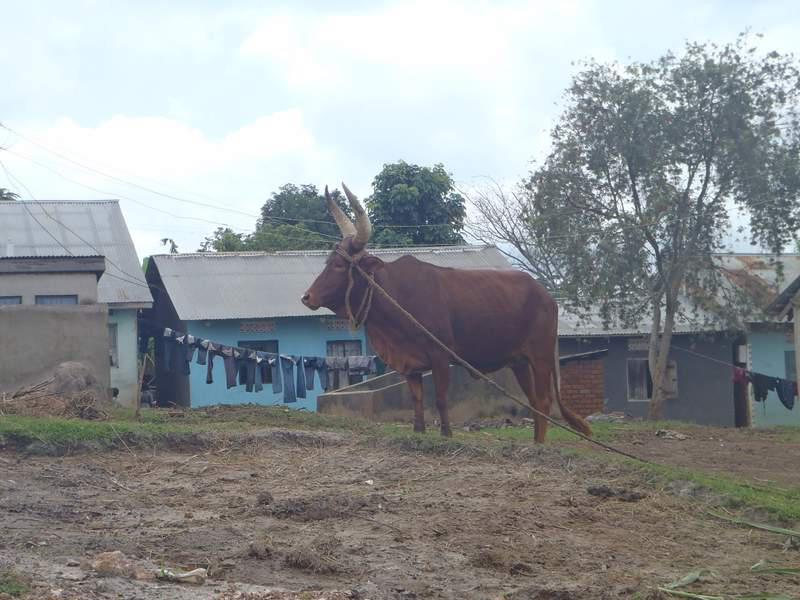
We also noted several similarities regarding securing approvals/clearance to conduct research. In many countries in East Africa, the usual process is to submit an application at one`s home institution, as well as to the national bodies mandated to issue the approvals. Submissions are mostly done online, and the time it takes to review a submission mostly depends on timing of the review board. As an example, in Kenya, research permits are issued by the National Commission for Science, Technology, and Innovation (NACOSTI), at a fee that is variable . Depending on the nature of the study, additional approvals may be needed at the county and lower levels of governance. Approval is usually granted for one year, renewable as needed.
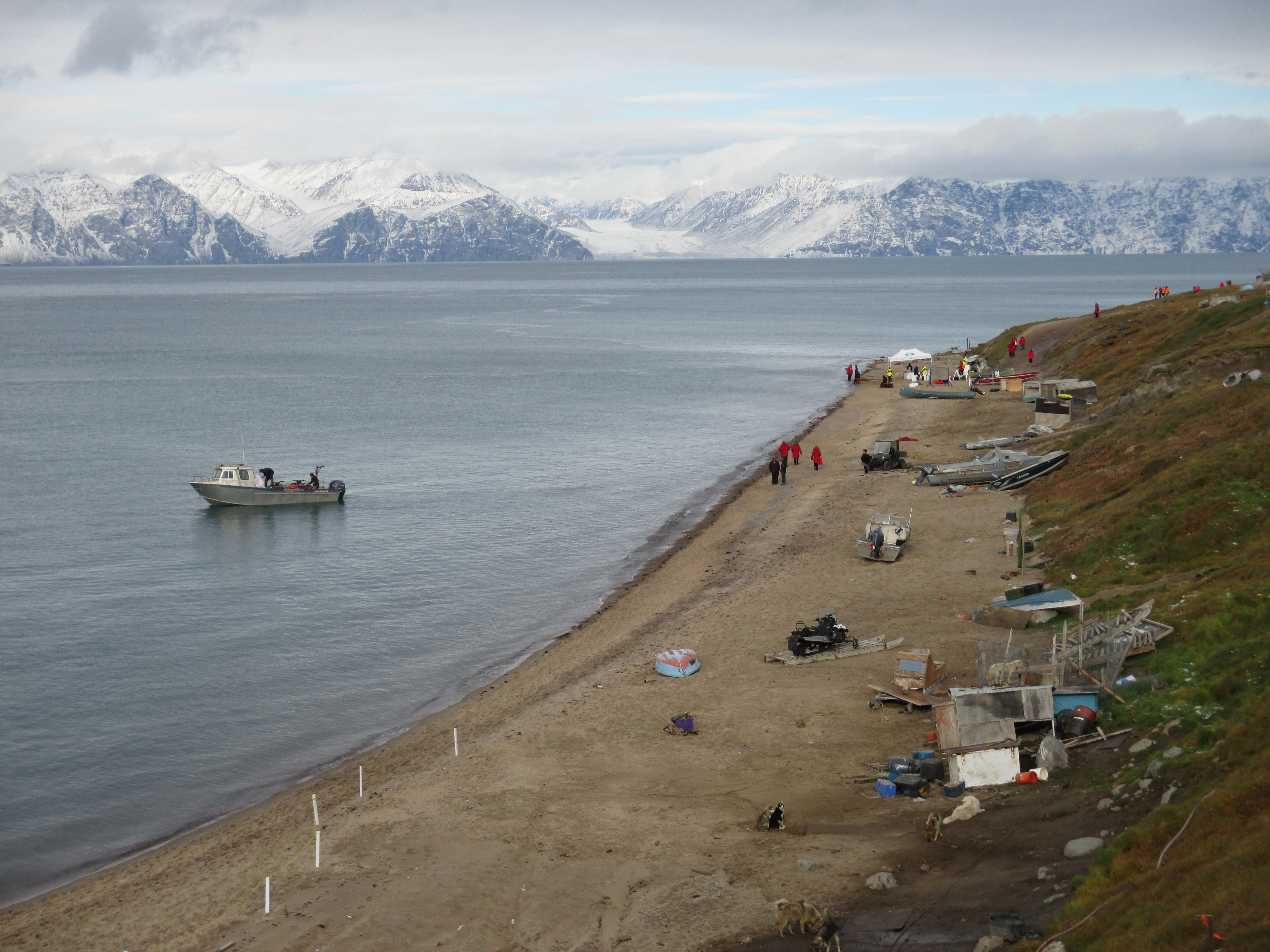
In Canada, and in particular, the territory of Nunavut, the process is similar to that in East Africa. Ethics applications must be submitted to the research ethics board of each university involved, and a scientific research license application must be submitted to the Nunavut Research Institute. There are also other permitting requirements depending on if research involves wildlife, archeology, parks, migratory birds, or sampling of land or water. All must be approved before the research can commence. In some regions of Inuit Nunangat (Inuit homelands in the Canadian Arctic), there are nominal associated fees.
It is also vital that visiting researchers work with community partners and together raise awareness about the research locally, before the research begins. This may include formal or informal meetings, in person or by phone or video conferencing, with representatives from local organizations. In Kenya this may involve the local assistant chief, district veterinary office, and village Elders, while in Nunavut this may involve the Hamlet (municipal) council, Hunters and Trappers Association, Elders group, and local research organization, as examples. Raising awareness and following these informal research protocols, affords community members an opportunity to think and talk about the topic, as well ask questions and provide feedback on the project, before deciding to get involved. “Universally, trust is the foundation for the uptake of ANY new initiative” Dr. Nguyen observed.
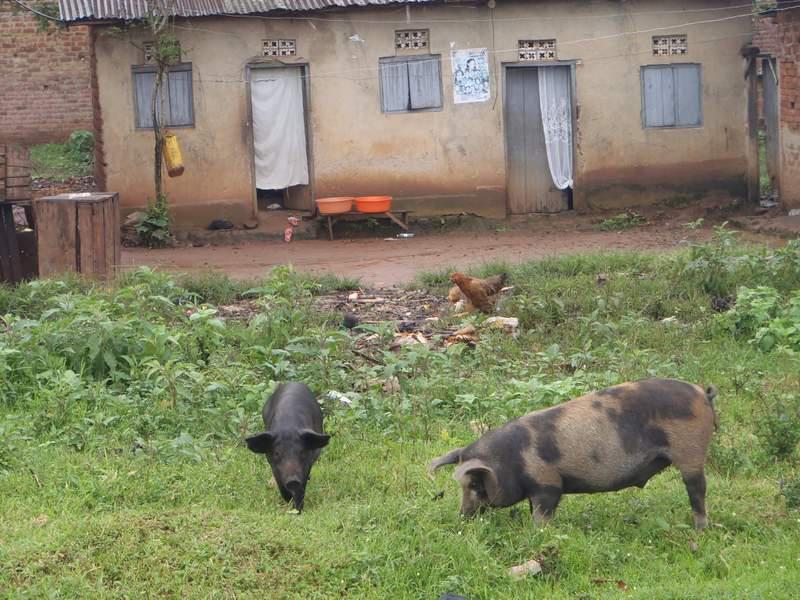
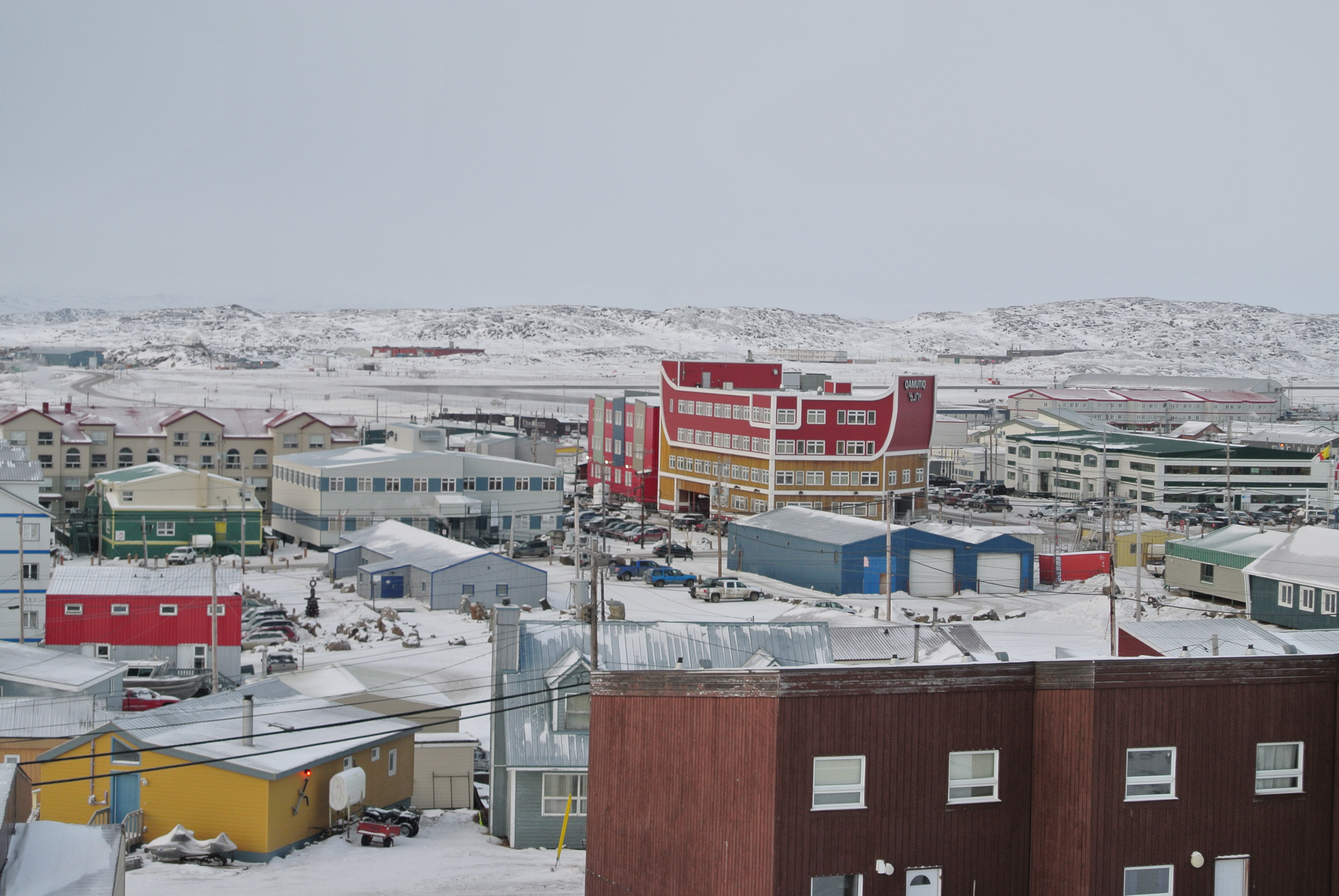
Right photo: Alison Perrin
Challenges
During our discussions we identified a few challenges that researchers experience while implementing projects. Although experienced in different contexts, there were some common challenges. Road systems are particularly a problem in East Africa, especially for activities involving travel to remote areas. The roads become impassable during the rainy seasons. This has implications on cost (due to associated delays), time, and quality of biological samples (related to livestock research) when coupled with limited and/or unreliable electricity (for instance if samples may require refrigeration). There are no roads into communities in Nunavut. For visiting researchers, communities are accessible only by air (or ship during about two months of the year when the Arctic Ocean is not frozen). Inclement and extreme weather (fog, blizzard, high winds) also has implications on cost as flights and meetings are often delayed or cancelled in such conditions.
We shared experiences related to working in a range of languages and the need for skilled translation and interpretation to ensure team members and participants can communicate with one another in the language of their choice. Dr. Mutua noted that in Kenya, for some areas, personal safety can be a concern, whereas SUN Team members did not express a similar concern.
We also discussed instances where communities have shared their frustrations with us about times when multiple teams are researching the same (or similar) topic, and when not coordinated, this can result in duplication (additional burden) of community members’ energy and time. Dr. Mutua suggested that perhaps local offices could be empowered to keep a database of past research work, which researchers can consult before proposing to undertake new studies, in the same areas. The SUN Team is collaborating on a project focusing on making research work for Nunavummiut (people of Nunavut), and already working to identify factors contributing to research fatigue. They are also working with the Nunavut Research Institute to make research licensing information publicly available, as well as developing new reporting and communication tools to improve the accessibility of research results.
Opportunities for success
Our conversation about increasing the likelihood of success when conducting research centered around: 1) developing partnerships with relevant/appropriate organizations; 2) safe and efficient travel; 3) following local/cultural protocols including raising awareness; 4) opportunities for reciprocal learning; and 5) being prepared. We collectively shared some lessons learned through experience, such as:
- Arranging travel logistics in advance (budget, vehicle, accommodation);
- Having formal research protocols in place;
- Making sure local partners/organizations/government officials etc. are aware of the upcoming research visits and are supportive of the proposed/planned research activities;
- Ensuring the research tool (e.g. a questionnaire or interview guide), is ready and in available in an appropriate format (e.g. translated, digital on a mobile platform, hard copy, etc.);
- Being prepared for sample collection, preparation, storage, etc. (in the case of livestock/veterinary research);
- Identifying/training/hiring local research assistants/enumerators who speak the local language; and,
- Working with a community official, partner organizations, or local researcher(s) who may become part of the research team.
“We recognized in each other’s work how risk assessment, management, and communication are highly interconnected” Dr. Mutua, noted. And “Where we really connected is our shared interest in methodologies. There is so much to learn from those working in community partnerships in various parts of the world” added Gita Ljubicic.
We offer our reflections and lessons learned in order to contribute to ongoing discussions about conducting ethical research using One Health and Indigenous research frameworks. We hope this conversation was the first of many that may inspire future ILRI-McMaster-community partnerships.
About ILRI
ILRI is a CGIAR research centre; the only CGIAR centre dedicated entirely to animal agriculture research for the developing world. ILRI is co-hosted by Kenya and Ethiopia and has regional or country offices in 14 other locations in Africa, as well as South and South-East Asia. ILRI’s mission is to improve food and nutritional security and to reduce poverty in developing countries through research for efficient, safe, and sustainable use of livestock, ensuring better lives through livestock.
About StraightUpNorth (SUN) research team
The SUN Team is an interdisciplinary research group working to address northern community priorities, dedicated to learning from Indigenous knowledge and supporting Indigenous self-determination in research. This cross-cultural research team is guided by northern community partners and protocols throughout all stages of a project. SUN Team research aims to enhance societal and ecological well-being in ways that advance our understandings of human-environment interactions, benefit community partners, and contribute to policy and decision-making.
 StraightUpNorth.ca